In today’s fast-paced construction and industrial environment, having the right equipment at the right time can make the difference between meeting a deadline and falling behind schedule. Elevated access equipment has become essential for a wide range of industries, from commercial construction and warehouse management to facility maintenance and event setup. Among the most practical and widely used pieces of access equipment is the scissor lift. Choosing a scissor lift rental instead of purchasing equipment outright can provide flexibility, cost efficiency, and operational advantages that benefit both small contractors and large organizations.
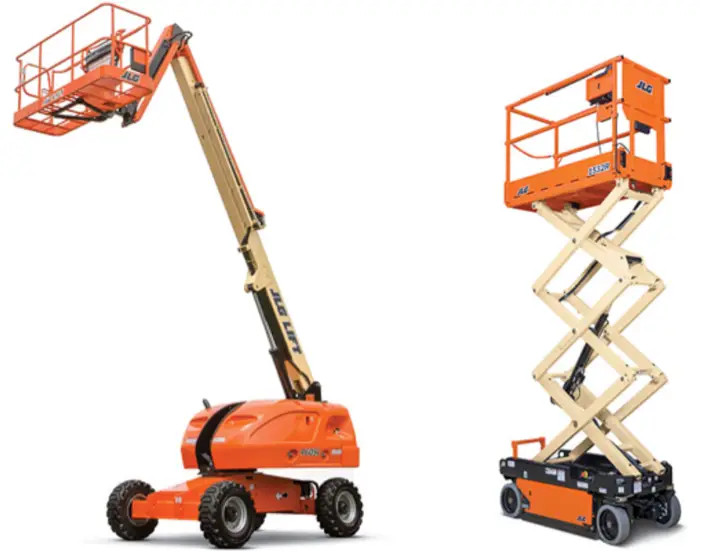
A scissor lift is a type of aerial work platform designed to move workers vertically to reach overhead areas safely and efficiently. Its crisscrossing metal supports extend upward to provide a stable work platform capable of handling personnel, tools, and materials. Unlike boom lifts, which extend outward as well as upward, scissor lifts are primarily vertical access machines. This makes them ideal for tasks that require stable elevation directly above the base position. From electrical installations and ceiling repairs to shelving installation and painting, scissor lifts are a common sight on job sites of all sizes.
Why Businesses Choose Scissor Lift Rental Over Ownership
Purchasing heavy equipment requires a significant capital investment, and not every project justifies that expense. One of the most compelling reasons companies choose scissor lift rental is financial flexibility. Renting allows businesses to allocate capital to other critical areas such as labor, materials, and project expansion rather than tying up funds in machinery that may sit idle between jobs.
Beyond the initial purchase price, equipment ownership involves ongoing maintenance, inspections, storage, transportation, and insurance costs. These expenses add up quickly and can strain budgets, particularly for small and mid-sized contractors. A scissor lift rental shifts many of these responsibilities to the rental provider, simplifying fleet management and reducing administrative burdens. Companies can access well-maintained, up-to-date equipment without worrying about long-term upkeep or depreciation.
Another advantage is scalability. Project requirements often change based on scope, duration, and site conditions. Renting gives businesses the flexibility to choose different lift heights, platform capacities, and power sources depending on the job. When the project ends, the equipment can be returned without concern for storage or resale. Partnering with a trusted provider like Tri-Lift Industries, Inc ensures access to a variety of machines suitable for any project scale.
Types of Scissor Lifts Available for Rent
Understanding the different types of scissor lifts can help businesses select the most suitable equipment for their needs. Electric scissor lifts are commonly used for indoor applications because they produce zero emissions and operate quietly. They are ideal for warehouses, retail stores, schools, and hospitals where air quality and noise levels are important considerations.
Rough-terrain scissor lifts are designed for outdoor construction sites with uneven ground conditions. These models feature reinforced tires, higher ground clearance, and enhanced stability systems to handle challenging terrain. For projects that involve exterior building work, steel erection, or large-scale installations, rough-terrain lifts provide durability and reliability.
There are also hybrid and diesel-powered models that offer increased lifting capacity and extended runtime. The choice depends on factors such as surface conditions, required working height, weight capacity, and available power sources on site. Experienced providers such as Tri-Lift Industries, Inc can guide businesses in selecting equipment tailored to specific operational requirements.
Key Benefits of Scissor Lift Rental
One of the primary benefits of scissor lift rental is enhanced safety. Modern lifts are equipped with guardrails, emergency stop functions, non-slip platforms, and advanced stabilization systems. Rental providers typically maintain strict inspection and servicing schedules to ensure equipment meets industry safety standards. This reduces the risk of mechanical failure and enhances job site safety.
Efficiency is another major advantage. Scissor lifts enable workers to reach elevated areas quickly without the repeated setup required for ladders or scaffolding. The spacious platform allows room for tools and materials, reducing the need to climb up and down repeatedly. This improved workflow can significantly increase productivity and reduce labor fatigue.
Flexibility also plays a crucial role. Projects vary widely in height requirements and space constraints. With scissor lift rental, businesses can choose compact models for tight indoor spaces or higher-reaching models for exterior construction. This adaptability allows contractors to respond quickly to changing project demands without investing in multiple machines.
Industries That Rely on Scissor Lift Rental
Scissor lifts are used across a diverse range of industries. In commercial construction, they assist with framing, drywall installation, electrical wiring, HVAC ductwork, and fire suppression systems. In industrial facilities, they support equipment maintenance, lighting upgrades, and overhead repairs. Warehousing operations use lifts for inventory management, shelving installation, and facility cleaning.
Event production companies rely on elevated platforms for lighting and sound rigging, stage setup, and banner installation. Retail stores use them for signage updates and seasonal displays. Even property management companies utilize scissor lifts for routine building maintenance and exterior repairs. The broad applicability of this equipment makes scissor lift rental a practical solution for both short-term projects and recurring maintenance tasks.
Factors to Consider Before Renting
Before committing to a scissor lift rental, it is important to evaluate specific project requirements. Working height is one of the most critical factors. Businesses should calculate the maximum height needed and choose a lift that provides adequate reach with a safety margin. Platform capacity is equally important, as exceeding weight limits can compromise stability and safety.
Site conditions should also be assessed carefully. Indoor environments with smooth floors may require electric models, while outdoor job sites with uneven surfaces demand rough-terrain capabilities. Access points, door widths, and ceiling heights must be considered to ensure the lift can be maneuvered into position.
Rental duration is another important factor. Short-term rentals are ideal for quick projects, while longer-term agreements may offer cost savings for extended construction schedules. Consulting with experienced providers such as Tri-Lift Industries, Inc ensures that equipment specifications align with operational needs, helping to prevent costly delays or safety concerns.
Safety and Training Considerations
Operating a scissor lift requires proper training and adherence to safety protocols. Employers are responsible for ensuring that operators understand how to control the equipment, recognize potential hazards, and perform basic inspections. Pre-operation checks typically include examining guardrails, verifying hydraulic systems, testing emergency controls, and ensuring that tires or outriggers are in proper condition.
Fall protection measures, safe loading practices, and awareness of overhead obstacles are essential components of safe operation. Weather conditions can also impact performance, particularly for outdoor lifts. High winds and unstable ground conditions can pose risks if not properly managed. Many rental providers offer guidance on safe usage and may even provide operator training resources to support compliance with workplace safety standards.
Cost Efficiency and Budget Planning
Cost management is a priority for any project manager. Scissor lift rental offers predictable expenses without the hidden costs associated with ownership. Rental agreements typically include maintenance and servicing, which simplifies budgeting and reduces unexpected repair bills. Businesses can select daily, weekly, or monthly rental terms based on project timelines.
In addition to avoiding capital expenditure, renting eliminates the need for long-term storage solutions. Heavy equipment requires secure storage space and transportation logistics. By returning the lift once the project is complete, companies avoid these additional overhead costs. For organizations seeking to streamline operations while maintaining access to reliable equipment, partnering with providers like Tri-Lift Industries, Inc can offer both economic and operational benefits.
Environmental and Technological Advancements
The equipment industry continues to evolve with advancements in technology and environmental performance. Electric scissor lifts have become increasingly popular due to their energy efficiency and reduced environmental impact. Improved battery systems provide longer runtime and faster charging capabilities, supporting productivity while minimizing emissions.
Modern lifts also feature enhanced control systems, onboard diagnostics, and smart monitoring capabilities. These innovations improve reliability and allow operators to detect potential issues early. Choosing scissor lift rental gives businesses access to the latest models without the need to continuously invest in upgrades. This ensures that projects benefit from current technology while maintaining cost efficiency.
Choosing the Right Rental Partner
Selecting a reputable rental provider is as important as choosing the right equipment. A reliable partner should offer well-maintained machines, transparent rental terms, responsive customer support, and a wide selection of lift models. Clear communication regarding delivery, pickup, and technical assistance helps ensure smooth project execution.
Experience in the material handling and access equipment industry can make a significant difference in service quality. Providers who understand diverse industry needs are better equipped to recommend appropriate solutions. Working with an established company such as Tri-Lift Industries, Inc provides confidence that equipment will meet safety standards and performance expectations.
Maximizing Productivity with the Right Equipment Strategy
A well-planned equipment strategy enhances workflow efficiency and worker safety. By integrating scissor lift rental into project planning, managers can align equipment availability with construction phases. This prevents downtime caused by waiting for machinery and reduces congestion created by inappropriate access methods.
Proper scheduling also ensures that lifts are used optimally throughout the rental period. Coordinating tasks that require elevation access can minimize idle time and maximize return on investment. Clear communication between project supervisors and equipment providers further supports seamless operations.
In competitive industries where timelines are tight and margins are closely monitored, strategic equipment decisions play a critical role in overall success. Scissor lift rental offers a balanced approach that combines flexibility, safety, and financial efficiency.
Conclusion
Elevated work demands reliable, safe, and efficient solutions. Whether for construction, maintenance, warehousing, or event production, scissor lifts provide the vertical access necessary to complete tasks effectively. Choosing scissor lift rental allows businesses to access modern equipment without the financial burden and logistical complexity of ownership. From improved safety features and operational flexibility to cost savings and technological advancements, renting offers advantages that align with today’s dynamic project environments.
By carefully assessing project requirements, prioritizing operator training, and partnering with experienced providers like Tri-Lift Industries, Inc companies can ensure that their elevated work operations are both productive and secure. As industries continue to evolve and demand greater efficiency, the strategic use of rental equipment remains a smart and practical choice for organizations seeking reliable access solutions.