Exterior painting is one of the most effective ways to enhance the appearance, value, and durability of a home or building. The exterior of a property is constantly exposed to harsh weather conditions, including sun, rain, wind, and temperature fluctuations, which can cause surfaces to fade, peel, or deteriorate over time. Whether your goal is to improve curb appeal, update the color scheme, or protect surfaces from environmental damage, exterior painting provides both aesthetic and functional benefits. Understanding the proper preparation, material selection, techniques, and maintenance is essential for achieving a professional, long-lasting finish.
Why Exterior Painting is Important
Exterior painting is more than just a cosmetic upgrade; it is a critical component of home maintenance. Painted surfaces act as a protective barrier against moisture, UV rays, and pollutants, reducing the risk of rot, corrosion, and structural damage. Without proper painting, wood, stucco, or metal surfaces can become vulnerable to decay, mold, and mildew, which can compromise the integrity of a building over time. Furthermore, a fresh coat of paint can significantly enhance curb appeal, giving the property a modern, well-maintained appearance that attracts buyers or improves neighborhood aesthetics.
In addition to protecting surfaces and enhancing appearance, exterior painting can increase property value. Homes with well-maintained exteriors are more appealing to prospective buyers, and high-quality paint work can signal that the property has been properly cared for. Selecting the right paint and employing professional techniques ensures that the finish remains vibrant, durable, and resistant to the elements for many years, making exterior painting a worthwhile investment for homeowners and property managers alike.
Preparing Surfaces for Exterior Painting
Proper preparation is a critical step in achieving a professional and long-lasting exterior paint finish. The first step involves cleaning the surfaces to remove dirt, grease, mold, mildew, and loose paint. Power washing is commonly used to achieve thorough cleaning, particularly for large surfaces such as siding, brick, or stucco. After cleaning, surfaces must be inspected for damage, such as cracks, holes, or rotting wood, which should be repaired before painting. This may involve caulking gaps, patching stucco, or replacing damaged sections of siding or trim.
Sanding and scraping old, peeling paint ensures a smooth surface and promotes proper adhesion of the new paint. For surfaces with extensive peeling or uneven layers, using a primer is essential to create a uniform base and improve durability. In some cases, stain-blocking primers are necessary to prevent wood tannins, rust, or water stains from bleeding through the new paint. Proper preparation, including cleaning, repairing, sanding, and priming, lays the foundation for a finish that is both visually appealing and long-lasting.
Choosing the Right Paint for Exterior Surfaces
Selecting the appropriate paint is crucial for achieving a durable and professional exterior finish. Exterior surfaces are exposed to extreme conditions, so the paint must withstand sun, rain, temperature fluctuations, and environmental pollutants. Acrylic latex paints are popular for exterior use due to their flexibility, UV resistance, and ability to adhere to a variety of surfaces, including wood, stucco, and fiber cement. Oil-based paints are also used in some cases, offering a hard, durable finish, but they require longer drying times and more intensive cleanup.
The finish of the paint is equally important. Satin or semi-gloss finishes are often preferred for exterior surfaces, as they provide a slight sheen, are easier to clean, and resist mildew better than flat finishes. Color selection should consider architectural style, neighborhood aesthetics, and climate, as lighter colors tend to reflect heat, while darker shades may fade more quickly under intense sunlight. Investing in high-quality paints specifically formulated for exterior use ensures a long-lasting finish that maintains color and integrity over time.
Techniques for Professional Exterior Painting
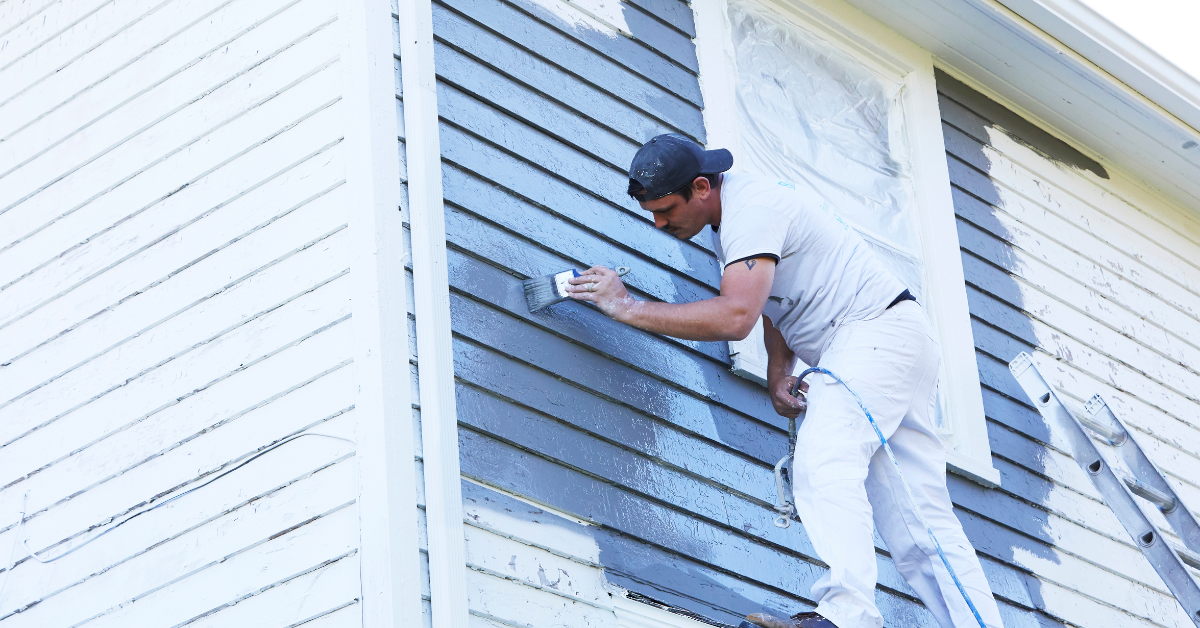
Proper painting techniques significantly impact the quality and longevity of an exterior paint job. Many professionals combine brushing, rolling, and spraying to achieve consistent coverage and smooth finishes. Brushes are ideal for trim, corners, and detailed areas, while rollers cover large flat surfaces efficiently. Spray painting can be used for siding or textured surfaces, providing an even coat and reducing brush marks, though it requires careful masking of windows, doors, and landscaping to prevent overspray.
Applying multiple thin coats rather than a single thick layer ensures better adhesion, minimizes drips, and allows the paint to cure properly. Between coats, light sanding or spot priming may be necessary to smooth imperfections and reinforce adhesion. Attention to weather conditions is critical, as painting should be avoided in extreme heat, high humidity, or during rain, which can affect drying times and the integrity of the finish. By following proper techniques and environmental precautions, exterior painting can result in a finish that is both beautiful and resilient.
Protecting and Maintaining Painted Surfaces
After completing exterior painting, ongoing maintenance is essential to preserve the appearance and durability of the finish. Regular cleaning to remove dirt, pollen, and mildew helps prevent buildup that can compromise the paint. Inspecting for cracks, peeling, or fading allows timely touch-ups before minor issues develop into extensive damage. Applying a protective sealant to wood or metal surfaces may further enhance durability, particularly in areas exposed to moisture or harsh sunlight.
Proper maintenance extends the life of the paint and reduces the frequency and cost of repainting. Additionally, maintaining painted surfaces preserves the aesthetic appeal and value of the property, ensuring that the exterior continues to make a strong visual impression. Homeowners and property managers who invest in regular upkeep can enjoy the benefits of their exterior painting efforts for many years.
Common Mistakes to Avoid in Exterior Painting
Even with high-quality materials and preparation, common mistakes can compromise the results of exterior painting. Inadequate surface cleaning, failing to repair damaged areas, skipping primer, and applying paint in unsuitable weather conditions can all lead to peeling, cracking, or uneven coverage. Using low-quality paint or incorrect tools may reduce durability, while improper masking can result in unintended paint marks on windows, doors, or landscaping. By understanding and avoiding these mistakes, homeowners and professionals can achieve a smooth, long-lasting finish that enhances both protection and appearance.
DIY vs. Professional Exterior Painting
Exterior painting can be approached as a DIY project or handled by professionals, depending on experience, equipment, and the scale of the project. DIY painting offers cost savings and personal satisfaction, but it requires careful preparation, quality tools, and an understanding of proper techniques. Large surfaces, high elevations, or complex architectural details often benefit from professional services, which provide expertise, efficiency, and advanced tools such as spray systems. Professionals can also advise on color selection, paint types, and weather considerations, ensuring a finish that is both durable and visually appealing.
Benefits of Exterior Painting Beyond Aesthetics
While the visual impact of exterior painting is immediately noticeable, the benefits extend beyond aesthetics. Painted surfaces act as a protective barrier against moisture, UV rays, and environmental contaminants, reducing the risk of structural damage, rot, or corrosion. Fresh paint also makes cleaning easier, preventing dirt and mildew from penetrating the surface. Additionally, well-maintained exteriors enhance property value and contribute to the overall impression of care and attention to detail, which is particularly important for homes being sold or rented. These functional and aesthetic advantages make exterior painting a smart investment for any property.
Conclusion
Exterior painting is an essential component of home maintenance and improvement, combining aesthetic enhancement with protection against environmental damage. By understanding the preparation process, selecting high-quality paints, applying professional techniques, and maintaining painted surfaces, homeowners and property managers can achieve a durable, visually appealing finish. Whether undertaken as a DIY project or performed by professionals, exterior painting offers a cost-effective solution for improving curb appeal, extending the life of surfaces, and increasing property value. With careful planning and attention to detail, exterior painting can transform a property’s appearance while providing lasting protection against the elements, making it a vital investment in both beauty and durability.