Whether you’re patching up a leaky pipe, weatherproofing a window, or protecting an industrial machine from the elements, one thing is universally true: a poor seal causes problems. Moisture creeps in. Air escapes. Machinery wears down faster than it should. The cost of getting it wrong—in repairs, downtime, and wasted energy—adds up quickly.
Superior sealing is the practice of applying the right materials, techniques, and standards to create a seal that holds. Not just for now, but long-term. This post breaks down what superior sealing actually means, where it applies, and how to get it right.
What Does “Superior Sealing” Mean?
The word “superior” gets thrown around a lot in product marketing, but in the context of sealing, it has a practical definition. A superior seal is one that:
- Withstands the conditions it’s exposed to — heat, pressure, chemicals, UV exposure, and moisture
- Maintains integrity over time — it doesn’t crack, shrink, or degrade prematurely
- Fits the application precisely — the right material and method for the specific job
A sealant that performs well on a bathroom tile grout line won’t necessarily hold up inside an industrial pump. Superior sealing is context-dependent, which is why understanding your application is the first step.
Common Applications of Superior Sealing
Sealing is relevant across dozens of industries and settings. Here are some of the most common:
Construction and Building Envelope
In construction, sealing is critical to a building’s energy efficiency and structural integrity. Gaps around windows, doors, roofing, and foundations allow air and moisture infiltration, which leads to mold, rot, higher energy bills, and long-term structural damage.
High-performance sealants in this context need to handle thermal expansion and contraction, remain flexible, and bond well to a range of substrates like concrete, glass, aluminum, and timber.
Plumbing and Pipe Systems
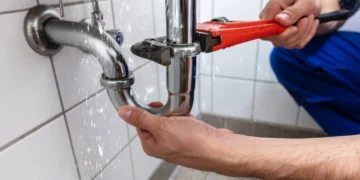
Pipe joints and fittings are common failure points in both residential and commercial plumbing. Thread sealants, PTFE tape, and anaerobic compounds are used to prevent leaks at connection points. The challenge here is creating a seal that can handle water pressure, temperature fluctuations, and—in some cases—contact with chemicals or gases.
Automotive and Aerospace
Vehicles and aircraft demand sealing solutions that perform under extreme conditions. Gaskets, O-rings, and formed-in-place sealants protect engines from oil and coolant leaks, prevent cabin pressure loss, and shield sensitive components from vibration and thermal stress.
In aerospace, especially, the margin for error is essentially zero. A failed seal in a fuel line or pressurized cabin is a serious safety risk, which is why material selection and application standards are tightly controlled.
Electronics and Enclosures
Moisture is one of the biggest threats to electronics. Conformal coatings, potting compounds, and gasket seals protect circuit boards and components from humidity, dust, and contaminants. IP ratings (like IP67 or IP68) are a standardized way of measuring how well an enclosure is sealed against solid particles and water.
Industrial Machinery
Heavy machinery operates in demanding environments—high temperatures, aggressive chemicals, and constant movement. Seals in pumps, valves, compressors, and hydraulic systems need to prevent leakage and withstand wear over extended operational cycles.
Key Factors in Achieving Superior Sealing
Getting a seal right comes down to a few fundamental factors. Shortcuts in any of these areas tend to lead to failures.
Material Selection
Not all sealants are created equal. The main categories include:
- Silicone sealants — flexible, heat-resistant, and ideal for wet areas like bathrooms and kitchens
- Polyurethane sealants — strong adhesion, good for construction joints and surfaces that require paintability
- Epoxy sealants — high-strength, chemical-resistant, suited for industrial and structural applications
- Acrylic sealants — cost-effective, paintable, best for interior use in low-movement joints
- Anaerobic sealants — cure in the absence of air, commonly used for thread sealing and flange applications
Matching the sealant to the substrate, environment, and movement requirements is non-negotiable for a lasting seal.
Surface Preparation
Even the best sealant will fail on a poorly prepared surface. Surfaces need to be:
- Clean and free of dust, grease, and old sealant
- Dry (unless using a sealant specifically rated for wet conditions)
- Primed where required—some sealants need a primer to achieve adequate adhesion
Skipping surface prep is one of the most common reasons seals fail prematurely.
Application Technique
Application matters more than most people realize. Key considerations include:
- Joint dimensions — too narrow a joint limits movement accommodation; too wide, and the sealant may sag or cure poorly
- Tooling — smoothing the sealant into the joint ensures full contact and eliminates air pockets
- Cure time — allowing adequate cure time before exposing the seal to load or movement is essential
Many manufacturers provide application guides specific to their products. Following them closely pays off.
Ongoing Maintenance and Inspection
Even high-quality seals have a service life. UV exposure, thermal cycling, mechanical stress, and chemical exposure all contribute to degradation over time. Routine inspection schedules help identify early signs of failure—cracking, discoloration, loss of adhesion—before they become costly problems.
For critical applications, especially in industrial or infrastructure settings, scheduled resealing should be part of a broader preventive maintenance plan.
How to Choose the Right Sealing Solution
With so many products on the market, narrowing down the right choice can feel overwhelming. A straightforward decision framework:
- Define the environment — What temperatures, chemicals, and pressures will the seal face?
- Identify the substrates — What materials are being sealed together?
- Assess the movement — Will the joint experience expansion, contraction, or vibration?
- Check compliance requirements — Does the application require certifications (e.g., food-grade, fire-rated, or pressure-rated)?
- Consider longevity vs. cost — A cheaper sealant that needs replacing every two years may cost more in the long run than a premium product with a 10-year service life.
When in doubt, consult a technical data sheet or reach out to the manufacturer directly. Most reputable sealing product suppliers offer technical support to help specifiers and contractors make the right call.
Get Your Sealing Right the First Time
Superior sealing isn’t about using the most expensive product on the shelf—it’s about matching the right solution to the right application, preparing properly, and applying with care. The difference between an adequate seal and a superior one often comes down to the details.
Failures are rarely dramatic at first. They start small: a faint water stain, a slight pressure drop, a trace of oil on a clean floor. Left unchecked, small sealing failures escalate. Addressing them at the specification and installation stage is always more cost-effective than remediation after the fact.
If you’re working on a project where sealing performance is critical, take the time to research your options thoroughly—or consult a specialist who can guide you toward the best solution for your needs.