After months of winter or off-season closure, a swimming pool requires careful preparation to ensure it is safe, clean, and fully functional for use. Pool opening is the process of transitioning a pool from its dormant state to a ready-to-swim condition. This process goes far beyond simply removing a cover; it involves water treatment, equipment inspection, debris removal, chemical balancing, and preventive maintenance. Proper pool opening not only guarantees a safe swimming environment but also extends the life of the pool’s surfaces, systems, and equipment. Understanding the importance of pool opening, the steps involved, and best practices allows homeowners to maximize safety, efficiency, and enjoyment throughout the swimming season.
What is Pool Opening?
Pool opening refers to the series of maintenance tasks performed at the beginning of a swimming season to prepare a pool for use after months of inactivity. Pools that are covered or shut down during the winter require more than just cleaning; stagnant water, accumulated debris, and inactive equipment must be addressed to restore safe and enjoyable swimming conditions. The process typically includes removing covers, cleaning the pool and surrounding areas, testing and balancing water chemistry, inspecting and servicing pumps, filters, heaters, and other equipment, and ensuring that all safety features are operational. Professional pool opening services provide comprehensive care, but homeowners who prefer DIY approaches must follow a detailed sequence to prevent costly mistakes and maintain water quality.
The Importance of Proper Pool Opening
Opening a pool correctly is essential for multiple reasons, including health, safety, and the longevity of the pool. Stagnant water that has not been treated over several months can become a breeding ground for bacteria, algae, and other harmful microorganisms. Debris accumulated under pool covers or blown into the water can clog filters, damage pumps, and create unsafe swimming conditions. Equipment left inactive may suffer from corrosion, freezing damage, or mechanical failure if not properly inspected and maintained. By conducting a thorough pool opening, homeowners or professional technicians can prevent these issues, restore water clarity, ensure chemical balance, and confirm that all systems function optimally. A properly opened pool sets the foundation for a safe, enjoyable swimming season and reduces the likelihood of mid-season problems.
Steps Involved in Pool Opening
Pool opening is a multi-step process that ensures the pool is fully prepared for use. While professional services may handle all aspects, homeowners can also follow the process with careful attention to detail.
1. Removing the Pool Cover
The first step is safely removing the pool cover. Covers often collect leaves, dirt, and water over the winter months, which must be carefully removed to prevent debris from falling into the pool. Some pool covers require pumps to remove standing water, while others can be lifted and folded manually. Cleaning the cover before storing it ensures that it remains in good condition for the next season.
2. Cleaning the Pool and Surrounding Area
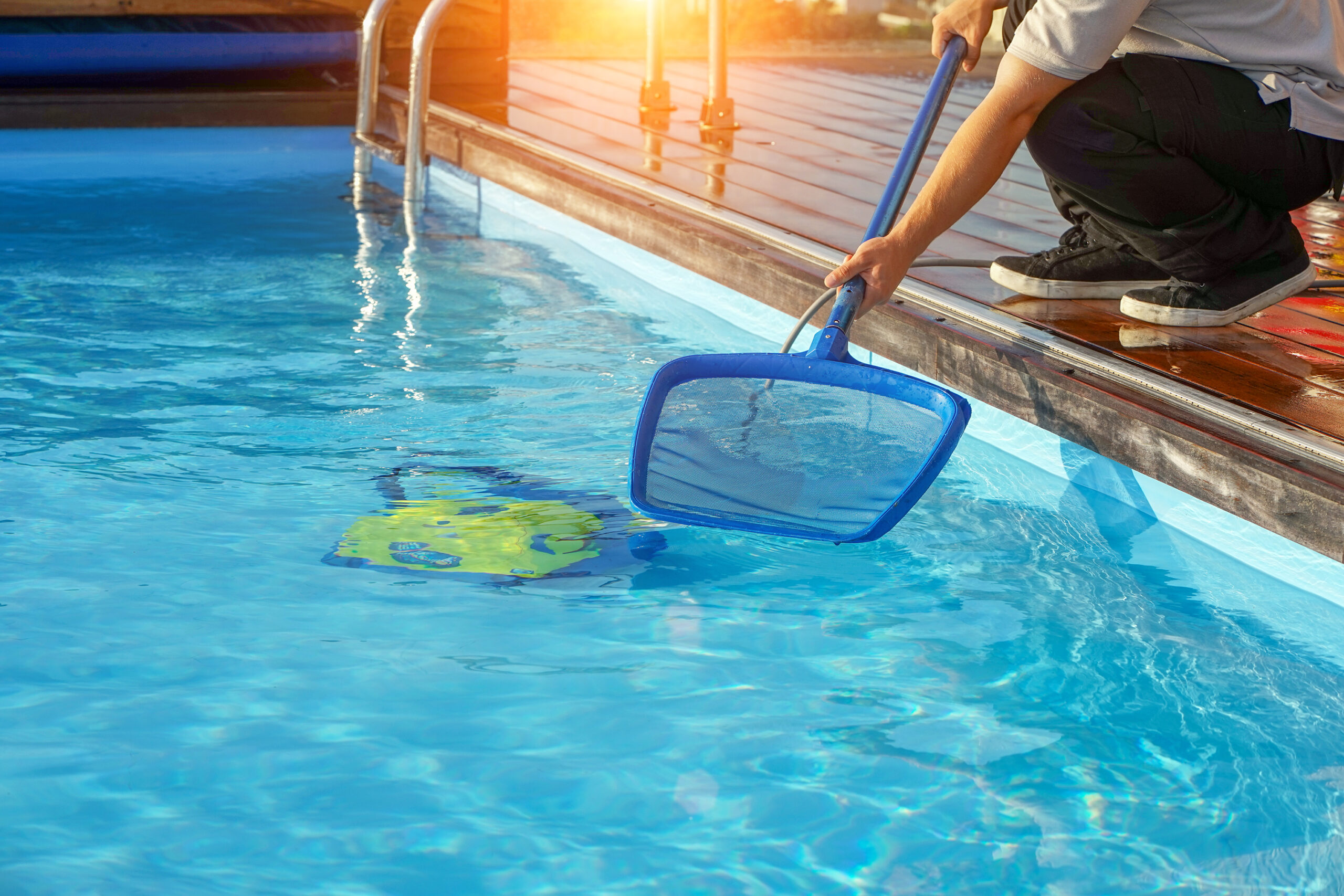
Once the cover is removed, technicians or homeowners must remove any debris floating on the water surface or settled at the bottom. Skimming, vacuuming, and brushing walls, steps, and tiles help eliminate dirt, algae, and stains. Cleaning the surrounding deck, gutters, and pool coping is also essential to prevent contamination and ensure proper water drainage.
3. Inspecting and Servicing Equipment
Pumps, filters, heaters, chlorinators, and circulation systems require careful inspection after winter dormancy. Checking for leaks, cleaning or replacing filters, lubricating moving parts, and verifying proper operation ensures that all equipment functions efficiently. Seasonal wear or damage can be identified early, preventing expensive mid-season repairs.
4. Refilling and Balancing Water
If the water level has dropped, refilling the pool to the appropriate level is necessary. Water chemistry must be tested and adjusted to achieve safe chlorine levels, balanced pH, proper alkalinity, and appropriate calcium hardness. Balanced water prevents algae growth, protects pool surfaces from corrosion or scaling, and ensures swimmer comfort and safety.
5. Shock Treatment and Algae Prevention
Many pool technicians recommend a shock treatment at the beginning of the season to eliminate bacteria and contaminants accumulated over the off-season. Additional preventive measures, such as algaecide application, can be used to reduce the likelihood of algae growth during early swimming weeks.
6. Checking Safety Features
Finally, pool openings include inspection of safety equipment such as ladders, handrails, pool covers, pool alarms, and fencing. Ensuring that all safety measures are functional protects swimmers and complies with local regulations.
DIY vs. Professional Pool Opening
While homeowners may attempt pool opening themselves, hiring a professional service ensures comprehensive care and reduces the risk of mistakes. DIY pool opening requires knowledge of chemical testing, equipment operation, and proper cleaning techniques. Incorrect chemical balance or improper equipment startup can damage pool surfaces, shorten equipment lifespan, and create unsafe swimming conditions. Professional pool opening services combine experience, tools, and industry best practices to guarantee that the pool is safe, clean, and ready for the season. Many homeowners find that investing in professional pool opening saves time, reduces stress, and provides peace of mind.
Common Challenges During Pool Opening
Several challenges may arise during pool opening, highlighting the need for careful attention or professional assistance. Debris accumulated under pool covers can be heavy, contaminated, or difficult to remove without spreading dirt into the pool. Water chemistry imbalances from stagnant water can cause cloudiness, algae growth, or pH-related issues. Equipment that has been inactive over winter may require repairs, part replacements, or recalibration. Cold weather in early spring can also complicate water temperature adjustments. Addressing these challenges effectively ensures a smooth opening process and prevents problems that could disrupt the swimming season.
The Benefits of Proper Pool Opening
Proper pool opening offers numerous benefits that extend beyond clean water. Safety is significantly improved when equipment is inspected and debris is removed. Swimmers enjoy a pleasant experience in water that is clear, balanced, and free of contaminants. Proper equipment startup ensures energy efficiency and prevents costly breakdowns during peak season. Additionally, a well-prepared pool enhances the aesthetic appeal of the backyard, making it a reliable hub for relaxation, family gatherings, and social entertainment. Professional opening services provide consistency and expertise, ensuring that each step is performed correctly, which can reduce mid-season maintenance needs and promote long-term pool health.
Seasonal Maintenance Following Pool Opening
After opening a pool, ongoing maintenance is necessary to preserve water quality and equipment functionality. Routine cleaning, chemical adjustments, and equipment inspections should be performed on a weekly or bi-weekly basis throughout the season. Monitoring pH, chlorine, and alkalinity levels prevents imbalances, while regular vacuuming and brushing control algae growth. Seasonal services, such as checking heaters, adjusting water levels, and inspecting pumps and filters, complement the initial pool opening and contribute to a smooth and enjoyable swimming season.
Choosing the Right Pool Opening Service Provider
Selecting a reliable pool opening service provider ensures that the pool is prepared efficiently and safely. Homeowners should consider experience, certifications, and customer reviews. Discussing the service plan, expected tasks, and seasonal follow-up options helps tailor the service to the pool’s size, type, and usage patterns. A reputable provider communicates clearly, follows industry best practices, and ensures all equipment and water chemistry are in optimal condition. By choosing the right professional service, homeowners can enjoy a seamless transition from off-season dormancy to full-season swimming, with confidence that their pool is safe, clean, and ready for enjoyment.
Conclusion: The Value of a Proper Pool Opening
A proper pool opening is essential for a safe, clean, and fully functional swimming season. From cover removal and debris cleaning to equipment inspection, chemical balancing, and safety verification, comprehensive pool opening ensures that pools are ready for immediate and uninterrupted use. Whether performed by homeowners with careful attention to detail or by professional pool opening services, this seasonal preparation protects both swimmers and the pool itself, extending the lifespan of equipment, maintaining water quality, and creating a pleasant recreational environment. Investing time or resources into a proper pool opening guarantees that the swimming pool remains a reliable and inviting centerpiece of relaxation, family fun, and social enjoyment throughout the season.