Whether you are buying your first car, selling a motorcycle, transferring ownership within the family, or simply renewing your driver’s license, there are two digital searches that every Colombian should perform as a matter of routine: RUNT Por Cedula and SIMIT Por Cedula. These queries take just a few minutes, cost nothing, and provide the kind of verified, official information that protects you from costly legal surprises. This article explains exactly what these searches reveal, why they matter, and how to use them before your next vehicle-related transaction.
The Role of the Cedula in Colombia’s Transit System
Colombia’s cedula de ciudadania is much more than a personal identification card. Within the national transit system, it serves as the primary anchor for linking a person to their vehicles, their driving history, their license status, and their outstanding obligations. When transit authorities issue fines, record violations, or register vehicles, the cedula is the connecting thread that ties all of this information to a specific individual.
This means that querying the transit system by cedula gives you a person-centric view of their entire relationship with Colombia’s roads — not just a snapshot of one vehicle at one moment in time. It is this comprehensive perspective that makes cedula-based searches so much more powerful than simple plate lookups in many situations.
Search One: RUNT Por Cedula
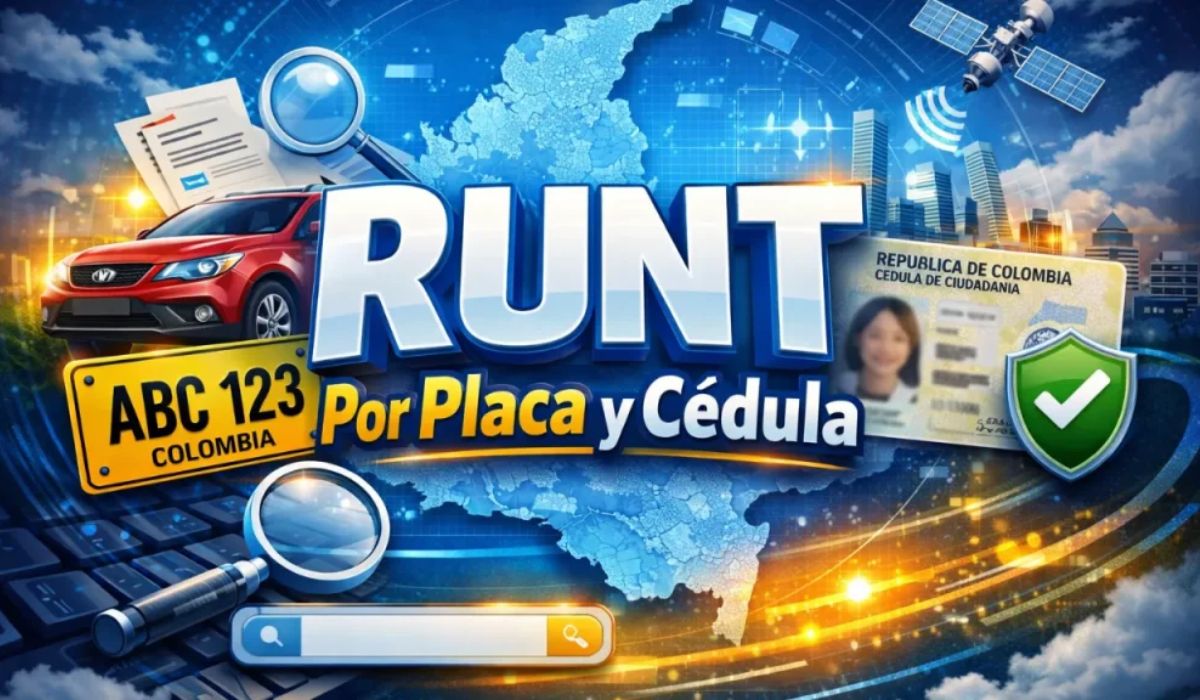
The first search every Colombian should run before any vehicle transaction is RUNT Por Cedula, available through the Registro Unico Nacional de Transito. This query retrieves all transit records associated with a given cedula number, including every vehicle registered under that identity, the current status of the person’s driver’s license, any administrative actions taken against the license, and whether any vehicles registered under that name carry legal restrictions or encumbrances.
For a buyer, this search answers the most fundamental question in any vehicle transaction: does the seller actually own the vehicle they are claiming to sell? It also answers whether the seller is legally authorized to drive, which is relevant context in any private vehicle sale. A seller with a suspended license may be trying to offload a vehicle precisely because they cannot legally use it, and that context matters.
For the cedula holder themselves, a RUNT Por Cedula search is a valuable personal audit that confirms all registered vehicles are accounted for, that the driver’s license is in good standing, and that no unexpected records have appeared under their identity.
Search Two: SIMIT Por Cedula
The second essential search is SIMIT Por Cedula, run through the Sistema Integrado de Multas y Sanciones de Transito. Unlike a plate-based query, which only shows fines tied to one specific vehicle, a cedula-based SIMIT search reveals all traffic violations and financial sanctions linked to a driver’s national identity number across every vehicle they have ever operated.
This matters because Colombian traffic law assigns certain violations to the driver rather than the vehicle. Driving under the influence, operating without a license, and accumulating demerit points under the graduated license system are all recorded at the cedula level. These violations do not disappear when a driver changes vehicles. They follow the individual and can result in license suspension, fines, or even criminal proceedings depending on severity.
For anyone buying from a private seller, checking SIMIT Por Cedula confirms that the seller has no active license-level sanctions that could complicate the transaction or indicate a pattern of irresponsible behavior worth knowing about.
Real-World Scenarios Where These Searches Are Critical
Scenario: The Family Vehicle Transfer. A parent wants to transfer a vehicle to their adult child. A RUNT Por Cedula search on the parent’s identity confirms clean ownership. A SIMIT Por Cedula search on the child’s cedula, once the vehicle is in their name, ensures that no prior violations will complicate the new registration. Both searches are fast and free.
Scenario: The Private Marketplace Purchase. You find a vehicle listed at an attractive price on a classifieds platform. Before meeting the seller, you run RUNT Por Cedula with their identity number and discover the vehicle is not registered in their name. This simple check prevents a potentially fraudulent transaction before it begins.
Scenario: Pre-License Renewal Audit. Before visiting a transit office to renew your driver’s license, you run both searches on your own cedula. You discover a small fine in SIMIT that you were unaware of, issued by an automated camera. You pay it online within the discount window and arrive at the transit office with a clean record.
How to Make These Searches Part of Your Routine
The best way to benefit from RUNT Por Cedula and SIMIT Por Cedula is to treat them as a regular part of your vehicle management routine rather than a one-time pre-purchase step. Setting a reminder to check both platforms every three to six months allows you to stay on top of any changes to your records, catch electronically issued fines before discount windows expire, and maintain a clear understanding of your standing with Colombia’s transit system at all times.
For business owners and fleet managers, incorporating these checks into standard onboarding and periodic reviews of drivers is an important compliance and risk management practice.
What to Do If You Find Issues
If a RUNT Por Cedula search reveals an unexpected vehicle registered under your name, contact the RUNT directly to report a potential identity issue and initiate a review. If a SIMIT Por Cedula search reveals outstanding fines you were unaware of, pay them promptly, preferably within any available discount window. If fines appear to have been issued in error, the SIMIT platform provides information on how to contest them through the relevant transit authority.
Conclusion
RUNT Por Cedula and SIMIT Por Cedula are two of the most practical and accessible tools that Colombia’s transit system offers to its citizens. Running both searches before any vehicle transaction or license renewal is not a bureaucratic formality — it is an act of informed self-protection. In a country where vehicle records are comprehensive and publicly queryable, there is no excuse for entering any deal without first knowing exactly what the official records say.