Mold is one of the most persistent and damaging problems homeowners can encounter, yet it is often overlooked until it becomes a significant health concern or causes structural damage. Found in areas with excess moisture, poor ventilation, or water intrusion, mold can spread quickly if left untreated. Its presence not only compromises indoor air quality but also poses risks to respiratory health, aggravates allergies, and can lead to costly repairs if structural elements are affected. Understanding how to detect, remove, and prevent mold growth is essential for maintaining a safe and healthy home environment. This comprehensive guide explores the causes of mold, effective removal strategies, health implications, and long-term prevention methods.
Understanding Mold: What It Is and How It Grows
Mold is a type of fungus that thrives in moist environments. Unlike bacteria, which may require specific conditions to multiply, mold can grow on a wide range of organic and inorganic materials, including wood, drywall, wallpaper, insulation, and carpets. Mold reproduces through microscopic spores, which are naturally present in the air. These spores can attach to surfaces and begin growing whenever moisture and nutrients are available.
Common sources of moisture that contribute to mold growth include leaks in plumbing systems, condensation on windows or walls, roof leaks, poor ventilation in bathrooms or kitchens, and flooding. Once established, mold can spread rapidly, particularly in dark, warm, and damp areas of the home. The types of mold that most commonly affect indoor environments include Stachybotrys chartarum, often referred to as black mold, and various species of Aspergillus and Penicillium, each capable of causing structural and health issues.
Health Risks Associated with Mold Exposure
Exposure to mold can lead to a range of health complications, particularly for vulnerable populations such as children, the elderly, or individuals with compromised immune systems. Mold spores can trigger allergic reactions, asthma attacks, sinus infections, and other respiratory problems. Common symptoms include persistent coughing, wheezing, nasal congestion, eye irritation, skin rashes, and fatigue.
In some cases, prolonged exposure to toxic molds, such as black mold, can cause more severe reactions, including neurological symptoms, chronic respiratory conditions, and systemic inflammation. Although not all molds produce toxins, their presence in the home environment is inherently concerning because it indicates elevated moisture levels and potential damage to structural components. Prompt identification and removal of mold are critical to protecting both health and property value.
Identifying Mold in Your Home
Detecting mold in its early stages is vital to preventing widespread contamination. Mold can appear as discolored spots on walls, ceilings, or floors, ranging in color from black and green to brown or even white. It often emits a musty, earthy odor, which may be noticeable even before visible growth appears.
Mold frequently develops in areas that are hidden from immediate view, including behind walls, under flooring, inside HVAC systems, or beneath sinks and appliances. Homeowners should remain vigilant for signs of water damage, including warped surfaces, peeling paint, water stains, or persistent condensation. Professional mold inspection services can also employ tools such as moisture meters, infrared cameras, and air sampling techniques to detect hidden mold growth, ensuring that even concealed colonies are addressed effectively.
Mold Removal: Strategies and Techniques
Effective mold removal involves a combination of thorough cleaning, repair of underlying moisture issues, and proper protective measures. Attempting to remove mold without addressing the root cause of moisture will only result in regrowth. Therefore, the first step in any mold remediation process is to identify and eliminate sources of water intrusion, whether from leaks, condensation, or poor ventilation.
Safety Precautions
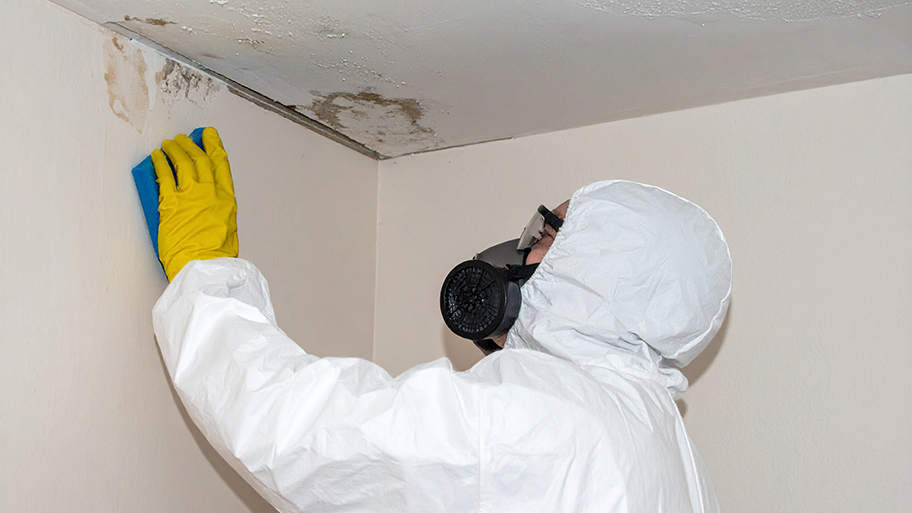
Before beginning mold removal, it is essential to protect yourself and prevent the spread of spores. Wearing appropriate personal protective equipment (PPE), including gloves, goggles, and respirators, reduces the risk of exposure. Isolating affected areas using plastic sheeting or temporary barriers prevents spores from contaminating other parts of the home. Proper disposal of contaminated materials, such as drywall, insulation, or carpeting, is equally important to avoid reinfestation.
Cleaning and Disinfecting Surfaces
Non-porous surfaces, including tiles, glass, and metal, can be effectively cleaned using a combination of detergent, water, and antimicrobial solutions. Porous materials, such as drywall, wood, and fabrics, often require removal and replacement because mold can penetrate deeply into their fibers, making thorough disinfection impossible. Cleaning should be performed carefully to avoid disturbing spores and causing them to become airborne.
Specialized Equipment and Techniques
Professional mold removal in Las Vegas services often employ advanced techniques such as HEPA vacuuming, air scrubbers, and ozone or UV treatments to remove spores and prevent future growth. These tools allow for more complete remediation, particularly in areas that are difficult to access or heavily contaminated. Structural repairs, including replacing damaged insulation, drywall, or flooring, are frequently necessary to fully restore the affected space.
Preventing Mold Growth: Long-Term Strategies
Prevention is the most effective way to manage mold risks. Because moisture is the primary driver of mold growth, controlling indoor humidity and ensuring adequate ventilation are crucial. Using exhaust fans in kitchens and bathrooms, maintaining air conditioning systems, and installing dehumidifiers in damp areas can significantly reduce the likelihood of mold development.
Regular inspections of plumbing, roofing, and windows help identify leaks early, allowing homeowners to address issues before mold can establish. Maintaining clean gutters, ensuring proper drainage away from the foundation, and sealing cracks in walls or floors also reduce the potential for water intrusion.
For homeowners in flood-prone areas or regions with high humidity, periodic professional mold inspections may provide added peace of mind. Early detection allows for less invasive and less costly interventions compared to widespread remediation efforts.
The Role of Professional Mold Remediation Services
While minor mold issues can sometimes be managed by homeowners, larger or more persistent infestations require the expertise of professional mold remediation companies. These specialists bring experience, equipment, and protocols designed to safely and effectively eliminate mold while minimizing health risks.
Professional services include detailed assessments to determine the extent of contamination, containment procedures to prevent spore spread, removal of contaminated materials, cleaning and disinfecting of salvageable surfaces, and post-remediation verification to ensure the problem has been fully addressed. Hiring trained professionals not only ensures safety but also provides documentation that may be valuable for insurance purposes or real estate transactions.
Mold Removal in Relation to Home Maintenance
Mold remediation should not be considered a one-time event but rather an integral part of ongoing home maintenance. Incorporating mold prevention measures into regular upkeep such as inspecting plumbing lines, maintaining gutters, and monitoring indoor humidity reduces the likelihood of recurrence. Seasonal maintenance, including checking for leaks after heavy rains or winter snowmelt, further protects the home environment.
Homeowners should also be mindful of materials used in renovations or upgrades. Selecting moisture-resistant drywall, coatings, and flooring can decrease susceptibility to mold growth, particularly in high-humidity areas such as basements, bathrooms, or laundry rooms.
Environmental and Health Considerations
Mold removal not only protects structural integrity and aesthetics but also contributes to a healthier indoor environment. Effective remediation improves air quality, reduces allergens, and decreases the risk of respiratory problems. Additionally, addressing mold proactively reduces the need for harsh chemical treatments later, which can benefit both occupants and the environment.
Sustainable mold management practices include using environmentally friendly cleaning agents, ensuring proper ventilation to reduce chemical accumulation, and disposing of contaminated materials responsibly. Homeowners can combine these strategies with preventive maintenance to create a safer and more sustainable living space.
Conclusion: Maintaining a Mold-Free Home
Mold is a pervasive issue that requires careful attention, timely intervention, and a strategic approach to both removal and prevention. Understanding its causes, health implications, and the techniques available for remediation empowers homeowners to protect their homes and the well-being of their families.
By combining diligent inspections, professional mold removal services when necessary, and long-term preventative measures, it is possible to significantly reduce the risks associated with mold growth. Maintaining proper moisture control, repairing leaks promptly, and investing in structural and ventilation improvements ensure that indoor spaces remain safe, clean, and comfortable. A proactive and informed approach to mold management preserves not only the physical integrity of the home but also the health and peace of mind of everyone who lives there.