Introduction: Understanding Home Remodel
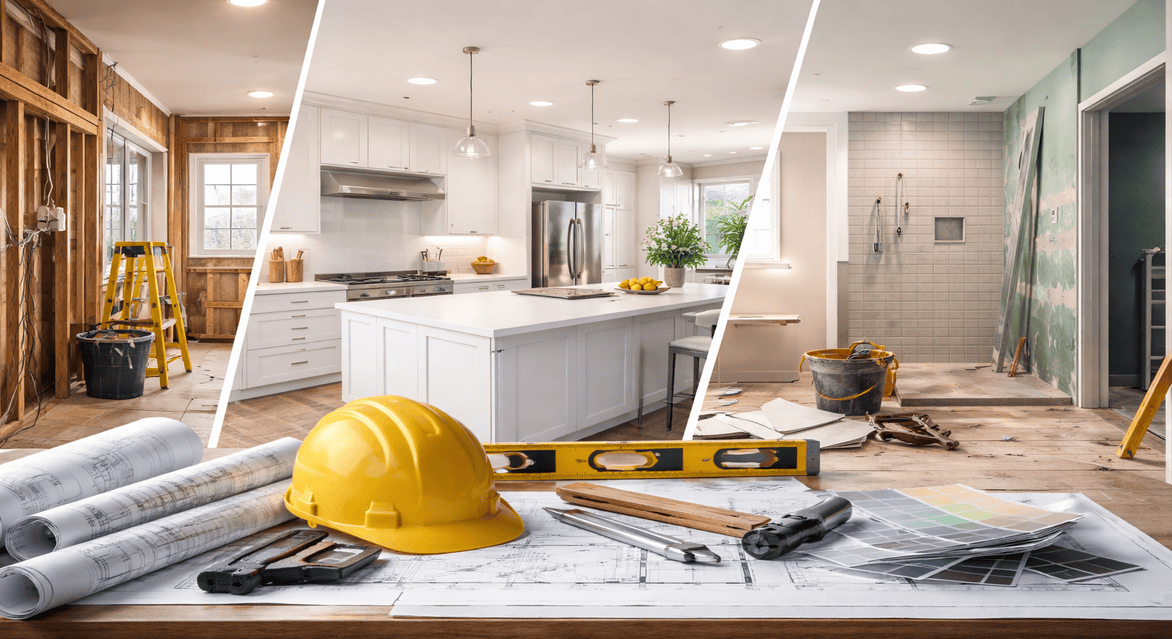
A home remodel involves updating, improving, or transforming existing residential spaces to enhance functionality, aesthetics, and overall value. Remodeling differs from new construction in that it modifies an already built structure, allowing homeowners to adapt their spaces to evolving needs, personal preferences, or lifestyle changes. Home remodeling can encompass a wide variety of projects, including kitchen renovations, bathroom upgrades, basement finishing, room additions, and exterior enhancements.
The purpose of a home remodel extends beyond improving appearances. Well-planned remodeling projects can increase property value, improve energy efficiency, enhance comfort, and better utilize available space. Homeowners may undertake remodeling for functional reasons, such as creating more storage, updating outdated systems, or improving accessibility, or for aesthetic reasons, including modernizing interiors, improving curb appeal, or creating cohesive design elements throughout the home. Each remodel is unique, reflecting both the homeowner’s vision and the characteristics of the existing property.
Professional home remodelers combine design expertise, construction knowledge, and project management skills to ensure that remodeling projects are executed efficiently, safely, and according to the homeowner’s objectives. From initial planning and budgeting to materials selection and construction, a comprehensive remodeling plan ensures that projects are completed on time, within budget, and with high-quality results.
Types of Home Remodel Projects
Home remodel projects can be broadly categorized into interior and exterior renovations, as well as functional upgrades that enhance living spaces. Interior remodeling often focuses on high-use areas such as kitchens, bathrooms, living rooms, and bedrooms. Kitchen remodeling may involve updating cabinetry, countertops, flooring, lighting, and appliances to create a more efficient, modern, and visually appealing cooking space. Bathroom remodels often include replacing fixtures, installing modern vanities, upgrading showers or bathtubs, and improving ventilation and lighting.
Living areas and bedrooms can be remodeled to improve layout, enhance lighting, add storage solutions, or incorporate design features such as built-in shelving or decorative elements. Basement finishing and attic conversions are common remodeling projects aimed at increasing usable living space, creating home offices, entertainment areas, or additional bedrooms. Home remodelers also address accessibility improvements, such as widening doorways, installing ramps, or modifying bathrooms for mobility support.
Exterior remodeling projects focus on improving curb appeal, protecting the structure, and enhancing outdoor living spaces. Common exterior remodels include siding replacement, roof upgrades, window and door installation, deck construction, patio development, landscaping enhancements, and garage renovations. These projects not only enhance the visual appeal of a home but also contribute to energy efficiency, structural integrity, and long-term property value.
Functional upgrades often involve electrical, plumbing, HVAC, and insulation improvements. Modernizing these systems increases safety, efficiency, and comfort, while ensuring compliance with current building codes and standards. Smart home integrations, such as programmable lighting, climate control, and security systems, are increasingly incorporated into remodeling projects to improve convenience and property value.
Benefits of a Home Remodel
A well-executed home remodel offers numerous benefits for homeowners. One of the primary advantages is enhanced functionality and efficiency. By updating layouts, optimizing storage, and improving traffic flow, remodeled spaces better accommodate the daily activities and lifestyles of the occupants. Efficiently designed kitchens, bathrooms, and living spaces can reduce stress, improve convenience, and enhance overall quality of life.
Home remodeling also increases property value. Upgraded kitchens, modern bathrooms, and attractive exterior improvements are highly sought after in real estate markets. Investing in quality remodels can yield a significant return on investment when selling the property, making remodeling both a practical and strategic decision. Additionally, remodels can improve energy efficiency and reduce long-term utility costs. Installing energy-efficient windows, doors, insulation, and appliances, or upgrading HVAC systems, helps lower energy consumption while creating a more comfortable indoor environment.
A remodel also provides personal satisfaction and improved aesthetics. Homeowners can tailor spaces to their tastes, incorporating preferred design styles, materials, and layouts. Personalized spaces reflect the homeowner’s identity and lifestyle, fostering a sense of pride and enjoyment. Remodeling can also address maintenance issues, repairing structural damage, water leaks, outdated electrical systems, or worn surfaces, thereby preserving the home’s longevity and preventing costly repairs in the future.
Planning a Home Remodel
Successful home remodeling requires careful planning. The process begins with defining goals, establishing a budget, and identifying priorities. Homeowners must assess the current condition of the property, determine the scope of work, and set realistic timelines for completion. Clear communication with contractors, designers, and specialists is essential to ensure that the remodel aligns with the intended vision.
Design planning involves selecting materials, finishes, color schemes, and fixtures that are both functional and aesthetically pleasing. Home remodelers provide guidance on material durability, compatibility with existing structures, maintenance requirements, and design trends. Detailed floor plans, 3D renderings, or mock-ups can help homeowners visualize the final outcome and make informed decisions.
Budgeting is a critical aspect of remodeling. Accurate cost estimates for materials, labor, permits, and contingencies help prevent overspending and allow for adjustments during the project. Many homeowners allocate an additional percentage for unexpected expenses, as remodeling often reveals hidden issues such as structural concerns, outdated wiring, or plumbing problems. Proper budgeting ensures that the project remains financially viable and minimizes stress during construction.
Execution and Professional Involvement
The execution phase of a home remodel involves skilled labor, project management, and adherence to safety standards. Professional contractors coordinate tasks such as demolition, construction, electrical and plumbing upgrades, carpentry, flooring, painting, and installation of fixtures and appliances. Skilled trade specialists ensure that each aspect of the remodel meets building codes, manufacturer specifications, and quality standards.
Communication and scheduling are essential during execution. Regular progress updates, site inspections, and milestone reviews help maintain timelines, quality, and budgetary control. Professional remodelers also manage subcontractors, order materials, and troubleshoot challenges, ensuring that the project progresses smoothly. Safety protocols, including protective equipment, secure scaffolding, and adherence to local regulations, safeguard workers and residents throughout the remodeling process.
Challenges and Considerations
Home remodeling can present challenges that require careful consideration. Structural limitations, unforeseen damage, permit requirements, and material availability may impact timelines and costs. Effective project management and collaboration between homeowners and professionals help mitigate these challenges. Selecting reputable, licensed, and insured contractors reduces risks and ensures that work is performed to high standards.
Additionally, remodeling can disrupt daily routines. Homeowners may need to temporarily adjust living arrangements or schedule around construction activities. Planning for temporary relocation, storage, and minimizing disruption helps ensure a smoother remodeling experience. Understanding these factors and preparing for potential obstacles contributes to successful outcomes and minimizes stress.
Conclusion
A home remodel is a transformative process that enhances the functionality, aesthetics, efficiency, and value of a property. From interior renovations such as kitchen and bathroom upgrades to exterior improvements, basement finishing, and functional system upgrades, remodeling allows homeowners to tailor their living spaces to meet evolving needs and personal preferences.
The benefits of a home remodel extend beyond visual appeal, including improved comfort, energy efficiency, increased property value, and long-term preservation of the home. Careful planning, professional involvement, and clear communication are essential for achieving successful results, ensuring that the remodel is completed on time, within budget, and to a high standard of quality.
By investing in a comprehensive home remodel, homeowners not only enhance the livability and beauty of their property but also make a strategic decision that yields financial, functional, and personal rewards. Properly executed remodels provide lasting satisfaction, elevate lifestyle quality, and create spaces that reflect the individuality, taste, and priorities of the homeowner.