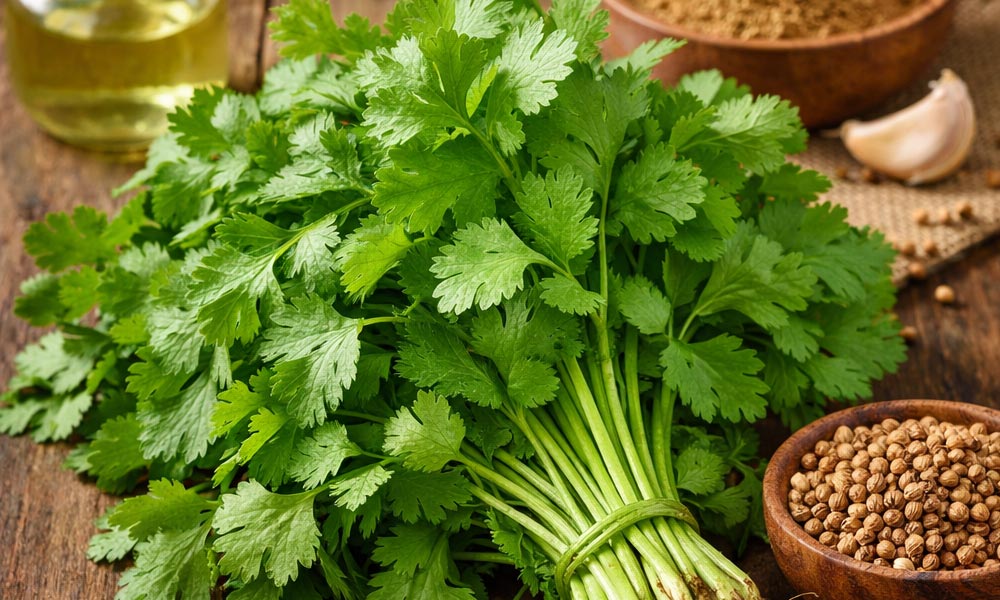
Have you ever seen a tiny plant that leaves a big mark on almost everything it touches? That is what koriandri does. This small herb finds its way into so many dishes, homes, and even old stories from thousands of years ago. People love it for its bright taste, healing power, and rich past. It is one of those simple things in life that feels small but does so much.
In today’s world, koriandri is everywhere. You may see it sitting on top of tacos, mixed into chutney, or floating in a hot bowl of soup. You may also find its seeds in spice blends, pickles, or baked food. Even people who do not cook know its fresh smell the moment they walk into a kitchen. This little plant has truly become a global star.
In this article, we will explore everything about koriandri. We will talk about what it is, where it came from, and why people have trusted it for thousands of years. We will also look at its health benefits, its rich nutrients, and how it fits into everyday food. By the end, you will see why this tiny plant makes such a big difference in both taste and health.
What Is Koriandri? (Simple Meaning)
Koriandri is an easy plant to understand. It is the same plant many people call coriander or cilantro. Its scientific name is Coriandrum sativum, but do not worry about the long word. All you need to know is that this plant is part of the parsley family, and it grows fast, smells fresh, and tastes bright.
The special thing about koriandri is that every part of it is useful. The fresh leaves are used in cooking. The seeds are dried and used as a spice. Even the stems and roots are used in some dishes. It is rare to find a plant where nothing goes to waste.
What makes koriandri even more interesting is how its leaves and seeds taste completely different. The leaves taste light and citrus-like. The seeds taste warm, nutty, and slightly sweet. It is almost like the plant has two personalities in one. That is why cooks love it so much.
The Long History of Koriandri
Koriandri is not a new herb. In fact, it is one of the oldest plants used by humans. People have found koriandri seeds in ancient places that are more than 8,000 years old. Some were even found in the tomb of King Tutankhamun in Egypt. This tells us that people valued koriandri so much that they wanted it with them even after life.
Ancient Egyptians used it for cooking and for healing. They believed koriandri had special powers. The Greeks and Romans also loved it. They used the seeds to flavor bread, wine, and even meat. They thought koriandri could protect the body and bring good health.
As time passed, koriandri traveled across the world. It moved from the Mediterranean to India, China, and then to the Americas. Traders carried it along ancient roads, and cooks took it into their homes. Today, koriandri sits in kitchens everywhere. It connects thousands of years of human life in one small plant.
Read next: Kinervus: The New Way People Are Blending Tech, Wellness, and Real Life
How Koriandri Looks and Grows
Koriandri is a simple plant, but it has a clean and beautiful look. The leaves are small, soft, and bright green. They look a bit like flat parsley. The plant grows thin stems, and at the top, you may find tiny pink or white flowers. These flowers grow in soft umbrella-shaped clusters called umbels.
The plant usually grows to about 50 centimeters tall, which is around 20 inches. It is not a big plant, and that makes it great for gardens and small spaces. If you grow it at home, you will notice how quickly it grows. In a few weeks, you can start picking the leaves for cooking.
Koriandri seeds come from the flowers. When the flowers dry, they form small round seeds. These seeds are what we call coriander spice. So when you see the plant in different stages, it changes from a leafy herb to a spice maker. That is one of the many things that make koriandri special.
Different Names for Koriandri Around the World
One fun thing about koriandri is that people call it many names. This can confuse beginners, but it is actually simple once you know the basics. In North America, people usually say cilantro when they talk about the leaves. They say coriander when they talk about the seeds. But in many other countries, one word is used for both.
In India and other parts of South Asia, the plant is called dhania. The leaves, stems, and seeds are all called dhania. This name is used in millions of homes every day. If you walk into any Indian kitchen, you will almost always see fresh dhania on the counter.
In some Asian countries, people call it Chinese parsley. This name comes from how it looks, because it resembles parsley. No matter what the name is, the plant is the same, and the love for it is the same too. These different names show how far koriandri has traveled and how deeply it has become part of global cooking.
Koriandri Benefits for Your Health
Koriandri is not only a flavor booster. It is also full of health benefits. People have used it in natural medicine for thousands of years, and today, modern science also supports many of these old uses. It is rare to find an herb that tastes good and also helps the body in so many ways.
This tiny plant is rich in antioxidants. These are special parts inside the plant that help protect your cells from damage. They fight bad elements in your body that cause stress and sickness. When you eat food with koriandri, you are giving your body a natural way to stay strong.
Koriandri may also support your heart, your digestion, and your overall health. It has compounds that can help your heart work better, ease stomach problems, and even help your body fight inflammation. This is why people around the world use it not just for taste, but also for wellness.
Heart Health Benefits of Koriandri
Your heart works hard every day, so it needs all the help it can get. Koriandri may be a simple plant, but it has a few strong benefits for the heart. Some studies show that koriandri can help lower “bad” cholesterol in the body. This is the type of cholesterol that can cause heart problems when it gets too high.
At the same time, koriandri may help raise “good” cholesterol. This type protects the heart and keeps your blood clean. When both these actions happen together, your heart can feel lighter and healthier.
Koriandri also has a natural diuretic effect. This means it helps the body remove extra water and salt. When this happens, your blood pressure may go down. Lower blood pressure makes the heart’s job easier. So even though koriandri is tiny, it brings big help for the heart.
Read next: Supermaked: The Smart New Way We Will Shop in the Future
Digestive Benefits of Koriandri
Have you ever felt bloated or uncomfortable after a meal? Koriandri can help with that. For many years, people have used it to calm the stomach and improve digestion. It has natural oils that help the body process food more smoothly, which can reduce gas, bloating, and pain.
People with IBS or sensitive stomachs often find relief with koriandri. It can help relax the muscles in the stomach and intestines, making it easier for food to move through the body. This brings more comfort and fewer digestive problems.
Koriandri also helps your body make more digestive enzymes. These enzymes break down food so your body can absorb nutrients better. When you digest food well, you feel lighter, more comfortable, and more energetic.
Nutrients Inside Koriandri
Koriandri is rich in many good nutrients even though it is low in calories. This makes it a great choice for anyone who wants healthy food that feels light. The fresh leaves have strong amounts of Vitamin K, Vitamin A, and Vitamin C. Each of these helps your body in different ways.
Vitamin K supports strong bones and helps your blood clot properly. Vitamin A keeps your eyes healthy and supports your immune system. Vitamin C helps your skin, protects your cells, and keeps your body strong against sickness.
The seeds have minerals like iron, magnesium, and manganese. These help with energy, muscle function, and overall strength. It is surprising how much one small plant can offer.
Easy Ways to Use Koriandri in Cooking
Koriandri is one of the easiest plants to use in your kitchen. The fresh leaves add a bright taste to almost any dish. You can sprinkle them on soups, noodles, rice bowls, curries, tacos, or even eggs. They bring a fresh and cool flavor that lifts the whole plate. Many people say a dish feels “complete” only after they add a little koriandri on top.
The seeds are just as useful. When you toast them in a dry pan, they release a warm smell that fills the room. Then, when you grind them, the spice becomes even deeper and richer. You can use ground koriandri in curries, stews, pickles, or even baked food. Some people add it to bread dough for a soft, nutty flavor.
If you enjoy trying new things, you can also blend koriandri leaves into sauces and dips. Think of guacamole, green chutney, or salsa. These dishes become fresher and more exciting with a handful of leaves. This shows how koriandri fits into so many food cultures, from India to Mexico to the Middle East.
Koriandri Flavor: What It Really Tastes Like
The flavor of koriandri can be hard to describe because it feels so fresh. The leaves taste light and citrus-like. Some people say they taste like lime mixed with fresh greens. This is why koriandri is used in hot and spicy foods—it helps cool the heat and balance the flavors. When you take a bite of a dish with koriandri, you often feel a small burst of freshness.
The dried seeds taste very different. They have a warm, nutty, and slightly sweet flavor. Many cooks say the seeds taste like sunshine because they bring a soft golden warmth to food. This is why they are used in spice mixes, marinades, and even sweet baked foods in Europe.
Of course, some people say koriandri tastes soapy. This is not because of the plant. It is because of a genetic difference that affects how certain people smell a natural compound in the leaves. It does not happen to everyone. If you know someone who dislikes koriandri, this could be the reason.
How to Grow Koriandri at Home
Growing koriandri at home is simple and fun. You do not need a big garden or special tools. A small pot by a sunny window is enough. Just fill the pot with good soil, sprinkle the seeds, and water lightly. In a short time, you will see little green leaves coming up from the soil.
Koriandri loves sunlight, but it also appreciates a little shade in very hot weather. So if you live in a warm place, try giving it soft afternoon shade. Keep the soil moist but not too wet. When the plant is about six inches tall, you can start cutting the leaves. Always take the outer leaves first so the plant can keep growing.
If you want koriandri seeds, let the plant grow flowers. When the flowers dry, they turn into round seeds. You can gently cut the stems, place them in a paper bag, and let the seeds fall off when fully dry. These seeds can be used for cooking or planted again to grow new koriandri plants.
Read next; Tarnplanen: The Simple Outdoor Tool That Keeps You Safe and Dry
Fun Facts About Koriandri
Koriandri has many fun and surprising facts that make it even more interesting. For example, did you know that ancient people believed koriandri had magical powers? They used it in holy rituals and healing practices. Some even believed it brought luck and protection.
Another fun fact is that every single part of the plant is edible. The leaves, stems, seeds, and even roots can be used in food. Thai cooks often use the roots to add strong flavor to soups and sauces. So when you buy koriandri, nothing goes to waste.
Koriandri is also famous on social media. Every year, people start big debates online about whether they love it or hate it. This “koriandri debate” has become a funny tradition, with thousands of people sharing jokes, memes, and stories. It shows how this tiny plant continues to surprise and entertain the world.
Common Questions People Ask About Koriandri
Many people have questions about koriandri because it comes in different forms and names. One common question is: “Is coriander the same as cilantro?” The simple answer is yes. They come from the same plant, but people use different names for different parts.
Another question is how to keep koriandri fresh for longer. The best way is to place the stems in a jar with a little water and loosely cover the leaves with a plastic bag. This keeps them fresh for days, sometimes even a week. It is a simple trick that works very well.
People also ask if koriandri can replace other herbs. In some dishes, yes. It can replace parsley or mint in small amounts. But because koriandri has a special flavor, it does not work as a perfect replacement in all dishes. When used correctly, however, it adds a bright and beautiful taste that no other herb can match.
Conclusion
Koriandri may look small, but its power is huge. It adds life to food, supports your health, and carries stories from thousands of years ago. Few plants have such a rich mix of flavor, history, and healing power. That is what makes koriandri so special.
Whether you sprinkle it on your food, mix it into a dip, cook with its seeds, or grow it in your own home, koriandri brings joy to your kitchen. It is simple, natural, and full of benefits. And the best part is that it fits into almost every type of dish from soups to salads to curries.
As you use koriandri more, you will see how this tiny plant adds big value to your life. It is proof that sometimes the smallest things make the biggest difference.
(FAQs)
What is koriandri and why is it so popular?
Koriandri is the same plant many people call coriander or cilantro. It is popular because it adds fresh flavor to food, works well in many cultures, and also has strong health benefits. People love koriandri because it is easy to use, smells great, and makes almost any dish taste better.
Why do koriandri leaves and seeds taste so different?
The leaves taste light, fresh, and citrus-like, while the seeds taste warm, nutty, and sweet. This happens because the leaves and seeds have different natural oils. This is why one plant can give you two completely different flavors for different dishes.
Is it true that koriandri tastes like soap for some people?
Yes, but only for some people. A small group of people have a genetic trait that makes a natural compound in koriandri leaves smell soapy. It does not mean the plant is bad. It just means their sense of smell works differently.
What are the main health benefits of koriandri?
Koriandri supports the body in many ways. It may help lower bad cholesterol, improve digestion, reduce inflammation, and protect cells with its antioxidants. It also has vitamins that help the eyes, bones, skin, and immune system.
How can I keep fresh koriandri leaves from going bad too fast?
The best trick is to place the stems in a small jar of water and loosely cover the leaves with a plastic bag. Keep it in the fridge. This helps the leaves stay fresh for many days. You can also store them in a dry container with a paper towel to absorb moisture.
Can I replace other herbs with koriandri in cooking?
Sometimes, yes. Koriandri can replace parsley or mint in a few dishes, but the taste will be different. Because koriandri has a strong and unique flavor, it is not a perfect replacement for all herbs. It works best when used in dishes that already match its fresh taste.
Is koriandri good for people with stomach problems?
Yes, many people use koriandri to calm stomach issues like gas, bloating, and cramps. The natural oils in the plant help the digestive system relax and work smoothly. It is also helpful for people with IBS.
Can I grow koriandri at home even if I am not a good gardener?
Yes, absolutely. Koriandri is one of the easiest plants to grow. You only need a small pot, good soil, sunlight, and gentle watering. It grows fast, and you can start picking the leaves in just a few weeks.
What is the difference between coriander, cilantro, and dhania?
They all come from the same plant.
-
Cilantro usually means the fresh leaves.
-
Coriander often means the seeds.
-
Dhania is the name used in India and South Asia for both leaves and seeds. Different regions use different names, but the plant is the same.
Are all parts of the koriandri plant safe to eat?
Yes. Every part of the koriandri plant is edible. The leaves, stems, and seeds are used in cooking. The roots can also be used in some Asian dishes. Each part has its own unique flavor, and nothing goes to waste.
Read next; Yürkiyr: A Fresh Way to Think About Innovation and Culture