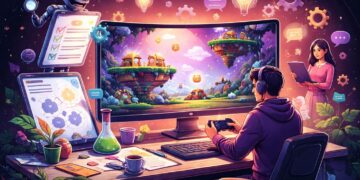
The gaming industry is entering a revolutionary phase where accessibility and convenience are becoming just as important as graphics and performance. One of the biggest innovations driving this shift is game streaming, a technology that allows players to enjoy high-end games without relying on powerful local hardware. Instead of downloading and installing large files, users can instantly access games through the internet, making gaming faster and more flexible than ever before. Alongside this, tools like StarDesk remote desktop are redefining how players connect to their systems, offering a seamless way to experience gaming without limitations.
Gaming Without Boundaries
One of the most exciting aspects of modern gaming technology is the freedom it offers. Players are no longer restricted to a single device or location. Whether you’re traveling, at school, or relaxing in another room, you can continue your gaming session without interruption. This kind of flexibility turns gaming into a truly portable experience, allowing users to stay connected to their favorite titles anytime and anywhere.
The Power of Cloud Infrastructure
Behind every smooth streaming experience is a powerful cloud infrastructure. Data centers process complex game environments, render graphics, and deliver real-time video output directly to the player’s screen. This setup ensures consistent performance regardless of the user’s device. As global internet speeds improve, the gap between local gaming and cloud-based gaming continues to shrink, making streaming an even more viable option for serious gamers.
A More Affordable Gaming Ecosystem
Cost has always been one of the biggest barriers in gaming. High-end PCs, consoles, and regular upgrades can be expensive, especially for younger players or casual gamers. Streaming technology offers a cost-effective alternative by eliminating the need for constant hardware investments. Players can either subscribe to services or use remote access solutions to maximize the value of their existing systems. This shift is helping gaming reach a broader audience than ever before.
Revolutionizing Multiplayer Experiences
Multiplayer gaming is evolving alongside streaming technology. With fewer hardware limitations, players can join matches without worrying about compatibility issues or performance differences. This creates a more balanced environment where skill and strategy matter more than system power. It also encourages more people to participate, making online communities larger and more active.
The Rise of Content Creation and Streaming Culture
Game streaming isn’t just about playing—it’s also about sharing experiences. Platforms for live streaming and video content have grown rapidly, turning everyday players into content creators. Gamers can now broadcast their gameplay, build audiences, and even earn income through their content. This has created an entirely new layer within the gaming industry, where entertainment and interaction go hand in hand.
Eliminating the Need for Expensive Hardware
For decades, gaming has been closely tied to hardware upgrades. Players had to constantly invest in better graphics cards, faster processors, and more storage to keep up with new releases. However, game streaming is disrupting this model by moving processing power to the cloud. At the same time, StarDesk remote desktop allows users to remotely access their own high-performance machines, reducing the need to carry expensive setups everywhere. This combination ensures that even users with basic devices can enjoy premium gaming experiences.
Challenges Facing Game Streaming
Despite its many advantages, game streaming still faces several challenges. Internet dependency is one of the biggest concerns. A stable and fast connection is essential for smooth gameplay, and not all regions have access to reliable networks. Latency, data usage, and occasional performance drops can also impact the experience.
However, these challenges are gradually being addressed as technology continues to improve. Advancements in network infrastructure and optimization techniques are helping reduce these issues, making streaming more reliable over time.
The Future of Gaming Technology
Looking ahead, game streaming is expected to play a central role in the future of gaming. As cloud computing, artificial intelligence, and network speeds continue to advance, the overall experience will become even more seamless. Developers may begin designing games specifically for streaming platforms, unlocking new possibilities in gameplay and interactivity.
This evolution could also change how games are distributed and monetized. Instead of traditional purchases, players may rely more on subscriptions or instant access models, further simplifying the gaming experience.
Conclusion: A New Era of Gaming
Game streaming is not just a technological trend—it’s a complete transformation of the gaming landscape. By removing hardware barriers, increasing accessibility, and enabling flexible gameplay, it is opening doors for millions of players around the world. Combined with innovative tools and evolving infrastructure, the future of gaming looks more connected, convenient, and inclusive than ever before.