Oral Health and Overall Well-Being
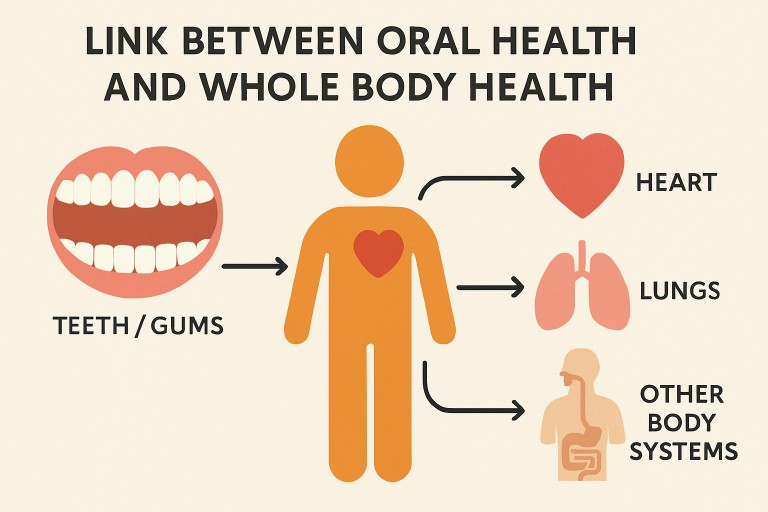
Good oral health supports more than just your teeth and gums; it is linked closely to your body’s entire health system. For instance, untreated dental issues like gum disease may contribute to health concerns such as heart disease, diabetes, and respiratory infections. Access to dental care is an important foundation for maintaining overall wellness, and dental benefits help make that care more accessible for individuals and families.
Early intervention through regular checkups supported by dental benefits ensures that oral health problems are caught before they escalate into more serious, whole-body conditions. Health programs like FEDVIP dental help millions maintain regular preventive care, which is essential in supporting broader wellness goals throughout life.
Prioritizing oral health is not just about reducing pain or avoiding cavities. It also aims to support immune system performance and ensure that underlying oral health issues do not fuel chronic inflammation or bacterial spread elsewhere in the body. The interconnectedness of oral and systemic health illustrates why dental benefits are a foundational piece of any health strategy, especially for people managing chronic illnesses.
For individuals managing conditions such as diabetes or cardiovascular disease, regular dental care becomes even more critical. Evidence continues to grow, highlighting links between periodontal disease and worsened outcomes in people with chronic health concerns. According to the Centers for Disease Control and Prevention, addressing oral health needs is an important step in chronic disease management strategies.
Preventive Care and Dental Insurance
Preventive dentistry, made possible through dental insurance, is central to stopping problems before they start. Most dental benefits plans prioritize preventive services such as annual exams, professional cleanings, and X-rays because these visits detect early signs of decay, gum disease, and other oral health issues.
Individuals with dental insurance consistently show better patterns of maintaining scheduled cleanings and well-visits. Consequently, dental insurance plans not only lower the personal cost barrier to care but also reinforce a proactive approach to health. Routine dental visits help prevent minor oral issues from progressing to major, costly treatments while promoting a healthier mouth over time.
Impact of Dental Benefits on Health Outcomes
Comprehensive dental coverage is directly tied to improved health outcomes. Adults and children with active dental benefits are more likely to receive timely fillings, periodontal work, and cancer screenings, leading to fewer missed work or school days due to preventable pain or emergency visits. Dental benefits help facilitate access to coordinated care, which COVID-19 emphasized as vital for the health and productivity of entire communities.
Supporting regular access to oral care can reduce long-term healthcare costs and complications. Reliable access to dental care also improves social and emotional well-being, as untreated oral conditions can negatively affect confidence, mental health, and daily quality of life. The American Dental Association highlights that people with dental coverage tend to use more preventive services and have better overall health outcomes.
Economic Advantages of Dental Coverage
Investing in quality dental insurance can save money for both individuals and employers. Adults who receive consistent dental care have fewer expensive emergency treatments. There is a reduction in productivity losses stemming from dental-related absences, as outlined by studies on absenteeism and workplace health. Employers and employees alike benefit from lower overall healthcare costs when dental issues are managed proactively, contributing to a stronger workforce and a healthier bottom line.
Employers offering dental coverage as part of their benefits package also attract and retain more talented staff. According to recent research published by Health Affairs, policies that emphasize preventive dental care yield a solid return on investment through better health, higher morale, and fewer high-cost emergencies.
Addressing Disparities in Dental Care
Dental coverage plays an important role in closing gaps in care that have persisted for decades. Many low-income adults and families experience significant barriers to routine oral healthcare, often due to a lack of dental coverage. By expanding benefits through state Medicaid programs and employer-sponsored plans, more people can receive the preventive and restorative care they need to support their overall well-being.
Programs that extend dental benefits to underserved populations help address longstanding health disparities. Efforts from both public and private leaders have led to measurable improvements in overall health outcomes in communities historically left behind by limited access to care.
Policy Initiatives and Dental Benefits
Effective dental insurance policies put patient needs first. Legislative efforts across the nation are prioritizing reforms such as transparent benefit determinations, improved consumer protections, and expanded coverage options. One notable example is the work of the Washington State Dental Association, which is actively campaigning for reforms that ensure patients receive fair and consistent coverage and can freely choose their provider network.
These policy improvements aim to close coverage gaps, protect patient choice, and ensure that dental benefits continue to support comprehensive whole health.
Choosing the Right Dental Plan
Selecting a dental plan requires looking at both your health needs and your budget. Good plans offer clear information about covered services, access to a wide network of providers, and reasonable out-of-pocket costs. Consumers should review available options annually, especially as benefit offerings change to keep pace with the latest health standards and policy reforms.
It’s important to consider whether a plan covers specialized preventive services, major dental procedures, and orthodontic care for dependents, all of which help protect family health and avoid unpleasant financial surprises. Weighing these factors carefully ensures that your dental benefits work alongside your broader health and financial goals.
Final Thoughts
Dental benefits are vital to supporting whole health across all stages of life. They provide essential access to preventive care, improve outcomes for people with underlying medical concerns, and offer clear economic and social advantages. Choosing comprehensive dental coverage is an effective, practical step toward safeguarding your family’s overall well-being for years to come.