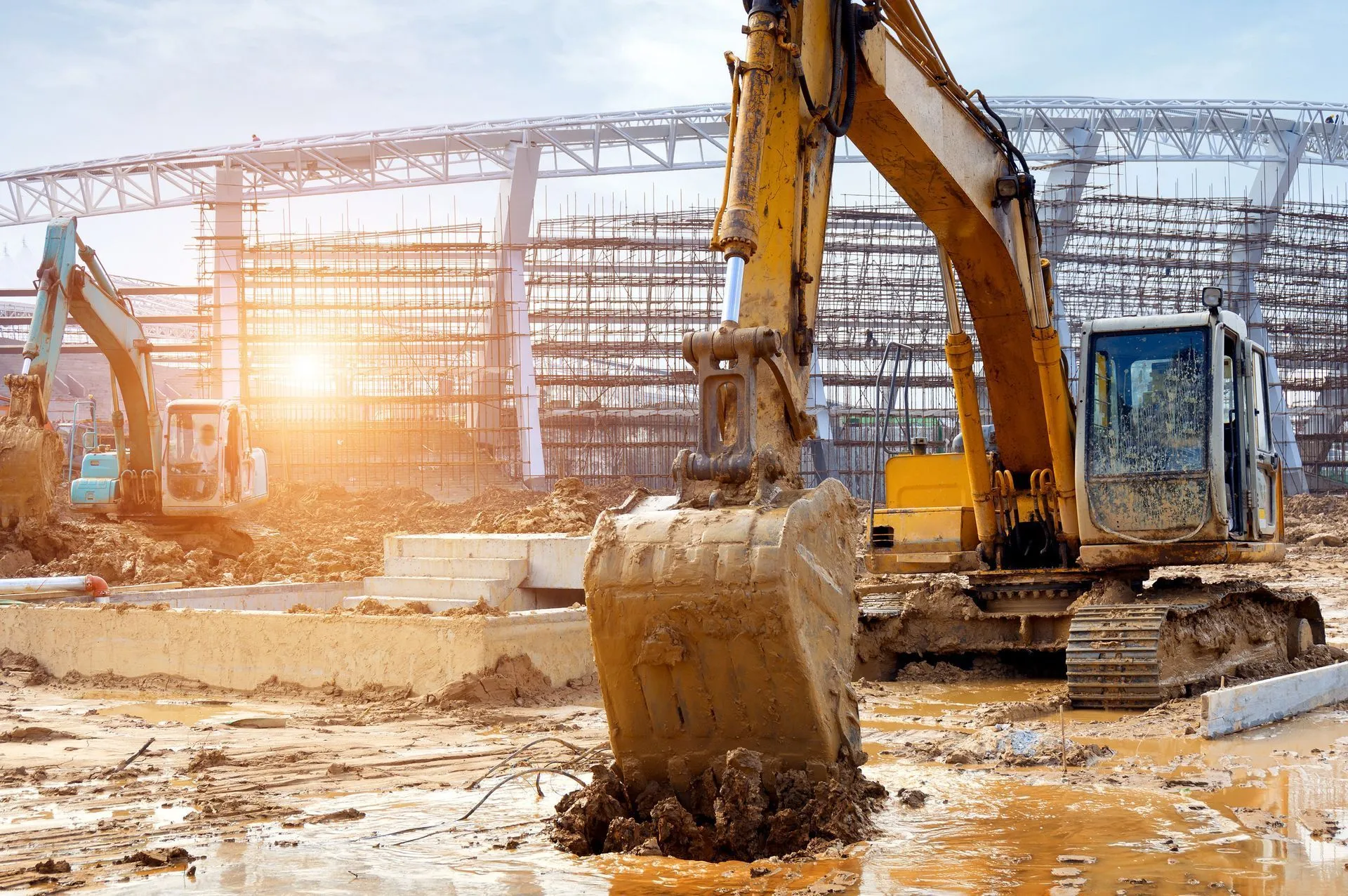
Preparing land for construction, landscaping, or infrastructure projects is a complex process that requires precision, expertise, and adherence to strict safety standards. Excavation is a foundational step in any construction project, as it sets the stage for building foundations, drainage systems, roads, and other essential structures. Hiring a professional excavation contractor ensures that the land is prepared efficiently, safely, and in compliance with local regulations.
Assessing the Site Before Excavation
Before any digging begins, an experienced excavation contractor conducts a thorough site assessment. This includes analyzing soil composition, topography, drainage patterns, and potential obstacles such as utility lines, rocks, or vegetation. Understanding the characteristics of the land allows the contractor to plan the excavation process carefully, minimizing risks and avoiding costly mistakes. Site assessments also include evaluating environmental factors, ensuring that the excavation does not cause unnecessary disruption to surrounding areas.
Developing a Detailed Excavation Plan
A professional contractor creates a comprehensive excavation plan that outlines the scope of work, equipment requirements, safety protocols, and project timelines. This plan serves as a roadmap, ensuring that each stage of the excavation is executed efficiently. It also helps coordinate with other contractors, such as civil engineers or foundation specialists, to guarantee that the excavation meets the specifications required for the next phase of construction. Proper planning reduces delays, controls costs, and enhances overall project quality.
Using Specialized Equipment and Techniques
Excavation requires the use of specialized machinery and tools tailored to the type of project and soil conditions. Equipment such as bulldozers, backhoes, excavators, and skid-steer loaders enable contractors to dig, move, and level large amounts of earth quickly and accurately. Professional contractors are trained to operate this machinery safely, minimizing the risk of accidents and damage to the property. Additionally, contractors apply techniques such as grading, trenching, and soil compaction to ensure a stable and level foundation for construction.
Ensuring Safety Compliance
Safety is a top priority in any excavation project. Professional contractors follow strict safety protocols to protect workers, equipment, and surrounding properties. This includes conducting risk assessments, providing personal protective equipment (PPE), and implementing traffic control measures if the site is near public areas. Contractors also adhere to OSHA (Occupational Safety and Health Administration) standards and local regulations, ensuring that excavation work is performed legally and safely. Regular site inspections and hazard monitoring further reduce the likelihood of accidents during excavation.
Managing Soil and Environmental Considerations
Excavation impacts the surrounding environment, and professional contractors take measures to manage soil and prevent erosion, contamination, or water runoff issues. Techniques such as silt fencing, erosion control blankets, and proper grading help maintain soil stability and protect nearby water sources. Contractors also handle the removal and disposal of excess soil, rocks, or debris in compliance with environmental regulations, ensuring that the project remains sustainable and environmentally responsible.
Coordination with Other Construction Teams
An excavation contractor plays a critical role in coordinating with other construction professionals, including foundation specialists, landscapers, and utility installers. Precise excavation ensures that foundations are level, trenches for utilities are correctly positioned, and grading supports proper drainage. This collaboration prevents structural issues, reduces the need for rework, and ensures that the overall construction project progresses smoothly.
Time and Cost Efficiency
Professional excavation contractors combine experience, equipment, and planning to complete projects efficiently. Proper excavation minimizes delays and reduces the risk of errors that could lead to additional costs. By preparing the land accurately the first time, contractors help keep construction timelines on track and budgets under control, providing clients with both quality and value.
Conclusion
Hiring a professional excavation contractor is essential for safe, efficient, and precise land preparation. From assessing the site and developing a detailed plan to using specialized equipment, ensuring safety compliance, managing soil, and coordinating with other construction teams, contractors provide expertise that protects both the project and the people involved. Proper excavation lays the foundation for a successful construction project, saving time, money, and effort while ensuring the structural integrity of the finished work. By relying on skilled professionals, property owners and builders can achieve a safe, well-prepared site that meets all regulatory and construction standards.