Introduction: The Importance of Professional Heating Installation
Heating installation is a crucial aspect of maintaining comfort, energy efficiency, and safety in any residential or commercial building. Whether you are replacing an outdated system or installing heating for the first time, proper installation ensures optimal performance, reduces energy costs, and prolongs the life of your heating equipment. Modern heating systems, including furnaces, boilers, heat pumps, and radiant heating, require careful planning, professional knowledge, and adherence to local building codes to operate safely and efficiently.
A poorly executed heating installation can lead to numerous problems, including uneven heating, frequent breakdowns, high utility bills, and even safety hazards such as carbon monoxide leaks or electrical issues. Therefore, understanding the types of heating systems, their installation requirements, and ongoing maintenance needs is essential for homeowners, property managers, and business operators alike. Professional installation provides peace of mind, ensures compliance with regulations, and maximizes system efficiency, making it a sound long-term investment.
Types of Heating Systems
The choice of heating system is a primary consideration during installation. Furnaces are among the most common options in residential settings, utilizing gas, electricity, or oil to generate warm air that is distributed through ductwork. Furnaces are valued for their reliability, rapid heating, and compatibility with modern thermostats and smart home systems.
Boilers provide heat through hot water or steam, circulating it via radiators or underfloor piping. This type of system is known for consistent, comfortable warmth and is often preferred in older homes or buildings where radiant heating is desirable. Boilers can operate on natural gas, oil, or electricity and are highly efficient when installed and maintained correctly.
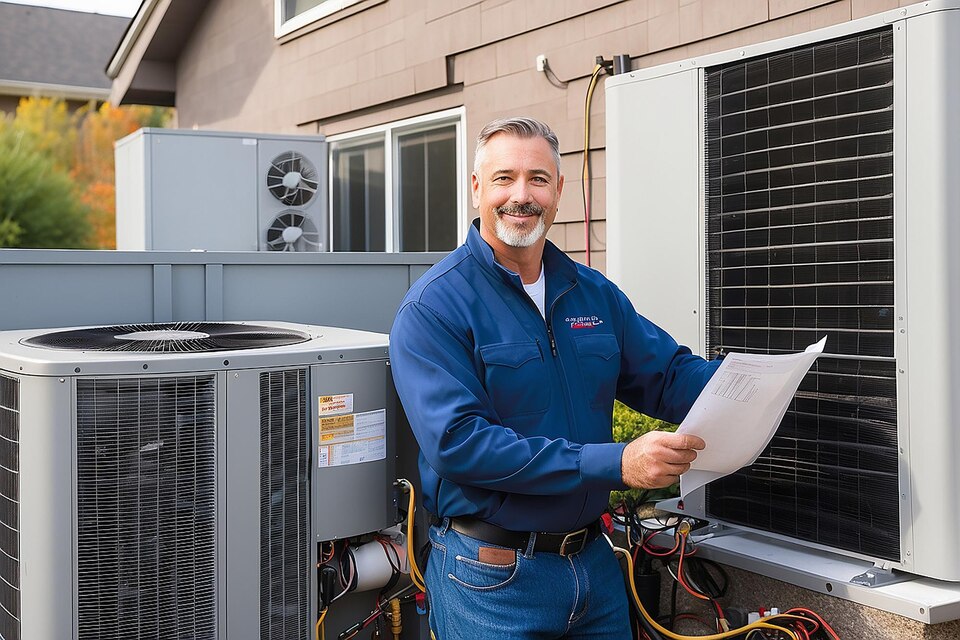
Heat pumps offer both heating and cooling capabilities, transferring heat between indoor and outdoor environments. They are energy-efficient solutions, particularly in moderate climates, as they use electricity to move heat rather than generate it. Installation of heat pumps requires precise sizing, refrigerant handling, and electrical connections to ensure maximum efficiency and longevity.
Radiant floor heating provides warmth through heated floors, offering uniform heat distribution and enhanced comfort. This system can operate with water-based (hydronic) or electric elements and is often installed during construction or major renovations due to the complexity of integrating it into floors. Proper installation ensures that floors heat evenly and that the system operates safely over time.
Steps in Heating Installation
Professional heating installation involves a series of precise steps, beginning with system assessment and design. Technicians evaluate the size of the space, insulation, layout, and specific heating needs to select the appropriate system and calculate capacity requirements. Oversized or undersized systems can lead to inefficiency, uneven heating, and increased operational costs.
Next, site preparation includes ensuring adequate space, ventilation, electrical connections, and safety measures. For gas or oil systems, proper venting is essential to prevent carbon monoxide buildup. Electric systems require dedicated circuits and correct wiring to handle load requirements. For hydronic or ducted systems, installers carefully design the network of pipes or ducts to ensure uniform heat distribution throughout the building.
The installation process itself includes mounting the system, connecting fuel or electrical sources, configuring controls, and integrating with thermostats or smart home devices. Technicians test all components, check for leaks or blockages, calibrate controls, and verify that the system operates according to specifications. A thorough inspection ensures that the system meets manufacturer guidelines and local building codes.
Ensuring Efficiency and Longevity
Proper heating installation directly affects system efficiency and longevity. Selecting the correct system size, high-quality equipment, and professional installation minimizes energy consumption and reduces wear and tear on components. Well-installed systems distribute heat evenly, respond accurately to thermostat settings, and maintain comfort consistently across all rooms.
Maintenance also plays a key role in long-term performance. Regular inspection, cleaning of filters, checking fuel lines, and monitoring system operation prevent minor issues from escalating into costly repairs. Many modern systems include programmable or smart thermostats, enabling users to optimize energy usage, schedule heating cycles, and monitor performance remotely. Proper installation ensures these features function correctly and deliver the expected savings.
Safety Considerations
Safety is a critical aspect of heating installation. Gas and oil systems require careful handling of fuel lines, proper ventilation, and carbon monoxide detection. Electrical heating systems must comply with electrical codes to prevent fire hazards. Radiant heating systems, particularly hydronic types, must be installed to prevent leaks or flooding that could damage property. Professional installation guarantees adherence to all safety protocols, reducing risk to occupants and property while ensuring reliable operation.
Choosing a Professional Installer
Selecting a qualified professional is essential for successful heating installation. Licensed and certified technicians possess the knowledge, tools, and experience to install systems safely and efficiently. They can provide guidance on system selection, layout planning, compliance with local codes, and long-term maintenance requirements. Working with a reputable installer also provides warranties on both equipment and workmanship, protecting your investment and ensuring peace of mind.
Conclusion
Heating installation is more than just placing equipment in a building; it involves careful planning, professional expertise, and attention to safety, efficiency, and long-term performance. Whether installing a furnace, boiler, heat pump, or radiant heating system, proper installation ensures comfort, reduces energy costs, extends system lifespan, and protects the safety of occupants. By understanding the types of heating systems, installation processes, efficiency considerations, and the importance of professional services, homeowners and business operators can make informed decisions that provide reliable and effective heating for years to come.