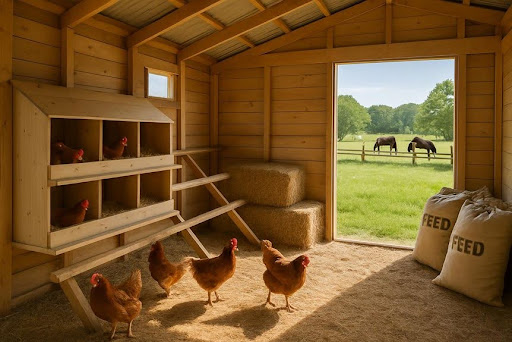
Nutritional mismanagement in backyard flocks and private stables contributes to preventable disease, reduced productivity, and shortened lifespans. Chickens and horses operate on fundamentally different digestive physiology, demanding species-specific dietary approaches. A laying hen’s calcium demands bear no resemblance to a horse’s fermentable fiber requirements. Understanding these distinctions is not optional for serious animal keepers. The evidence behind building ideal diets for both species reveals several critical, and frequently overlooked, feeding principles.
Nutritional Foundations for Chickens and Horses
Chickens and horses share six fundamental nutritional categories, water, carbohydrates, proteins, fats, vitamins, and minerals, yet their physiological differences demand distinct dietary strategies. Chickens, as monogastric omnivores, require high-density amino acid profiles and precise vitamin content, particularly vitamins A, D3, and B-complex, to support rapid growth, egg production, and immune function.
Horses, as hindgut fermenters, rely primarily on structural carbohydrates from forage, with cecal microbiota converting fibrous material into volatile fatty acids for energy.
Both species require adequate trace minerals, including zinc, selenium, copper, and manganese, though ideal concentrations differ considerably. Selenium deficiency, for example, produces white muscle disease in horses and exudative diathesis in chickens. Protein requirements also diverge substantially; broiler chickens may need diets exceeding 20% crude protein, whereas mature horses typically require only 8–10%. Matching nutrient delivery to species-specific physiology remains central to productive and healthy livestock management.
What Laying Hens Need in Their Daily Diet
Laying hens require a carefully balanced diet to sustain consistent egg production, as the physiological demands of producing one egg approximately every 24–26 hours place considerable strain on metabolic and skeletal resources. Commercial layer feeds typically contain 15–18% crude protein, 3.5–4.5% calcium, and approximately 0.35–0.45% available phosphorus to support eggshell mineralization and tissue repair.
Balanced nutrient ratios are critical, as calcium deficiencies accelerate skeletal demineralization, while excess protein elevates urinary nitrogen output and feed costs without productive benefit. Vitamin D₃ facilitates calcium absorption, making supplementation essential in confined systems with limited ultraviolet exposure.
Energy requirements average 280–320 kcal of metabolizable energy daily, varying with body weight, ambient temperature, and production rate. Foraging opportunities supplement dietary intake with invertebrates, seeds, and plant matter, contributing micronutrients and behavioral enrichment that positively influence feed efficiency and overall flock productivity.
Calcium, Protein, and the Right Supplements for Chickens
Calcium stands as the most quantitatively demanding mineral in layer nutrition, with a single eggshell requiring approximately 2.0–2.2 grams of calcium deposited within a 16–20 hour formation window. Layer diets typically require 3.5–4.5% dietary calcium, sourced from limestone or oyster shell. Coarse-particle calcium sources improve retention by slowing gizzard passage, extending calcium availability during nocturnal shell calcification. Many poultry keepers rely on formulated chicken layer pellets to deliver these precise nutrient ratios consistently throughout the laying cycle.
Protein requirements for laying hens range from 15–18% crude protein, with methionine and lysine serving as primary limiting amino acids. Inadequate nutrient ratios between calcium and phosphorus, optimally maintained near 4:1, compromise bone integrity and shell quality simultaneously.
Feed quality directly influences productive performance; mycotoxin contamination or ingredient oxidation degrades bioavailability regardless of formulated nutrient levels. Supplemental vitamin D₃ remains essential for intestinal calcium absorption, while trace minerals including manganese and zinc support shell matrix formation and membrane integrity.
What Horses Need in Their Daily Diet
Horses, as hindgut fermenters, derive the majority of their digestible energy from microbial fermentation of structural carbohydrates within the cecum and large colon, making forage the nutritional cornerstone of any sound equine diet. High-quality hay or pasture should constitute approximately 1.5–2% of body weight daily, supplying fiber, volatile fatty acids, and essential micronutrients.
Concentrated feeds, grains or commercially formulated pellets, supplement energy requirements during periods of elevated metabolic demand, such as intense training or gestation. Many owners incorporate specialized rations such as Tribute horse feed to provide balanced energy, amino acids, and micronutrients tailored to different performance levels and life stages. Protein quality, particularly lysine and threonine availability, warrants equal consideration alongside caloric density.
Optimal water intake, typically ranging from 5–10 gallons daily depending on environmental temperature and workload, is critical for cecal motility and colic prevention. Maintaining balanced electrolyte levels, specifically sodium, potassium, and chloride, supports neuromuscular function and fluid homeostasis, particularly following sweat-induced losses during sustained physical exertion.
Hay, Grain, and the Right Ratio for Horses
Forage-to-concentrate ratios in equine nutrition directly influence gastrointestinal health, metabolic stability, and overall performance outcomes. Research consistently supports a minimum forage intake of 1.5–2% of body weight daily, prioritizing fiber content to sustain hindgut microbial populations and reduce ulcer risk.
High-quality grass or legume hay should constitute the dietary foundation, with grain supplementation reserved for horses experiencing elevated energy demands, such as performance or lactating animals.
Calorie management becomes critical when integrating concentrates, as excessive starch intake elevates insulin response and increases laminitis susceptibility. A forage-to-concentrate ratio of 70:30 or higher is generally recommended for most horses, while sedentary animals may require forage-only regimens.
Owners and nutritionists should evaluate individual body condition scores, workload, and metabolic history when calibrating grain inclusion rates, ensuring dietary precision rather than generalized supplementation protocols.
Foods That Harm Chickens and Horses
While optimizing forage-to-concentrate ratios establishes a productive framework for equine dietary management, equal attention must be directed toward identifying feedstuffs that pose documented toxicological risks to both horses and chickens.
Toxic plants represent primary hazards; horses are susceptible to oleander, red maple, and black walnut, which induce cardiovascular collapse, hemolytic anemia, and laminitis, respectively. Chickens demonstrate vulnerability to avocado, which contains persin, a fungicidal toxin causing myocardial necrosis and respiratory distress.
Worrisome feed additives compound these risks considerably. Monensin, an ionophore antibiotic commonly incorporated into cattle and poultry feeds, is profoundly cardiotoxic to horses, with lethal thresholds documented below 2–3 mg/kg body weight. Chickens are adversely affected by excessive dietary copper supplementation, which induces hepatotoxicosis at concentrations tolerated by other livestock species. Consistent ingredient label verification and species-specific feed procurement protocols remain essential strategies for mitigating inadvertent exposure to these documented dietary hazards.
Feed Upgrades That Deliver Real Health Results
Several evidence-based feed upgrades have demonstrated measurable improvements in equine and poultry health outcomes when implemented systematically. Substituting refined grains with whole, minimally processed alternatives reduces glycemic load in horses, thereby mitigating insulin dysregulation risk. Incorporating omega-3 fatty acid sources, such as flaxseed and fish meal, achieves balanced fat composition, supporting anti-inflammatory pathways in both species.
Gut health optimization is reliably achieved through strategic probiotic and prebiotic supplementation. Research confirms that Lactobacillus-based additives stabilize cecal microbiota in poultry, reducing pathogenic colonization and improving feed conversion ratios. Equine hindgut function similarly benefits from fermentable fiber sources, including beet pulp and timothy hay, which sustain beneficial microbial populations.
Mineral bioavailability is enhanced through chelated supplement forms, outperforming inorganic counterparts in absorption efficiency. Collectively, these targeted interventions produce quantifiable improvements in immune competence, reproductive performance, and overall metabolic stability across both livestock categories.