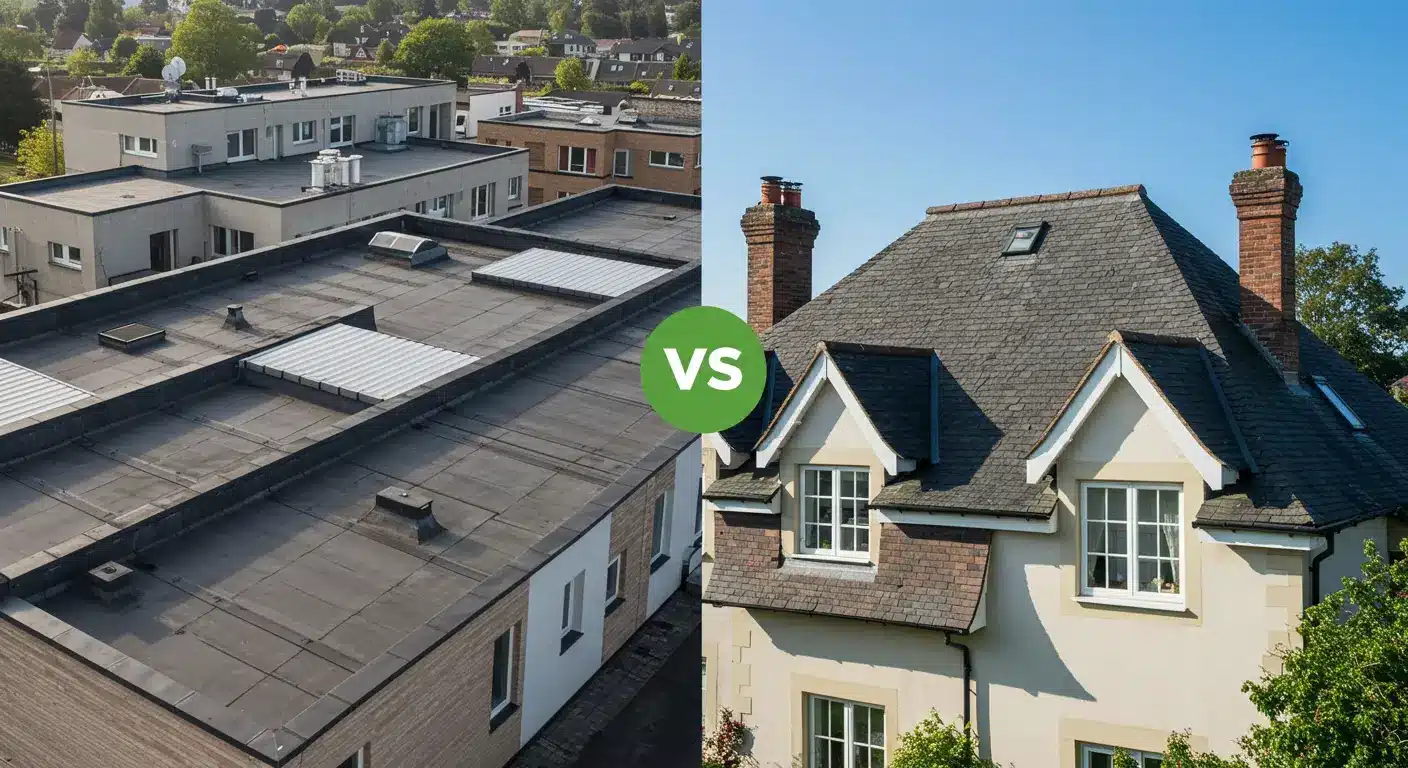
Flat roofing has become an increasingly popular choice in modern construction due to its sleek appearance, practical benefits, and cost-effectiveness. Unlike traditional pitched roofs, flat roofs offer a contemporary aesthetic while providing additional usable space that can be adapted for various purposes. Whether used in residential or commercial buildings, flat roofing systems are designed to deliver durability, energy efficiency, and versatility when installed and maintained correctly. Understanding the structure, materials, and maintenance requirements of flat roofing is essential for homeowners looking to make informed decisions about their property.
A flat roof is not entirely flat but has a slight slope to allow water drainage, preventing pooling and potential damage. This subtle design ensures that water flows toward drainage systems, reducing the risk of leaks and structural issues. While flat roofs may appear simple in design, their construction requires careful planning and the use of specialized materials to ensure long-term performance and resistance to environmental factors.
Understanding Flat Roofing Systems
Flat roofing systems are designed with multiple layers that work together to provide protection against weather, temperature changes, and moisture. These layers typically include a structural deck, insulation, waterproof membrane, and protective surface. Each component plays a crucial role in ensuring the roof’s durability and efficiency.
The waterproof membrane is particularly important, as it acts as the primary barrier against water infiltration. Common materials used for flat roofing membranes include EPDM rubber, TPO, and PVC, each offering unique advantages in terms of flexibility, durability, and resistance to UV rays. The choice of material depends on factors such as climate, budget, and maintenance preferences.
In addition to the membrane, insulation is a key component of flat roofing systems. Proper insulation helps regulate indoor temperatures, reducing energy consumption and improving overall comfort. By minimizing heat transfer, insulated flat roofs contribute to energy efficiency and lower utility costs.
Advantages of Flat Roofing
Flat roofing offers several advantages that make it an attractive option for homeowners and property developers. One of the most significant benefits is the efficient use of space. Unlike sloped roofs, flat roofs can be utilized for various purposes, such as rooftop gardens, outdoor seating areas, or even solar panel installations. This added functionality enhances the overall value and usability of the property.
Another advantage is cost-effectiveness. Flat roofing systems generally require fewer materials and less labor compared to pitched roofs, making them a more affordable option. Maintenance and repairs are also typically easier and less expensive, as the flat surface allows for easier access.
The modern aesthetic of flat roofing is another appealing feature. Clean lines and minimalist design make flat roofs a popular choice for contemporary architecture. They complement modern homes and commercial buildings, creating a sleek and sophisticated appearance.
Common Materials Used in Flat Roofing
Choosing the right material is essential for ensuring the longevity and performance of a flat roof. Several materials are commonly used, each with its own set of benefits and considerations.
EPDM rubber roofing is known for its durability and flexibility. It is resistant to extreme weather conditions and can last for decades with proper maintenance. TPO roofing is another popular option, offering excellent energy efficiency and resistance to UV radiation. PVC roofing is valued for its strength and resistance to chemicals, making it suitable for both residential and commercial applications.
Built-up roofing, which consists of multiple layers of bitumen and reinforcing fabrics, is a traditional option that provides excellent waterproofing and durability. Modified bitumen roofing, a variation of built-up roofing, offers enhanced flexibility and ease of installation.
By selecting the appropriate material based on your specific needs, you can ensure that your flat roofing system performs effectively over the long term.
Installation Process and Key Considerations
The installation of a flat roofing system requires precision and expertise. Proper preparation of the roof deck is essential to ensure a stable and secure foundation. The surface must be clean, dry, and free of any defects that could affect the performance of the roofing system.
Once the deck is prepared, insulation is installed to improve energy efficiency. The waterproof membrane is then applied, either through adhesive, mechanical fastening, or heat welding, depending on the material used. Ensuring proper sealing of seams and edges is critical to prevent water infiltration.
Drainage is another important consideration in flat roofing. Properly designed drainage systems, including gutters and downspouts, help prevent water accumulation and reduce the risk of leaks. Without adequate drainage, even the most durable roofing materials can fail over time.
Maintenance and Longevity
Regular maintenance is essential for extending the lifespan of a flat roof. While flat roofing systems are designed to be durable, they are more susceptible to water pooling and debris accumulation compared to sloped roofs. Routine inspections can help identify potential issues early, allowing for timely repairs and preventing more extensive damage.
Cleaning the roof surface, removing debris, and ensuring that drainage systems are functioning properly are key maintenance tasks. Inspecting seams, flashing, and the membrane for signs of wear or damage can help maintain the integrity of the roof.
With proper care and maintenance, flat roofing systems can last for many years, providing reliable protection and performance. Neglecting maintenance, however, can lead to issues such as leaks, mold growth, and structural damage.
Energy Efficiency and Environmental Benefits
Flat roofing systems can contribute significantly to energy efficiency and environmental sustainability. Reflective roofing materials, such as TPO and PVC, help reduce heat absorption, keeping buildings cooler and reducing the need for air conditioning. This can lead to lower energy consumption and reduced utility costs.
Green roofs, which involve the installation of vegetation on the roof surface, are another innovative option for flat roofing. These systems provide insulation, improve air quality, and reduce urban heat island effects. They also create a visually appealing and environmentally friendly space.
Solar panels can also be easily installed on flat roofs, taking advantage of the unobstructed surface to maximize energy production. By incorporating these features, flat roofing can play a role in creating a more sustainable and energy-efficient home.
Common Challenges and How to Address Them
While flat roofing offers many benefits, it also comes with certain challenges that must be addressed to ensure optimal performance. One of the most common issues is water pooling, which can occur if the roof is not properly sloped or if drainage systems are inadequate. Regular maintenance and proper design can help prevent this problem.
Another challenge is the potential for leaks, particularly at seams and joints. Ensuring proper installation and using high-quality materials can reduce the risk of leaks. Regular inspections and timely repairs are also essential for maintaining the integrity of the roofing system.
Thermal expansion and contraction can also affect flat roofing materials, leading to cracks or damage over time. Choosing flexible materials and ensuring proper installation can help mitigate these effects.
Hiring Professionals vs. DIY Installation
Installing a flat roofing system is a complex process that typically requires professional expertise. Experienced contractors have the knowledge and tools needed to ensure proper installation, minimizing the risk of errors and ensuring compliance with building codes.
While some homeowners may consider a DIY approach to save costs, it is important to recognize the challenges and risks involved. Improper installation can lead to costly repairs and reduced lifespan of the roof. For most projects, hiring professionals is the best option to ensure a high-quality result.
Long-Term Value of Flat Roofing
Investing in a flat roofing system offers long-term benefits in terms of durability, energy efficiency, and property value. A well-installed and properly maintained flat roof can provide reliable protection for many years, reducing the need for frequent repairs or replacements.
In addition to functional benefits, flat roofing enhances the aesthetic appeal of a property, particularly for modern architectural designs. The ability to utilize the roof space for additional purposes further increases its value, making it a practical and versatile choice for homeowners.
Final Thoughts
Flat roofing is a modern and efficient solution that combines functionality, affordability, and style. By understanding the components, materials, and maintenance requirements of flat roofing systems, homeowners can make informed decisions that ensure long-term performance and satisfaction.
While the installation process requires careful planning and expertise, the benefits of flat roofing make it a worthwhile investment. From energy efficiency and durability to additional usable space, flat roofing offers a range of advantages that enhance both the comfort and value of a property. With proper care and attention, a flat roof can serve as a reliable and attractive feature for years to come.