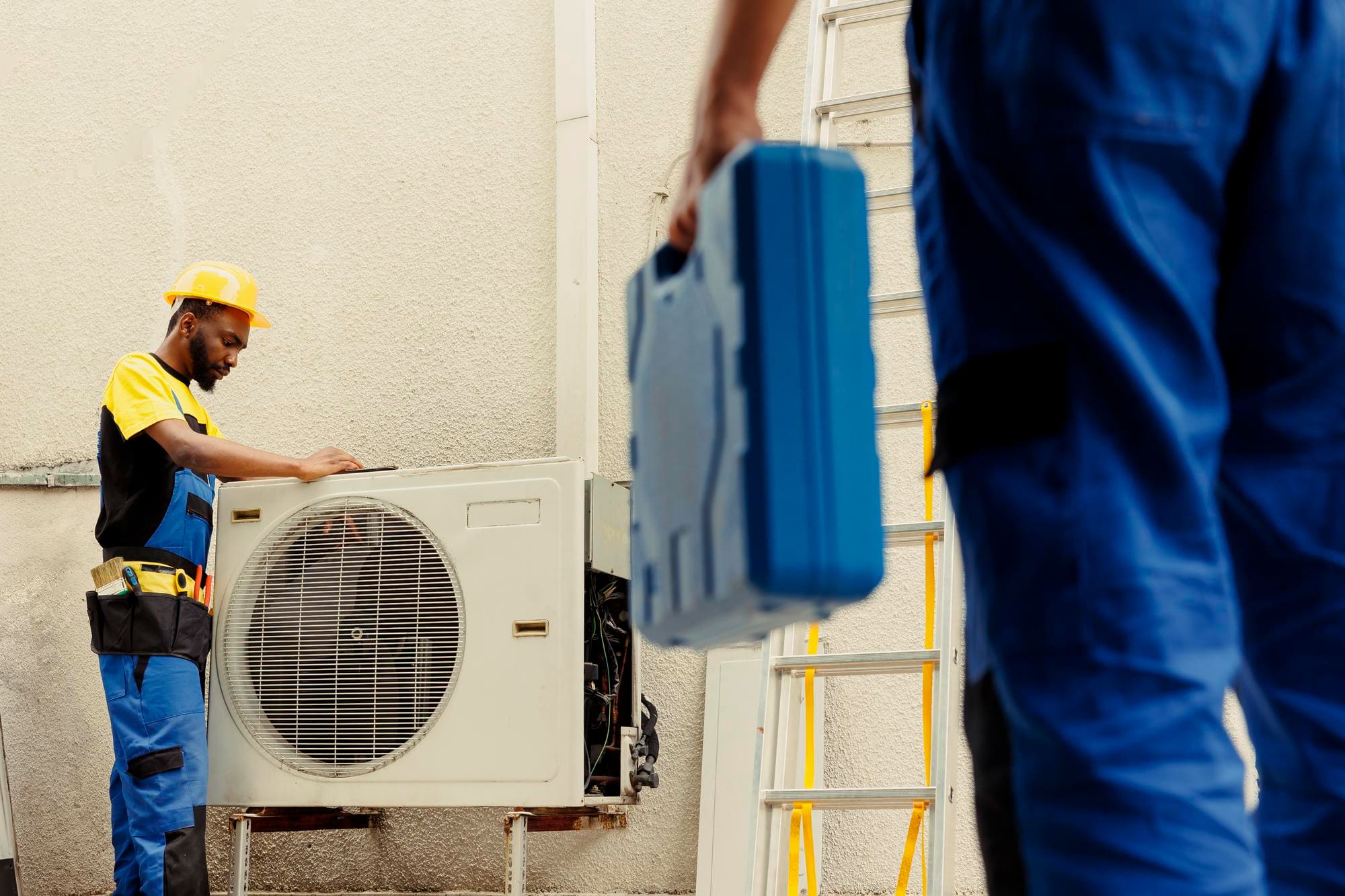
HVAC installation is one of the most critical components of building management, ensuring that heating, ventilation, and air conditioning systems function efficiently, safely, and reliably. A properly installed HVAC system affects not only the comfort of occupants but also the operational costs, energy efficiency, and longevity of the equipment. In residential, commercial, and industrial settings, the process of HVAC installation involves careful planning, precise measurements, and adherence to regulatory standards to achieve optimal performance. While HVAC systems are often thought of simply as units that provide temperature control, the reality is that they are complex networks of mechanical, electrical, and electronic components that must work in harmony to deliver consistent, efficient climate control. Mistakes during installation can lead to system inefficiencies, frequent maintenance issues, higher energy consumption, and shortened equipment lifespan, making professional installation a critical investment for building owners and managers.
At its core, HVAC installation is about balancing technical precision with practical application. It requires a thorough understanding of the building’s structural layout, insulation properties, airflow patterns, and occupancy levels to determine the appropriate system design and equipment specifications. Heating components, such as furnaces, heat pumps, or boilers, must be selected based on the size of the area to ensure adequate warmth without unnecessary energy consumption. Ventilation systems must provide continuous airflow and maintain indoor air quality by removing pollutants and controlling humidity, while air conditioning units must cool spaces effectively without overloading electrical systems or creating uneven temperature distribution. Every aspect of HVAC installation, from ductwork layout to refrigerant management and electrical connections, contributes to the overall efficiency, safety, and comfort of the system, highlighting the importance of meticulous planning and execution.
Understanding HVAC Systems
An HVAC system integrates heating, ventilation, and air conditioning into a cohesive unit designed to regulate indoor climate conditions. Each component plays a vital role: heating systems generate warmth during cold months, ventilation ensures the circulation of fresh air while removing contaminants, and air conditioning systems remove excess heat and humidity. A well-designed and properly installed HVAC system ensures that these components function seamlessly, providing balanced temperatures and high-quality indoor air.
The interaction between these components requires careful planning during installation. For example, poorly designed ductwork can create hot and cold spots, increase energy consumption, and put undue strain on equipment. Incorrect sizing of heating or cooling units can lead to short cycling, excessive wear, and reduced system lifespan. HVAC installation also involves integrating control systems, such as programmable or smart thermostats, to allow precise temperature management and energy optimization. By considering these factors during the design and installation process, building owners can ensure that HVAC systems perform efficiently and consistently, reducing long-term costs and maximizing occupant comfort.
Planning and Preparation for HVAC Installation
Proper planning is essential for successful HVAC installation. A comprehensive assessment of the building’s heating and cooling requirements, including load calculations, insulation quality, and anticipated occupancy patterns, lays the foundation for system design. Accurate load calculations determine the necessary capacity of the system, ensuring that it is neither undersized, which can result in inadequate temperature control, nor oversized, which can cause energy inefficiency and unnecessary wear on equipment.
Selecting the right type of HVAC system is another critical aspect of preparation. Options include central air systems with extensive duct networks, ductless mini-split systems for zoned control, or hybrid systems that integrate multiple technologies for maximum efficiency. Other considerations include energy-efficient components, such as variable-speed compressors, high-efficiency air filters, and energy recovery ventilators. In addition to system selection, planning involves coordinating with electricians, builders, and other trades to ensure proper electrical capacity, structural support, and adherence to local building codes. Proper preparation reduces the risk of errors, improves system performance, and ensures compliance with safety and environmental regulations.
Key Steps in HVAC Installation
HVAC installation is a multi-stage process that requires technical expertise, precision, and attention to detail. Each stage directly impacts the efficiency, safety, and longevity of the system.
Site Assessment and Measurement
Before installation, a thorough site assessment is conducted to evaluate the building’s layout, determine space requirements for equipment and ductwork, and identify optimal locations for heating and cooling units. Proper placement ensures efficient airflow, reduces energy loss, and provides convenient access for maintenance and repairs.
Equipment Placement and Mounting
Following assessment, the heating and cooling units, including furnaces, air handlers, heat pumps, condensers, and evaporator coils, are installed. Proper placement and secure mounting prevent vibration damage, optimize airflow, and allow sufficient clearance for maintenance. Positioning also considers noise reduction and accessibility, ensuring that the system operates quietly and safely.
Ductwork Installation
Ductwork serves as the network for distributing conditioned air throughout the building. Proper installation involves precise measurements, airtight sealing, insulation, and balancing to achieve uniform temperature distribution. Inefficient ductwork can cause air leakage, energy loss, uneven heating or cooling, and increased operational costs.
Electrical and Control Integration
HVAC systems require precise electrical connections and integration with control devices, such as thermostats or zoning systems. This stage ensures safe operation, compatibility with existing electrical infrastructure, and the functionality of automated or smart controls. Advanced systems allow for energy optimization, remote monitoring, and precise climate regulation across multiple zones.
Refrigerant Charging and Airflow Testing
For systems that include cooling, technicians charge the system with the correct type and amount of refrigerant, then test airflow, pressures, and temperature differentials. These steps are essential for ensuring efficient heat exchange, optimal cooling performance, and energy efficiency.
Final Inspection and Commissioning
The final stage involves inspecting the entire system to verify correct installation, safety compliance, and operational efficiency. Technicians perform tests, calibrate equipment, and provide building occupants with instructions for system use, maintenance, and troubleshooting. Commissioning ensures that the system performs as designed and extends the lifespan of equipment.
Benefits of Professional HVAC Installation
Professional HVAC installation ensures compliance with manufacturer specifications, building codes, and safety standards. Expert technicians bring the knowledge and experience required to select appropriate equipment, design ductwork efficiently, integrate controls, and manage refrigerants safely. Proper installation maximizes system efficiency, reduces energy consumption, and minimizes repair costs over time.
A professionally installed HVAC system provides consistent comfort, improved indoor air quality, and quiet operation. High-quality installation also maintains humidity levels, prevents air leakage, and supports filtration systems that remove pollutants, allergens, and airborne particles. Additionally, professional installation is often backed by warranties, protecting equipment and offering peace of mind to building owners.
Challenges in HVAC Installation
HVAC installation presents several challenges that require technical expertise and careful planning. Improper equipment sizing, poor duct design, and inadequate airflow management can compromise system efficiency and occupant comfort. Errors in electrical connections or refrigerant charging can create safety hazards and reduce equipment longevity. Compliance with environmental and energy efficiency regulations adds another layer of complexity, requiring installers to select equipment that meets standards such as ENERGY STAR certifications and environmentally friendly refrigerant usage.
Other considerations include the structural limitations of the building, the complexity of retrofitting older systems, and the integration of advanced technologies such as smart thermostats and zoning systems. Addressing these challenges during installation is essential to achieving long-term system reliability, energy savings, and optimal indoor comfort.
Maintenance and Longevity
The effectiveness of HVAC installation is measured not only by immediate performance but also by long-term durability. Routine maintenance, including filter replacement, duct inspection, coil cleaning, and system calibration, preserves efficiency and prevents breakdowns. Professional installers often provide guidance on maintenance schedules and service agreements, ensuring the system continues to operate at peak performance.
Properly installed and maintained HVAC systems deliver consistent comfort, minimize energy costs, and extend the lifespan of equipment. Incorporating smart sensors, programmable thermostats, and energy-efficient components further enhances performance and sustainability, allowing building occupants to optimize indoor climate control while reducing environmental impact.
Future Trends in HVAC Installation
The HVAC industry is rapidly evolving, with innovations in energy efficiency, sustainability, and smart technology shaping installation practices. Modern systems increasingly incorporate variable-speed compressors, advanced filtration, energy recovery ventilation, and integration with home automation systems. These technologies require professional expertise to ensure proper installation, calibration, and optimization.
Renewable energy integration, such as solar-assisted HVAC systems, is also gaining traction, allowing for reduced operational costs and a smaller environmental footprint. Professional installation is critical in ensuring these advanced systems function as intended, providing maximum efficiency, comfort, and sustainability.
Conclusion
HVAC installation is a complex and essential process that directly impacts comfort, energy efficiency, indoor air quality, and system longevity in residential, commercial, and industrial buildings. Proper planning, equipment selection, precise installation, and ongoing maintenance are key to achieving optimal performance and reliability. Professional installation ensures compliance with manufacturer specifications, safety standards, and local building codes, while addressing challenges such as system sizing, ductwork design, and advanced technology integration.
As the industry evolves, professional HVAC installation remains crucial to leveraging the benefits of energy-efficient, sustainable, and technologically advanced systems. By investing in proper installation and maintenance, building owners can enjoy reliable, comfortable, and safe indoor environments for years to come, while minimizing costs and maximizing the efficiency of their heating, ventilation, and air conditioning systems.