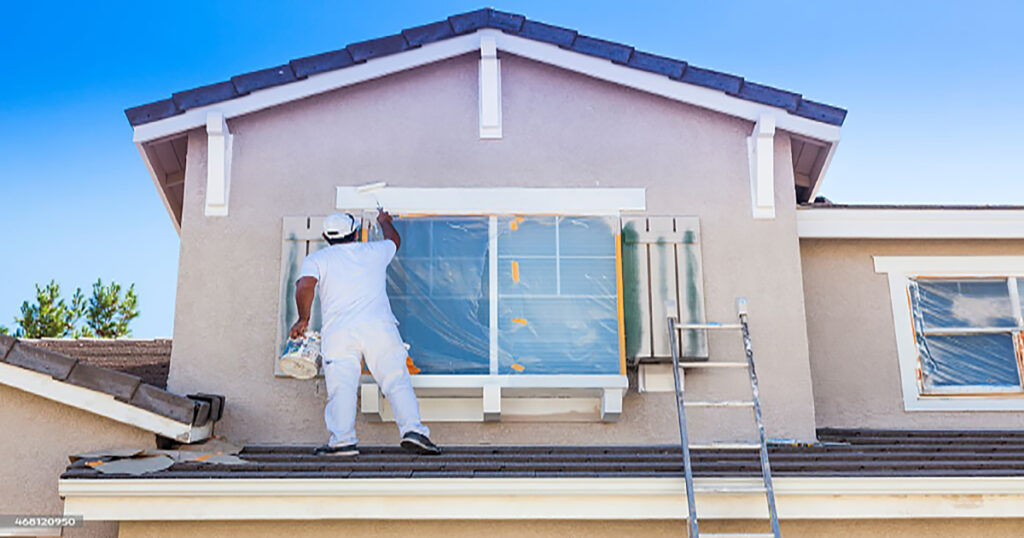
The exterior of any property is the first thing people notice. It creates an immediate impression, reflects personal style, and plays a vital role in protecting the structure from environmental elements. One of the most effective ways to enhance both the appearance and durability of a building is through exterior painting. This process is not just about aesthetics; it is a combination of craftsmanship, preparation, and the right materials working together to create long-lasting results.
The Importance of a Well-Painted Exterior
A well-maintained exterior does more than just look attractive it acts as a protective barrier against weather, moisture, and wear. Over time, surfaces are exposed to harsh sunlight, rain, wind, and temperature fluctuations, all of which can cause deterioration. Paint serves as a shield, preventing damage such as cracking, peeling, and rotting.
Exterior painting also contributes to property value. A fresh and professionally finished exterior can significantly increase curb appeal, making a property more attractive to visitors, buyers, or clients. It sends a message of care, quality, and attention to detail.
Surface Preparation: The Foundation of Quality
Before any paint is applied, proper surface preparation is essential. Skipping this step can lead to poor adhesion, uneven coverage, and a shorter lifespan for the paint job. Preparation begins with a thorough inspection of the exterior surfaces to identify issues such as cracks, mold, mildew, or peeling paint.
Cleaning is the next crucial step. Dirt, grime, and old paint residues must be removed to create a smooth and clean surface. Power washing is often used to achieve this effectively. After cleaning, repairs are made to fix any structural imperfections, ensuring the surface is ready for painting.
Priming is another key component of preparation. A high-quality primer helps the paint adhere better and provides a consistent base for color application. It also enhances durability and improves the overall finish.
Choosing the Right Paint and Materials
Selecting the appropriate paint for exterior surfaces is critical. Unlike interior paints, exterior paints are designed to withstand environmental challenges. They are formulated to resist fading, cracking, and moisture damage.
There are different types of exterior paints available, each with its own advantages. Acrylic paints are popular for their flexibility and resistance to weather conditions, while oil-based paints offer a durable and smooth finish. The choice depends on the surface material and the desired outcome.
Color selection is equally important. Lighter colors can reflect sunlight and keep surfaces cooler, while darker shades may absorb heat and create a bold appearance. The right color combination can enhance architectural features and create a harmonious look.
Techniques for a Professional Finish
Achieving a high-quality finish requires the right techniques and tools. Brushes, rollers, and sprayers each have their own uses, and choosing the right method depends on the surface and project size.
Brushes are ideal for detailed work and edges, while rollers are suitable for large, flat areas. Sprayers can provide a smooth and even coat, especially for large-scale projects. Applying multiple thin coats instead of one thick layer ensures better coverage and durability.
Timing also plays a significant role. Painting under the right weather conditions—moderate temperature and low humidity helps the paint dry properly and adhere effectively. Proper technique and timing work together to produce a flawless finish.
Weather and Environmental Considerations
The exterior environment greatly influences the success of a painting project. Temperature, humidity, and exposure to sunlight all affect how paint behaves. Extreme conditions can cause paint to dry too quickly or too slowly, leading to imperfections.
Planning the project around suitable weather conditions is essential. Mild temperatures and stable weather provide the best environment for painting. Additionally, choosing paints with weather-resistant properties ensures long-lasting protection.
Exterior painting must account for these environmental factors to achieve optimal results. Understanding how different conditions impact the process helps in making informed decisions.
Enhancing Durability and Longevity
Durability is a key goal of any exterior painting project. High-quality materials, proper preparation, and skilled application all contribute to a longer-lasting finish. Regular maintenance also plays a role in preserving the appearance and protective qualities of the paint.
Inspecting the exterior periodically allows for early detection of issues such as cracks or peeling. Addressing these problems promptly prevents further damage and extends the life of the paint job. Cleaning surfaces and performing minor touch-ups can keep the exterior looking fresh for years.
Investing in quality from the start reduces the need for frequent repainting, saving time and money in the long run.
Safety and Professional Expertise
Painting the exterior of a building often involves working at heights and handling specialized equipment. Safety is a major consideration, especially for multi-story structures. Proper use of ladders, scaffolding, and protective gear is essential to prevent accidents.
Professional painters are trained to handle these challenges safely and efficiently. They have the experience and tools needed to complete projects with precision and care. Hiring experts ensures that the work is done correctly while minimizing risks.
While DIY projects can be appealing, exterior painting requires a level of skill and knowledge that professionals bring to the table. Their expertise can make a significant difference in the final outcome.
Environmental Responsibility in Painting
Modern painting practices are increasingly focused on sustainability. Eco-friendly paints with low or zero volatile organic compounds (VOCs) are becoming more widely available. These paints reduce environmental impact and improve air quality.
Proper disposal of leftover materials and responsible use of resources are also important aspects of environmentally conscious painting. Choosing sustainable options not only benefits the environment but also creates a healthier living space.
Incorporating eco-friendly practices into exterior painting projects reflects a commitment to both quality and responsibility.
Customization and Design Possibilities
Exterior painting offers endless opportunities for creativity. From classic color schemes to bold and modern designs, the possibilities are vast. Accent features, trims, and textures can add depth and character to a property.
Coordinating colors with architectural elements such as roofs, doors, and windows creates a cohesive and visually appealing look. Thoughtful design choices can highlight unique features and enhance the overall aesthetic.
Customization allows property owners to express their style while maintaining harmony with the surrounding environment. A well-designed exterior can stand out while still feeling balanced and inviting.
Cost Considerations and Value
The cost of an exterior painting project can vary depending on factors such as the size of the property, the type of paint used, and the level of preparation required. While it may seem like a significant investment, the benefits often outweigh the costs.
A high-quality paint job adds value to the property, improves its appearance, and provides long-term protection. It reduces the need for repairs and maintenance, making it a cost-effective solution over time.
Budgeting for quality materials and skilled labor ensures that the project delivers lasting results. Cutting corners may lead to additional expenses in the future.
Final Thoughts
Exterior painting is a powerful way to enhance the beauty, durability, and value of any property. It is a process that requires careful planning, proper preparation, and skilled execution. From selecting the right materials to applying the paint with precision, every step contributes to the final result.
By investing in quality and paying attention to detail, property owners can achieve a finish that not only looks impressive but also stands up to the challenges of the environment. Whether the goal is to refresh an aging exterior or create a completely new look, the impact of a well-executed painting project is undeniable.
In the end, a thoughtfully completed exterior painting project is more than just an upgrade it is a transformation that enhances both the appearance and longevity of a property, making it a worthwhile and rewarding investment.