Windows are one of the most essential components of any building, serving not only as a source of natural light and ventilation but also as a critical element in energy efficiency, security, and aesthetic appeal. Proper window installation ensures that these benefits are fully realized, while poor installation can lead to issues such as air and water leaks, higher energy bills, and structural damage. Whether renovating an existing space or constructing a new building, understanding the importance of professional window installation and the factors involved is crucial for long-term satisfaction and performance.
Modern window systems are designed to meet high standards of durability, thermal efficiency, and design versatility. From double- and triple-pane energy-efficient glass to advanced framing materials, there are numerous options available to meet the unique needs of homeowners and commercial property owners. However, even the highest-quality windows can fail to deliver their full potential if they are not installed correctly. Professional window installation ensures that the windows fit perfectly, seal effectively, and operate smoothly, providing lasting comfort and performance.
Understanding the Importance of Proper Window Installation
Window installation is more than simply placing a window in an opening. It involves careful preparation, precise measurements, proper sealing, and alignment to ensure that the unit functions as intended. Improper installation can result in air and water infiltration, leading to energy loss, mold growth, and damage to interior walls, floors, and furnishings. Leaks can also compromise the structural integrity of the building over time, causing costly repairs and reducing property value.
Professional window installation addresses these potential issues by following industry standards and manufacturer guidelines. Expert installers ensure that every component, including flashing, insulation, and weatherstripping, is properly integrated into the building envelope. This attention to detail not only enhances energy efficiency but also improves comfort, reduces noise infiltration, and prevents common problems associated with poorly installed windows.
Key Steps in Window Installation
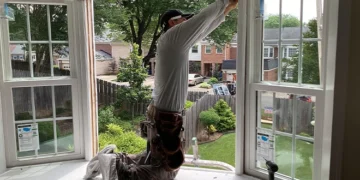
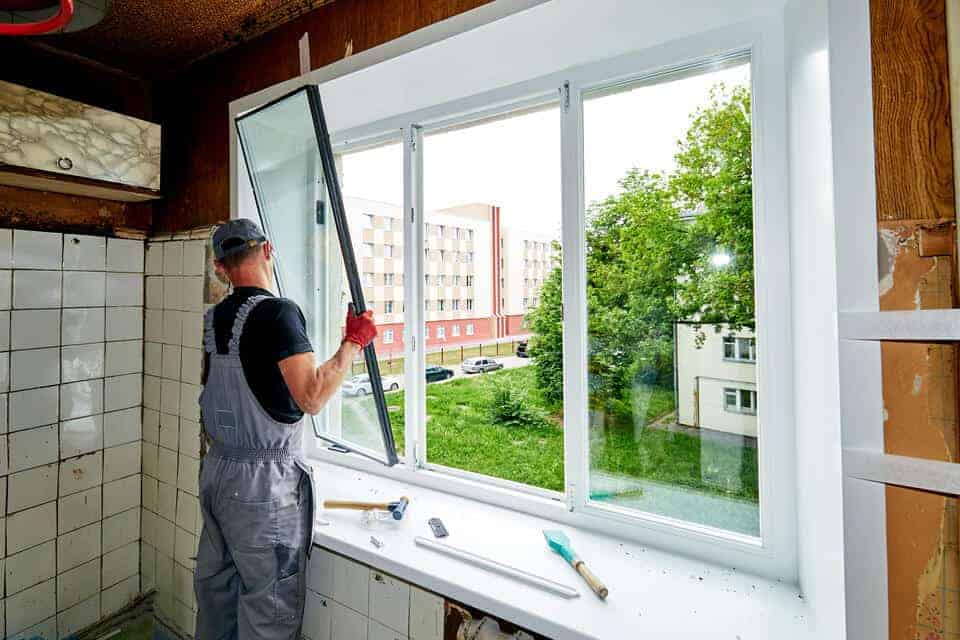
The process of window installation involves several critical steps, each designed to ensure a secure, efficient, and long-lasting result. The first step is proper measurement and preparation of the window opening. Accurate measurements are essential to ensure that the new window fits snugly without gaps or misalignment. Any damage to the surrounding structure, such as rotted wood or compromised framing, must be repaired before installation.
Next, the installer prepares the window for placement, ensuring that flashing and insulation are in place to prevent leaks and improve energy efficiency. The window is then carefully positioned within the opening and secured according to manufacturer guidelines. Proper sealing around the perimeter using caulk, weatherstripping, or foam insulation ensures that the unit is airtight and watertight. Finally, the installation is tested to verify smooth operation, correct alignment, and effective sealing. Professional window installation guarantees that these steps are performed meticulously, providing reliable performance and peace of mind.
Benefits of Professional Window Installation
The advantages of professional window installation extend far beyond simply fitting a new unit into an opening. One of the primary benefits is improved energy efficiency. Well-installed windows prevent drafts and heat transfer, reducing heating and cooling costs and improving indoor comfort. Modern energy-efficient windows, when paired with precise installation, can significantly decrease energy consumption and contribute to a more sustainable home or building.
Durability and long-term performance are other key benefits. Professional installers use high-quality materials and techniques that protect against warping, water damage, and structural stress. Properly installed windows are less likely to develop operational issues, such as sticking sashes, broken locks, or misaligned frames, reducing the need for maintenance and repairs. Aesthetic appeal is also enhanced, as windows that are correctly installed sit flush, align perfectly with surrounding structures, and complement the architectural design of the property. This combination of efficiency, durability, and beauty makes professional window installation a wise investment.
Types of Windows and Their Installation Considerations
Window installation techniques can vary depending on the type of window being installed. Common types include single-hung, double-hung, casement, sliding, bay, and picture windows, each with unique operational mechanisms and design requirements. For example, casement windows, which open outward with a crank, require precise alignment to ensure smooth operation and an airtight seal. Bay and bow windows involve complex framing and support systems that must be carefully constructed to handle the weight and maintain structural integrity.
Energy-efficient windows, such as double- or triple-pane units with low-emissivity coatings, require special handling to preserve the insulating properties of the glass. Proper installation of these windows ensures that thermal performance is maximized, condensation is minimized, and the lifespan of the unit is extended. Professional window installation expertise ensures that each type of window is installed according to its specific design and performance requirements.
Common Mistakes to Avoid During Window Installation
Improper window installation can lead to a variety of problems that compromise performance and durability. One of the most frequent mistakes is incorrect measurement, which can result in gaps, uneven alignment, and operational difficulties. Poor sealing is another common issue, allowing air and water to infiltrate the building envelope, causing energy loss and potential damage to interior structures.
Other mistakes include inadequate flashing, improper use of insulation materials, and failure to account for building movement or settling. These errors can lead to drafts, leaks, and structural stress over time. Choosing professional window installation services minimizes the risk of these problems, as trained technicians follow industry standards and best practices to ensure long-lasting results.
Maintenance Tips for Installed Windows
While professional installation ensures optimal performance, proper maintenance is essential to preserve the functionality and appearance of windows. Routine cleaning of glass surfaces, frames, and tracks prevents dirt and debris buildup that can affect operation. Inspecting seals, caulk, and weatherstripping regularly helps identify potential issues before they escalate into leaks or drafts.
Lubricating moving parts, such as hinges, locks, and sliding tracks, ensures smooth operation and prevents wear. For energy-efficient windows, it is important to monitor for condensation between panes, which may indicate a seal failure. Regular maintenance, combined with professional installation, helps maximize the lifespan and performance of windows, providing consistent comfort and aesthetic appeal.
Energy Efficiency and Sustainability
One of the primary considerations for modern window installation is energy efficiency. Properly installed, energy-efficient windows reduce heat transfer, prevent drafts, and improve insulation, resulting in lower heating and cooling costs. Low-emissivity coatings, argon or krypton gas fills, and thermally broken frames further enhance performance. Professional window installation ensures that these features function correctly, allowing homeowners to enjoy long-term energy savings and a reduced environmental footprint.
Additionally, sustainable building practices often prioritize high-performance windows to meet energy codes and green building standards. Proper installation supports these goals by ensuring that the building envelope is sealed, insulated, and free from thermal bridges, contributing to overall energy efficiency and sustainability.
Enhancing Home Comfort and Security
Beyond energy efficiency and aesthetics, proper window installation enhances indoor comfort and security. Well-sealed windows prevent drafts and cold spots, maintain consistent indoor temperatures, and reduce noise infiltration from outside sources. Security features, such as reinforced glass, secure locking mechanisms, and tamper-resistant frames, further protect the property from break-ins and potential damage.
Professional installation ensures that all safety and security features are integrated correctly, providing peace of mind to homeowners. The combination of comfort, protection, and visual appeal makes window installation a critical investment in both the functionality and value of a property.
Conclusion
Window installation is a crucial aspect of building design and maintenance, impacting energy efficiency, comfort, aesthetics, and property value. Properly installed windows provide consistent performance, reduce energy consumption, and enhance the overall appeal of a home or commercial building. Whether selecting modern energy-efficient units, traditional designs, or specialty windows, professional window installation ensures that each component is correctly aligned, sealed, and optimized for long-term performance.
Routine maintenance complements professional installation, preserving the operation, appearance, and efficiency of windows for years to come. By investing in high-quality windows and professional installation services, property owners can enjoy enhanced comfort, reduced energy costs, improved security, and the lasting beauty of a well-designed building envelope.