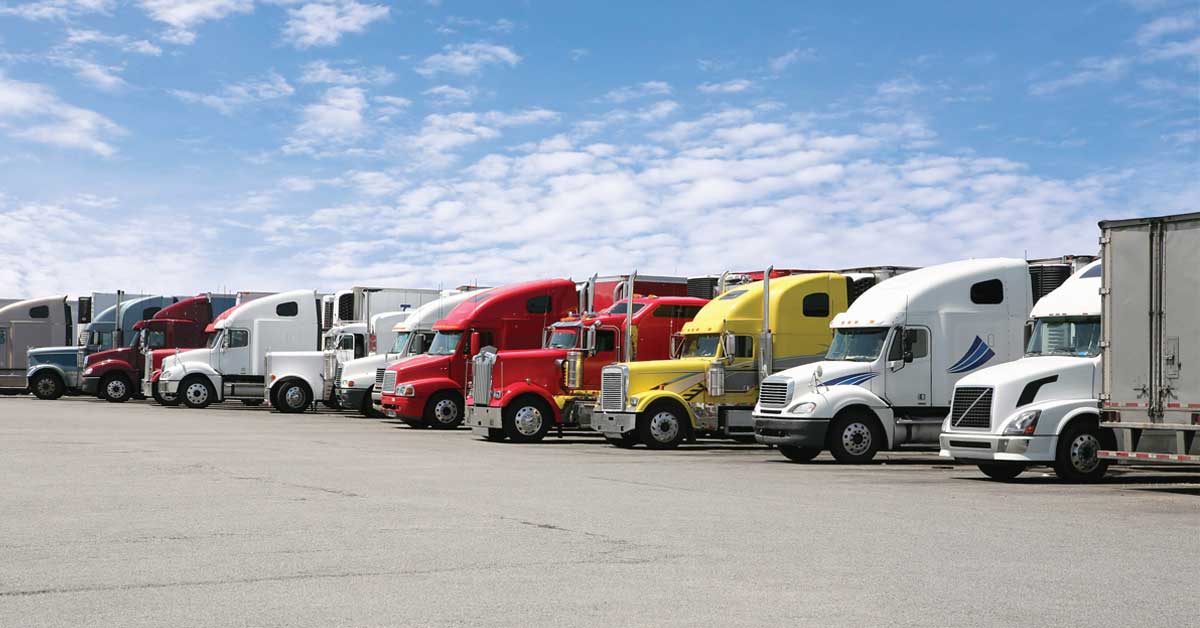
The transportation and logistics industry relies heavily on trucks to move goods across long distances efficiently. Among these, the 18-wheeler, also called a semi-truck or tractor-trailer, is a cornerstone of freight operations due to its capacity and versatility. Yet, one of the most overlooked aspects of large truck management is 18 wheeler parking. Proper parking solutions are crucial not only for driver convenience but also for operational safety, compliance with regulations, and overall efficiency of the logistics network.
Parking an 18-wheeler is far more complex than parking a standard vehicle. These massive vehicles require significant space to maneuver, align, and park safely. Drivers must account for multiple factors, including trailer length, turning radius, adjacent vehicles, and limited visibility. Inefficient or poorly designed parking areas can lead to accidents, damage to property, and delays in cargo handling. Therefore, understanding and implementing effective 18 wheeler parking strategies is essential for businesses and drivers alike.
Key Challenges in 18 Wheeler Parking
The first major challenge in 18 wheeler parking is space allocation. Standard parking spaces for passenger cars are inadequate for a vehicle that can exceed 70 feet in length. Large trucks require specialized parking areas with wider lanes, extended parking bays, and sufficient turning radii. Without these considerations, drivers risk misalignment, collisions, or blocking other vehicles, which can slow down operations significantly.
Visibility is another significant challenge. Due to the height and length of 18-wheelers, blind spots are extensive. Drivers often cannot see low-lying obstacles or vehicles near the sides or rear of the trailer. Parking in crowded or busy areas further increases the risk of accidents. Clearly marked lanes, reflective indicators, and guidance systems are essential for reducing risks and ensuring safer 18 wheeler parking.
Traffic congestion around loading docks, fuel stations, or rest areas is also a concern. When multiple trucks attempt to park simultaneously in limited space, careful coordination is required. Mismanaged parking can lead to bottlenecks, delivery delays, and driver frustration. Well-planned scheduling and designated waiting areas can prevent these issues and improve the overall flow of operations.
Design Principles for Efficient Parking
Designing parking spaces for 18-wheelers goes beyond simply providing large open areas. Several factors contribute to functional and safe parking. One of the most important is lane width. Typical passenger vehicle lanes are around 10–12 feet wide, which is insufficient for the turning radius of an 18-wheeler. For optimal safety, truck parking lanes should ideally be 20–24 feet wide, allowing for easy maneuvering and minimizing risk of collisions.
Parking orientation also matters. Angle parking is often preferred for large trucks, as it simplifies entry and exit maneuvers. It reduces the need for complex reversing and minimizes blind spot issues. Perpendicular parking may allow more vehicles in a limited area but can increase the difficulty of parking. Combining both types in a well-planned facility is often the most effective approach, reserving angle parking for high-traffic areas and perpendicular spaces for longer-term parking.
Surface quality is another critical consideration. Fully loaded 18-wheelers can weigh over 80,000 pounds, which requires reinforced asphalt or concrete surfaces to prevent cracking or deformation. Uneven surfaces, potholes, or debris not only damage vehicles but also create safety hazards. Investing in durable, well-maintained surfaces is crucial for effective 18 wheeler parking.
Safety Considerations in Parking Management
Safety is a top priority when it comes to 18 wheeler parking. Accidents involving large trucks can be severe due to their size and weight. Clear signage, adequate lighting, and visible lane markings are essential to prevent collisions. Reflective markers, barriers, and guidance systems help drivers navigate safely, especially in low-light or crowded conditions.
Fire safety is another key concern. Trucks carry large quantities of fuel and sometimes hazardous materials. Parking areas must provide adequate spacing between vehicles to reduce fire risk. Emergency access routes should be clearly marked to allow fire and rescue teams to respond quickly.
Driver fatigue also impacts safety. Long-haul drivers often spend many hours on the road and require rest periods. Safe, accessible parking areas allow drivers to park without stress, reducing accidents caused by fatigue or rushed maneuvers. Federal guidelines emphasize the need for rest areas that can accommodate large trucks, highlighting the importance of well-planned 18 wheeler parking facilities.
Technological Advancements in Truck Parking
Technology is transforming how 18-wheeler parking is managed. Sensor-based systems, automated parking solutions, and GPS integration can guide drivers accurately and efficiently into available spaces. These systems provide real-time feedback on distances, optimal angles, and parking availability, reducing human error and potential collisions.
Advanced parking management software allows fleet operators to monitor truck locations and optimize space usage. They can allocate spaces ahead of time, schedule high-traffic periods, and prevent congestion. Technology not only improves safety and operational efficiency but also enhances overall fleet management and planning.
Environmental and Operational Advantages
Efficient 18 wheeler parking contributes to both operational and environmental benefits. Reducing time spent maneuvering or idling while searching for parking minimizes fuel consumption and emissions. It also decreases congestion, reducing wear and tear on the parking facility and lowering maintenance costs.
Proper parking strategies streamline logistics operations, reducing delays in loading and unloading cargo. Scheduled parking, well-marked lanes, and effective space management allow for smoother traffic flow within logistics hubs. This not only increases productivity but also improves compliance with regulations, particularly regarding driving hours and rest periods for truck drivers.
Planning for the Future of Truck Parking
As the logistics industry continues to grow, the demand for safe and efficient 18 wheeler parking will increase. Future parking facilities will likely include automated entry systems, reservation-based allocations, and integration with broader smart transportation networks.
Sustainability will also become a key consideration. Parking lots may incorporate solar-powered lighting, permeable pavements, and electric truck charging stations, reducing environmental impact. These innovations enhance the functionality, safety, and appeal of parking areas, ensuring that large trucks can operate efficiently while supporting eco-friendly initiatives.
Conclusion
In conclusion, 18 wheeler parking is a vital component of modern logistics and transportation management. Properly designed parking areas improve safety, operational efficiency, and compliance while reducing environmental impact. From lane width and surface durability to technological integration and driver comfort, every element requires careful planning.
Investing in comprehensive strategies for 18 wheeler parking ensures that drivers can park safely and efficiently, logistics operations remain smooth, and long-term infrastructure supports the growing demand for freight transportation. Optimizing space, prioritizing safety, and incorporating technology are not optional they are essential for the success of large truck operations.