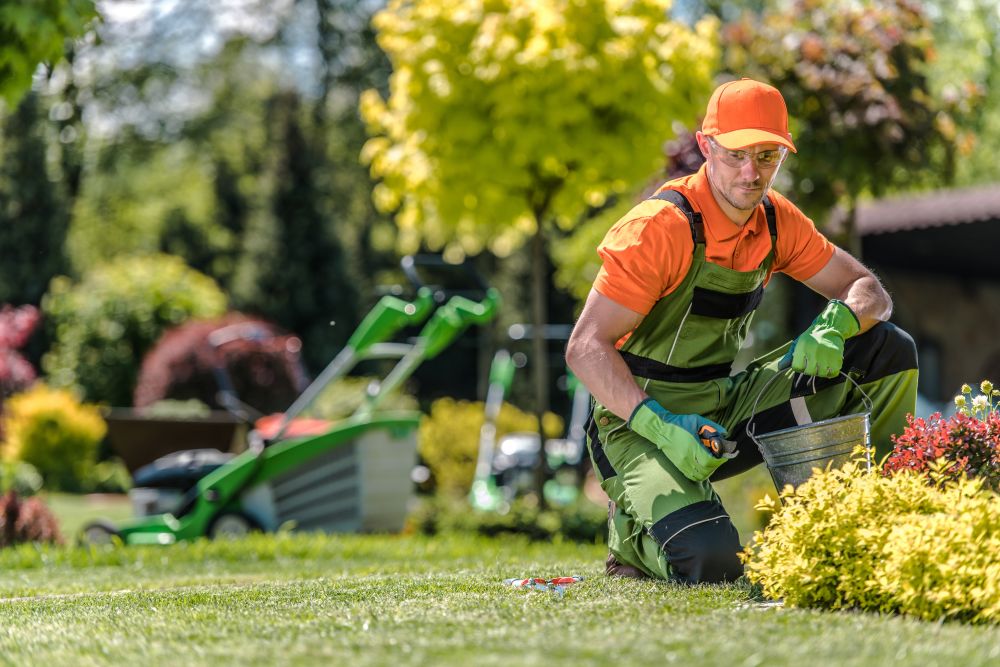
A well-maintained lawn is one of the most visible indicators of a property’s overall care and aesthetic appeal. Maintaining a healthy lawn requires more than occasional mowing or watering; it involves a systematic approach that balances soil health, plant nutrition, pest control, and proper landscaping techniques. Effective lawn maintenance is critical for both aesthetic and functional purposes, as a lush, green lawn enhances property value, provides recreational space, reduces soil erosion, and contributes to environmental benefits such as improved air quality and temperature regulation. By understanding the various aspects of lawn maintenance, property owners can create and sustain a vibrant yard that thrives throughout the seasons.
The Importance of Lawn Maintenance
The importance of lawn maintenance extends beyond visual appeal. Proper care of turfgrass and landscaping plants prevents weeds, pests, and diseases from taking hold, thereby ensuring the long-term health and functionality of outdoor spaces. A well-maintained lawn also improves drainage, prevents soil compaction, and creates a safe surface for recreational activities. Additionally, consistent lawn maintenance can save property owners significant time and money by reducing the likelihood of costly damage caused by neglect or improper care. Healthy lawns also contribute to environmental sustainability, as they absorb carbon dioxide, provide habitat for beneficial insects, and improve water filtration.
Core Components of Lawn Maintenance
Effective lawn maintenance requires attention to several interrelated components, including mowing, watering, fertilization, aeration, and pest management. Each of these elements plays a crucial role in maintaining the balance and health of the lawn.
Mowing and Trimming
Regular mowing is essential for the health and appearance of the lawn. Proper mowing encourages dense growth, prevents weed proliferation, and maintains an even surface. It is important to use a sharp mower blade to prevent tearing the grass, which can lead to disease or stress. The frequency of mowing depends on the type of grass and seasonal growth patterns, but as a general rule, only one-third of the grass height should be cut at a time. Trimming the edges of the lawn along pathways, flower beds, and driveways ensures a polished appearance and prevents grass from encroaching into areas where it is not desired.
Watering Techniques
Watering is a critical aspect of lawn maintenance, as both overwatering and underwatering can stress the grass and lead to long-term damage. Deep, infrequent watering is generally recommended to encourage deep root growth, which makes the lawn more resilient during dry periods. The best time to water is early in the morning or late in the evening to reduce evaporation and ensure the water penetrates the soil effectively. Proper watering techniques also help minimize fungal growth and disease, which are more likely to develop in constantly wet or poorly drained areas.
Fertilization and Soil Nutrition
Healthy soil is the foundation of a thriving lawn. Fertilization provides essential nutrients such as nitrogen, phosphorus, and potassium that promote growth, color, and resilience. Lawn maintenance should include periodic soil testing to determine nutrient deficiencies and guide the application of fertilizers. The type and timing of fertilizer application depend on the grass species, climate, and season. Balanced fertilization not only improves lawn health but also reduces the likelihood of weeds and pests taking hold. Organic fertilizers and compost can also be incorporated to enhance soil structure, microbial activity, and long-term sustainability.
Aeration and Thatch Management
Soil compaction and excessive thatch accumulation can restrict water, nutrient, and air flow to the grass roots. Lawn maintenance often involves periodic aeration, which creates small holes in the soil to allow better penetration of water, nutrients, and oxygen. Removing excess thatch, which is a layer of dead grass and organic material, also improves the lawn’s health by preventing disease, improving drainage, and encouraging new growth. Aeration and thatch management are particularly important for lawns that experience heavy foot traffic or clay-based soils, which are more prone to compaction.
Pest and Weed Control
Weeds and pests can significantly affect the health and appearance of a lawn if left unmanaged. Effective lawn maintenance includes monitoring for common pests such as grubs, ants, and fungal infections, and applying appropriate treatments when necessary. Integrated pest management approaches, which combine biological, mechanical, and chemical strategies, are recommended to minimize environmental impact while effectively controlling pests. Similarly, weed control requires consistent attention, including manual removal, pre-emergent treatments, and selective herbicides that target unwanted species without harming the grass. Proactive pest and weed management ensures the lawn remains healthy, resilient, and visually appealing throughout the growing season.
Seasonal Lawn Maintenance Practices
Lawn maintenance varies throughout the year, with different tasks required during each season to optimize growth and health. Spring is typically a time for soil preparation, fertilization, and overseeding to fill in bare spots. Summer emphasizes watering, mowing, and pest monitoring, while fall focuses on leaf removal, aeration, and nutrient replenishment to prepare the lawn for winter dormancy. Winter maintenance may involve minimal mowing but includes monitoring for snow mold or other cold-weather-related issues. Following a seasonal maintenance schedule ensures that lawns receive the right care at the right time, resulting in stronger and more vibrant grass year-round.
Lawn Maintenance Tools and Equipment
Having the right tools and equipment is essential for effective lawn maintenance. Essential equipment includes a quality mower, trimmer, edger, spreader for fertilizers, and aeration tools. Watering systems, such as sprinklers or drip irrigation, facilitate consistent moisture distribution. Protective gear, including gloves and safety glasses, ensures safe operation during lawn care activities. Investing in high-quality tools not only improves the efficiency of maintenance tasks but also contributes to better overall results, reducing stress on the grass and preventing damage caused by improper handling.
Benefits of Consistent Lawn Maintenance
Regular lawn maintenance provides numerous benefits beyond aesthetics. Well-maintained lawns increase property value, improve curb appeal, and create inviting outdoor spaces for recreation and social activities. They also reduce environmental hazards such as soil erosion, dust, and excessive runoff. A healthy lawn contributes to cleaner air, helps regulate temperatures around the property, and provides a habitat for beneficial organisms. For families, parks, or commercial properties, consistent lawn maintenance ensures safe, functional, and visually pleasing outdoor environments that enhance quality of life and overall well-being.
Professional Lawn Maintenance Services
While homeowners can perform many aspects of lawn maintenance themselves, professional services offer expertise, equipment, and efficiency that may be difficult to achieve independently. Professional lawn maintenance providers offer comprehensive care, including mowing, fertilization, pest management, aeration, and landscape enhancement, tailored to the specific needs of each property. They can identify potential issues early, apply best practices for soil and turf health, and maintain the lawn throughout the year with minimal disruption to daily life. Engaging professional services is especially valuable for larger properties, commercial spaces, or areas with challenging terrain or soil conditions. Professional expertise ensures that lawn maintenance tasks are performed effectively and safely, maximizing the health and appearance of the lawn.
Sustainable Lawn Maintenance Practices
In addition to traditional lawn care techniques, sustainable lawn maintenance practices are gaining popularity. These practices include using organic fertilizers, reducing chemical use, conserving water through efficient irrigation systems, and selecting drought-tolerant grass varieties. Sustainable practices not only maintain lawn health but also reduce environmental impact, promote biodiversity, and conserve natural resources. Lawn maintenance that incorporates sustainability principles contributes to a more resilient and eco-friendly landscape while still achieving the desired visual and functional benefits.
Conclusion
Lawn maintenance is a comprehensive process that combines proper mowing, watering, fertilization, aeration, pest management, and seasonal care to create and sustain a healthy, vibrant outdoor space. Whether performed by homeowners or professionals, consistent attention to these practices ensures that lawns remain visually appealing, functional, and resilient throughout the year. A well-maintained lawn provides environmental benefits, enhances property value, supports recreational activities, and contributes to the overall well-being of property occupants. Understanding the principles and practices of effective lawn maintenance allows property owners to cultivate a yard that is both beautiful and sustainable. By investing time, effort, and, when necessary, professional expertise, individuals can enjoy the full benefits of a thriving lawn, ensuring a lasting and positive impact on their property and surrounding environment. Through careful planning, regular upkeep, and sustainable approaches, lawn maintenance becomes not just a task but a rewarding practice that enhances the value and quality of any outdoor space.