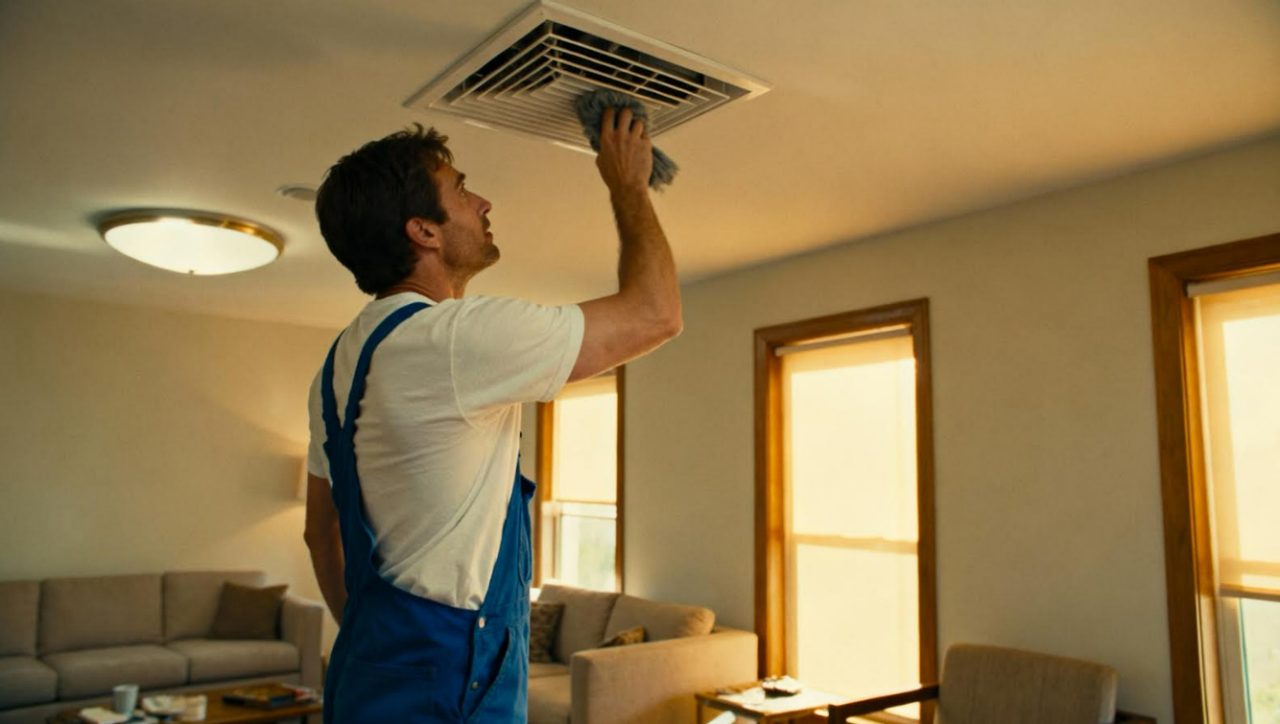
Indoor air quality plays a major role in human health, comfort, and overall well-being, especially in modern homes and commercial buildings where ventilation systems run continuously. Most people spend a large portion of their time indoors, which makes the quality of indoor air just as important as outdoor air quality. Over time, heating, ventilation, and air conditioning systems naturally collect dust, debris, allergens, and other airborne particles within their ductwork. These contaminants can circulate throughout the entire building every time the system operates, gradually affecting the environment people breathe in daily. Understanding how to maintain a clean HVAC system is essential for improving air quality and ensuring energy efficiency.
Understanding Indoor Air and HVAC Systems
The HVAC system is designed to regulate temperature, humidity, and airflow in indoor spaces. However, its performance can decline when internal components become dirty or clogged. Air ducts act as pathways that distribute air across different rooms, but these pathways can also collect unwanted particles over time. Dust, pollen, pet dander, mold spores, and even small insects can settle inside the ducts and remain there for long periods if not properly addressed.
When air flows through contaminated ducts, these particles are continuously recirculated into living spaces. This not only reduces air quality but can also trigger allergies, respiratory irritation, and general discomfort. For individuals with asthma or sensitivity to airborne allergens, the condition of the HVAC system becomes even more important.
What Is Air Duct Cleaning
The process of air duct cleaning refers to the thorough removal of dust, debris, and contaminants from the interior surfaces of HVAC ductwork. It involves specialized tools and techniques designed to reach deep inside the ventilation system, where regular household cleaning methods cannot reach. High-powered vacuum systems, rotating brushes, and air compression tools are commonly used to dislodge and extract buildup from the ducts.
Over time, ducts accumulate layers of dust and pollutants that restrict airflow and reduce system efficiency. Professional cleaning helps restore proper airflow, ensuring that air moves freely throughout the system without obstruction. This process also helps eliminate hidden contaminants that may be affecting indoor air quality.
Benefits of Air Duct Cleaning
One of the most important advantages of maintaining clean ductwork is improved indoor air quality. When contaminants are removed from the system, the air circulating indoors becomes cleaner and fresher. This can significantly reduce the presence of allergens in the environment, making it easier for occupants to breathe comfortably.
Another key benefit is the reduction of dust accumulation inside rooms. Dirty ducts often contribute to faster dust buildup on furniture, floors, and surfaces. By removing the source of these particles, cleaning helps maintain a cleaner living space with less frequent dusting required.
Additionally, clean ducts contribute to a healthier indoor environment by reducing exposure to mold spores, bacteria, and other harmful microorganisms that may develop in damp or neglected systems. Over time, this can lead to noticeable improvements in overall comfort and wellness.
Energy Efficiency and System Performance
A clean HVAC system is not only beneficial for health but also for energy efficiency. When ducts are clogged with debris, airflow becomes restricted, forcing the system to work harder to maintain the desired temperature. This increased strain leads to higher energy consumption and greater utility costs.
With proper air duct cleaning, airflow resistance is reduced, allowing the system to operate more efficiently. This means the HVAC unit can heat or cool spaces more effectively while using less energy. Improved efficiency also reduces wear and tear on system components, which can extend the lifespan of the equipment and minimize repair needs.
Signs That Ducts May Need Attention
There are several indicators that an HVAC system may require cleaning. One common sign is visible dust accumulation around vents and air registers. If dust appears shortly after cleaning the home, it may indicate that contaminants are being circulated from inside the ducts.
Another sign is inconsistent airflow between rooms. When some areas of a building feel less comfortable than others, it may be due to restricted airflow caused by buildup inside the ductwork. Unusual odors coming from vents can also signal the presence of mold or trapped debris within the system.
In some cases, allergy symptoms or respiratory discomfort may increase when the HVAC system is running. This can suggest that airborne contaminants are being distributed throughout the indoor environment.
Health Impacts of Poor Air Quality
Indoor air pollution can have a significant impact on human health. Dust, pollen, mold spores, and other airborne particles can irritate the respiratory system and worsen existing conditions such as asthma or allergies. Long-term exposure to poor air quality may also lead to fatigue, headaches, and general discomfort.
Children, elderly individuals, and people with pre-existing health conditions are particularly sensitive to indoor air contaminants. Maintaining clean air circulation systems helps reduce these risks and supports a healthier living environment for all occupants.
The Process of Professional Cleaning
The process of air duct cleaning typically begins with a detailed inspection of the HVAC system. This helps identify areas of heavy buildup, blockages, or potential mold growth. Once the inspection is complete, specialized equipment is used to clean the ducts thoroughly.
High-powered vacuum systems create negative pressure within the ductwork, preventing contaminants from spreading into the indoor environment during cleaning. Rotating brushes and compressed air tools are then used to loosen debris from the interior surfaces. The extracted particles are collected and safely removed from the system.
After cleaning, the system is often checked again to ensure that airflow has improved and no residual debris remains. This ensures that the HVAC system is restored to optimal working condition.
Maintaining a Cleaner HVAC System
Regular maintenance plays an important role in keeping air ducts clean for longer periods. One simple but effective practice is replacing air filters regularly. Clean filters help trap dust and prevent it from entering the duct system in the first place.
Routine HVAC inspections can also help identify issues early before they become major problems. Keeping indoor spaces clean and minimizing dust sources further contributes to maintaining better air quality.
By combining preventive care with occasional professional servicing, homeowners can ensure that their HVAC systems continue to perform efficiently and provide clean air consistently.
Conclusion
Maintaining a clean and efficient HVAC system is essential for both health and energy savings. Over time, dust and contaminants naturally accumulate inside ductwork, affecting airflow, system performance, and indoor air quality. Regular maintenance and professional air duct cleaning help eliminate these issues by restoring clean airflow and improving system efficiency.
In addition to improving comfort and reducing allergens, proper duct maintenance also supports lower energy consumption and longer equipment lifespan. A clean system not only benefits the people living or working inside the space but also contributes to a more efficient and sustainable environment overall.