Proper maintenance of outdoor spaces involves much more than regular mowing and pruning. One of the most critical yet often overlooked aspects of landscape management is dealing with tree stumps. Left unattended, tree stumps can pose safety hazards, attract pests, and interfere with the aesthetics and usability of your property. For this reason, stump grinding has become an essential process for homeowners, landscapers, and property managers seeking efficient and effective solutions for removing tree remnants. Understanding the techniques, equipment, and best practices associated with stump grinding ensures safer, cleaner, and more visually appealing landscapes.
Stump grinding is the process of mechanically removing a tree stump by grinding it down into small wood chips using specialized equipment. Unlike traditional stump removal, which may require extensive digging and manual labor, stump grinding is faster, less invasive, and more cost-effective. By reducing the stump to mulch, this method allows the surrounding soil to be used for planting, landscaping, or other property improvements without major disruption. Properly executed, stump grinding also minimizes the risk of future regrowth, prevents pest infestations, and contributes to the overall health and appearance of your yard.
The Importance of Stump Grinding in Landscape Management
Tree stumps that are left in place after cutting down a tree can create numerous problems. First, they can be a physical hazard, particularly in high-traffic areas. Stumps may cause trips and falls for pedestrians, children, or pets, making the landscape less safe. Additionally, stumps can interfere with lawn maintenance, gardening, or construction projects, as they obstruct mowing equipment, landscaping tools, and soil preparation.
Stumps are also susceptible to decay and pest infestation. Insects, fungi, and rodents are often attracted to decaying wood, which can lead to broader issues in your garden or lawn. A neglected stump may even affect nearby plants, as decaying matter can change soil composition and introduce unwanted pathogens. By prioritizing stump grinding, property owners prevent these problems while maintaining a healthier, safer, and more functional landscape.
Equipment Used for Stump Grinding
Effective stump grinding relies on specialized machinery designed to tackle different stump sizes and soil conditions. The most commonly used equipment includes:
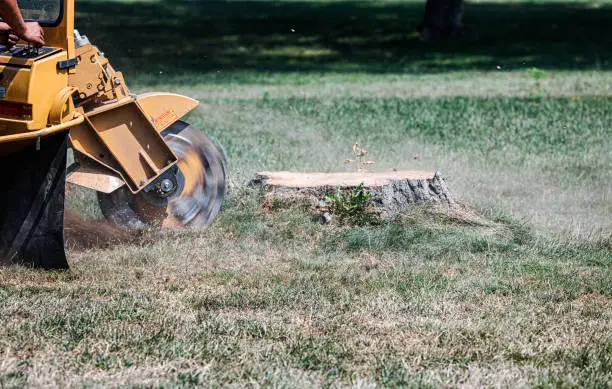
- Stump Grinders: These machines are equipped with rotating cutting wheels that chip away the stump wood, gradually reducing it to small mulch pieces. Grinders can be walk-behind models for smaller stumps or heavy-duty ride-on models for larger stumps.
- Chainsaws and Hand Tools: Before using a stump grinder, some surface-level cutting may be necessary, particularly for irregularly shaped stumps.
- Safety Gear: Protective equipment such as gloves, goggles, helmets, and steel-toed boots is essential to ensure safety while operating stump grinding machinery.
Choosing the right equipment and ensuring it is in proper working condition are vital steps in achieving efficient and safe stump grinding.
Techniques for Effective Stump Grinding
Several techniques ensure that stump grinding is both efficient and thorough. One of the most effective methods involves positioning the grinder so that it gradually lowers into the stump, making multiple passes from the outer edges toward the center. This method ensures that the stump is ground evenly, leaving the surrounding soil intact.
For larger stumps, it may be necessary to rotate the stump grinder or make multiple passes over different sections to reduce it completely. Proper technique also involves clearing debris regularly to maintain visibility and avoid clogging the grinder. Some professionals may also use additional tools to remove protruding roots or to grind below the soil surface, ensuring that no part of the stump can regrow.
Timing and Frequency of Stump Grinding
The timing of stump grinding can influence its effectiveness. Ideally, stumps should be ground shortly after tree removal, while the wood is still relatively fresh. Fresh stumps are easier to grind, and there is a reduced risk of decay-related problems or pest infestations. Delaying the process may result in harder, drier wood that requires more effort and time to remove.
While most stumps only require a single grinding session, some particularly large or dense stumps may need multiple grinding passes to fully reduce them to mulch. Following best practices for stump grinding ensures that the process is thorough and prevents the stump from interfering with future landscaping efforts.
Safety Considerations in Stump Grinding
Operating stump grinding equipment involves inherent risks, including flying wood chips, rotating machinery, and uneven terrain. Safety precautions are essential to prevent injuries and property damage. Operators should always wear appropriate protective gear, maintain a safe distance from others, and ensure the grinding area is clear of obstacles.
Proper training in handling stump grinders is also crucial. Mistakes such as improper positioning, incorrect speed, or overexertion can damage the equipment or cause accidents. By following safety protocols, property owners and professionals can complete stump grinding efficiently while minimizing risks.
Environmental and Aesthetic Benefits of Stump Grinding
Beyond safety and convenience, stump grinding provides several environmental and aesthetic benefits. Grinding stumps into mulch returns organic material to the soil, which can improve soil fertility and structure. The mulch can also be used around plants and flower beds, promoting moisture retention and reducing weed growth.
From an aesthetic perspective, removing unsightly stumps restores a clean, uniform look to the landscape. Lawns, gardens, and walkways become easier to maintain, and the overall visual appeal of the property is enhanced. Effective stump grinding ensures that outdoor spaces are not only functional but also attractive and well-maintained.
Common Mistakes to Avoid
Even experienced individuals can make errors during stump grinding. Common mistakes include grinding too shallow, leaving parts of the stump that can regrow, damaging surrounding plants or infrastructure, or neglecting safety precautions. Ensuring proper technique, equipment choice, and safety measures is essential to avoid these pitfalls.
Another common oversight is not considering the disposal or use of the wood chips. While some hosts or landscapers discard the chips, they can also be repurposed as mulch, compost, or ground cover, providing both ecological and practical benefits. Avoiding these mistakes helps ensure that stump grinding is both effective and environmentally responsible.
Hiring Professionals for Stump Grinding
While some homeowners may attempt DIY stump grinding, hiring professional services offers several advantages. Professionals have the expertise, equipment, and experience to handle stumps of all sizes safely and efficiently. They can also assess the property for potential hazards, recommend additional services such as root removal, and ensure that the landscape is restored properly after grinding.
Outsourcing stump grinding saves time and reduces the risk of injury, particularly for larger or more complex projects. Professionals can also provide ongoing maintenance advice, helping property owners maintain a safe and visually appealing landscape over time.
Long-Term Benefits of Stump Grinding
Investing in proper stump grinding provides long-term benefits for property owners. It eliminates safety hazards, reduces maintenance challenges, prevents pest infestations, and improves the visual appeal of the landscape. Properties with well-maintained outdoor spaces are safer, more functional, and more attractive, which can increase property value and make it easier to enjoy the area for recreation or relaxation.
Regular attention to stumps and root systems also contributes to soil health and overall landscape sustainability. By removing stumps efficiently and responsibly, property owners can prevent future complications and ensure that their outdoor spaces remain in optimal condition for years to come.
Final Thoughts
Stump grinding is an essential practice for maintaining safe, attractive, and functional landscapes. By understanding the techniques, equipment, timing, and safety considerations involved, property owners and professionals can ensure that stumps are removed efficiently and responsibly. Beyond aesthetics, stump grinding prevents hazards, reduces maintenance challenges, and promotes healthier soil and plant growth.
Professional stump grinding services can make the process faster, safer, and more effective, particularly for large or complex stumps. Whether undertaken as a DIY project or outsourced to experts, prioritizing stump grinding is a vital component of landscape management that provides lasting benefits for property owners, visitors, and the environment. Ultimately, efficient stump removal enhances both the beauty and functionality of outdoor spaces, ensuring a safe, healthy, and well-maintained environment for all.