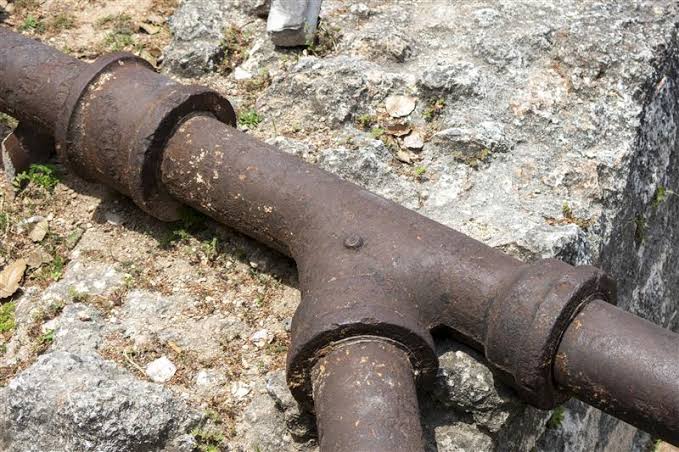
A rowhouse in Petworth can have brand-new floors, updated wiring, and a fully renovated kitchen and still be running wastewater through a pipe installed before anyone alive today was born. That’s the quiet reality across much of Washington, D.C., where the plumbing people never see is often the oldest part of the house by a wide margin.
Renovation Doesn’t Reach What’s Underground
Home renovation in the district has boomed for years. Kitchens get gutted, bathrooms get modernized, basements get finished into rental units. None of that typically touches the sewer lateral, the pipe that runs from the house to the street main, because it’s buried, out of sight, and not part of a typical remodel scope. So a fully updated Washington, DC home can still be sitting on a cast-iron or clay pipe from the 1920s or 1930s that’s simply never been looked at.
That mismatch is the real issue. It’s not that the pipes are old, plenty of infrastructure is old and fine. It’s that nobody’s checking them until something goes wrong, and by the time something goes wrong, it’s usually a mess rather than a minor fix.
Why Cast Iron Fails Quietly
Cast-iron pipe doesn’t fail the way a burst water line does. There’s no sudden flood, no obvious break. Instead, the interior slowly narrows as decades of mineral buildup and corrosion coat the walls, until the pipe that once carried wastewater at full capacity is functioning at a fraction of it. A household won’t notice this happening in real time. What they’ll notice is a toilet that gurgles when the washing machine drains, or a basement floor drain that backs up every time it rains hard.
By the time those symptoms show up, the pipe has usually been narrowing for years. That’s part of what makes Washington, D.C.’s older housing stock tricky: the visible signs of trouble tend to lag well behind the actual deterioration.
The Tree Root Factor Most Homeowners Don’t Expect
Mature tree canopy is one of the things people love about DC’s older neighborhoods, and it’s also one of the biggest threats to the pipes underneath them. Tree roots are drawn to the moisture inside a sewer line, and they don’t need much of an opening to get in. A joint that has shifted even slightly, or a hairline crack from decades of ground settling, is enough. Once a root finds its way in, it keeps growing, and what started as a thin tendril can turn into a blockage that stops wastewater cold.
This is especially relevant on blocks with tree-lined streets that predate most of the current housing, since the trees and the pipes have effectively been competing for the same underground space for generations.
Who Actually Owns the Problem
Here’s where a lot of Washington, DC homeowners get caught off guard. The city is responsible for the main sewer line running under the street. The lateral connecting an individual home to that main is the homeowner’s responsibility, full stop. That means when a lateral fails, there’s no utility crew showing up to fix it. It’s a private repair, on a private budget, often discovered at the worst possible time.
Given how much of the district’s housing predates modern plumbing standards, that responsibility gap affects a large share of homeowners who may not even know their lateral’s age or material. This is where a company like Drain Guys tends to come up in local conversation, since they run camera inspections as a standard part of any mainline drain cleaning in the district, which gives a homeowner a real look at pipe condition rather than a guess based on symptoms alone.
A Few Ways to Get Ahead of It
- Ask for a sewer camera inspection before buying an older home, not after move-in.
- If you’ve owned your home for years and never had the lateral checked, treat that as overdue rather than optional.
- Watch for slow drains on the lowest level of the house, especially after rain.
- Don’t wait for a backup to find out what material your lateral is made of.
Availability matters here too. Plumbing emergencies in Washington, DC rarely happen at a convenient hour, and Drain Guys operates on a 24/7 emergency basis with no after-hours surcharge, which is worth knowing before a Sunday-night backup turns into a bigger headache than it needs to be.
Final Thoughts
The plumbing that matters most in a lot of Washington, DC homes is the part nobody thinks about, buried under a yard or sidewalk, doing its job until it suddenly doesn’t. Renovations rarely touch it, inspections rarely happen without a reason, and by the time symptoms show up, the pipe has often been failing for a while already. Getting ahead of it with an inspection is a lot cheaper than dealing with it after a backup.