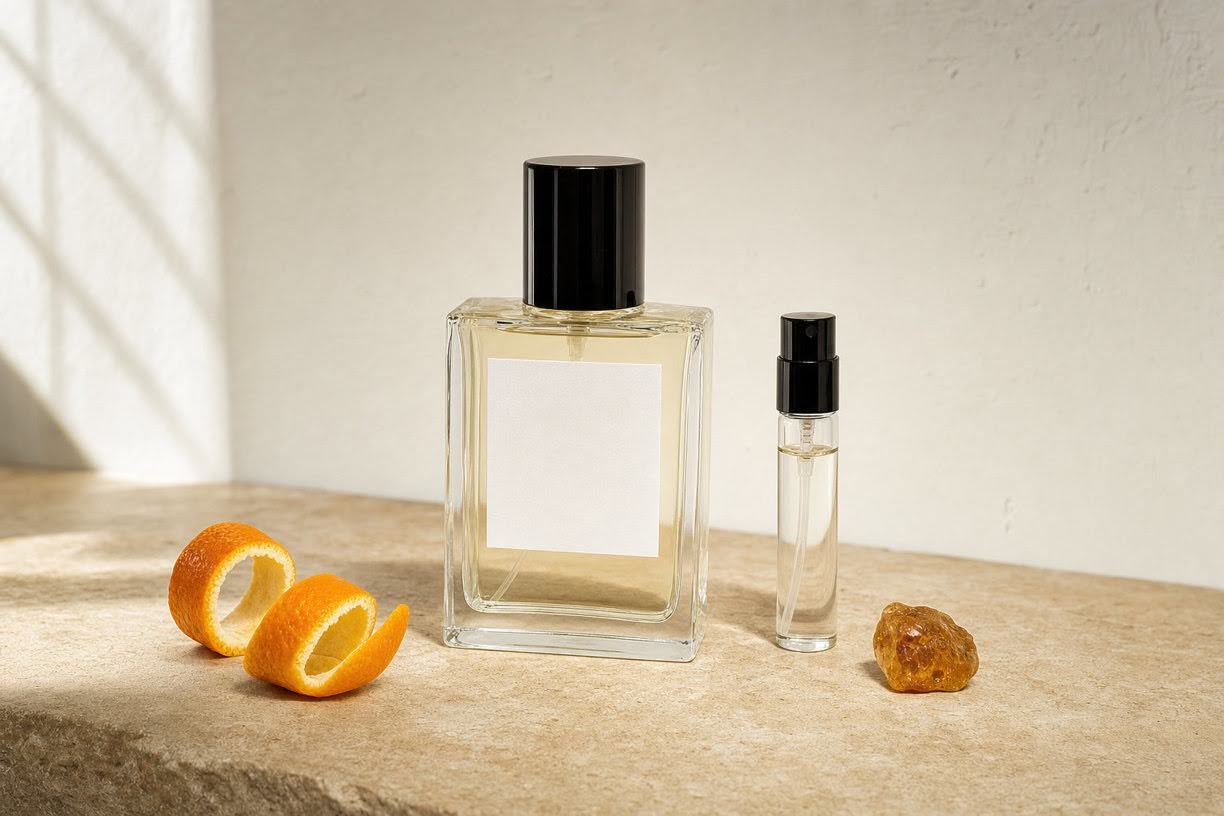
Perfume dupes are changing how people pursue luxury in their personal grooming routines. The interest in finding high-quality alternatives to expensive designer scents now reflects a broader desire for accessible luxury. This shift reveals changing attitudes toward value, authenticity, and the significance of scent in daily identity.
With fragrance prices continuing to rise, more consumers are searching for ways to experience sophisticated scents without stretching their budgets. The notion of “smelling expensive” has grown in popularity, leading to a market where dupes are not viewed as compromises but as clever alternatives. Understanding this trend helps explain why affordable luxury scents have become relevant for anyone interested in expressing themselves through fragrance.
Learning the difference between dupes and counterfeits
Perfume dupes are not the same as counterfeits. A dupe, or duplicate scent, aims to capture the essence of a popular fragrance using legally distinct formulations and packaging. This is different from counterfeits, which directly copy branding, logos, and appearances to mislead buyers.
Dupes often take inspiration from luxury perfumes by recreating prominent scent profiles using unique combinations of similar notes. The products are marketed as “inspired by” rather than an exact match. This distinction matters, since most consumers want alternatives that uphold ethical standards without breaking trademark laws. For example, while a counterfeit might replicate branded packaging, a dupe typically presents itself with original branding, reducing the risk of consumer deception and supporting legal business practices.
How consumers evaluate the quality of a dupe
Value judgments about perfume dupes rely on several criteria. Scent similarity remains important, but claims of being “identical” are rarely accurate, as few fragrances can be perfectly replicated in terms of their complex layers and evolution on skin. Many shoppers will share side-by-side scent experiences on forums, detailing which notes match closely and which aspects differ in wear or feel.
Longevity, projection, and the dry-down phase can also differ between a dupe and its luxury reference. Discussion around the Xerjoff Naxos dupe often highlights these nuances, with enthusiasts noting that while the initial impressions are remarkably similar to the original scent, unique differences become more noticeable as the fragrance develops over time. Ingredient quality and your own skin chemistry add more variables, making personal testing essential when considering a dupe’s worth. Consumers commonly compare how long a scent lingers or performs in various environments, contributing to the ongoing evaluation of a successful dupe.
Economic pressure and trend cycles fuel dupe interest
Shoppers are more price-conscious than ever, with the cost of living influencing every purchase decision. The growing interest in perfume dupes is closely linked to the desire for value-driven shopping, as people weigh the justification of paying premium prices for original fragrances. Online forums often show users comparing the cost-per-wear and performance of dupes versus originals, signaling how budget conversations drive discovery.
Sample culture, where you test small amounts before committing, has become prominent in recent years. Discovery sets and trial sizes allow you to experiment with different scent families, further driving curiosity about dupes. At the same time, faster trend cycles, shaped by social media and fragrance communities, increase demand for fresh and accessible options. For example, when a designer fragrance trends on social platforms, discussions quickly surface about affordable dupes that offer similar olfactory experiences without the designer price tag.
How online communities and reviews shape dupe culture
Online forums and short video reviews make it simpler to discover and compare perfume dupes. “Smells like” lists and side-by-side analysis now influence your shopping habits by providing experiences from a broad range of users, offering extra guidance on performance and accuracy. For example, some review sites break down longevity, sillage, and note prominence for major dupe releases, helping buyers set reasonable expectations before purchasing.
However, these platforms are not without issues. Social hype and misleading comparisons can set unrealistic expectations, occasionally leading to disappointment among buyers. It is crucial to read a diversity of reviews and remain skeptical of uniform praise, as individual experiences may differ greatly. If a particular dupe attracts a surge of positive reviews at launch, looking for detailed critical feedback can help balance your impression.
Affordable luxury is emerging as a defined category that transcends mere imitation. Perfume dupes stand alongside travel-sized bottles, decants, and accessible niche brands, forming a space where you can seek luxury experiences through smart shopping. Even at a lower price point, consumers continue to value storytelling, elegant packaging, and strong scent performance, showing that “affordable” does not have to mean sacrificing quality.
If you want to confidently navigate the world of perfume dupes, consider patch testing over several days to observe how a scent develops. Reading ingredient lists and scent family breakdowns is also valuable for setting realistic expectations before purchasing. Look for transparent labeling and avoid counterfeit marketplaces to ensure ethical involvement in the dupe market.
This rising interest in perfume dupes reflects shifting priorities among fragrance enthusiasts. The trend highlights a growing preference for value, self-expression, and accessibility, suggesting that affordable luxury scents will remain a significant part of how people define personal style through fragrance in the coming years.