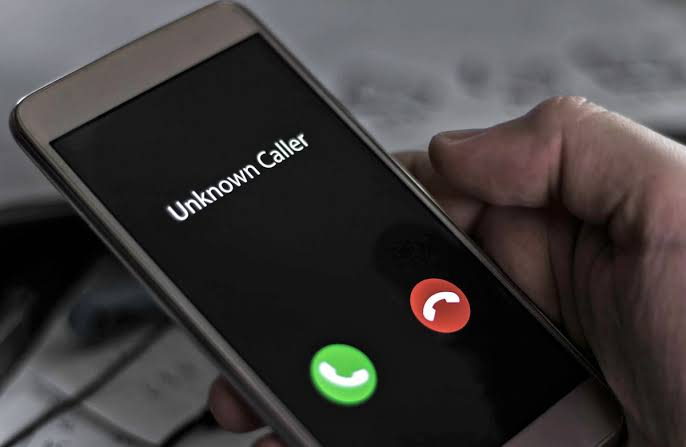
An unknown number on a phone screen leaves most people with the same basic question: answer, or let it go to voicemail? A free reverse phone lookup is one of the simplest tools available for closing that gap, offering a quick way to gather context before deciding how, or whether, to respond at all.
Use a Reverse Lookup Tool First
Running an unfamiliar number through a reverse lookup tool often reveals whether it’s associated with a business, a known scam pattern, or simply an unlisted personal number, giving useful context before any response is made. That context alone is often enough to decide whether a callback is worth the risk. Trusted security tools like Malwarebytes help identify scam calls and other suspicious activity before deciding to engage further.
Check for Caller ID Spoofing Signs
A number that appears to come from a familiar area code or even a known contact can still be spoofed, so it’s worth staying alert to this possibility even when a call looks legitimate at first glance. Spoofing technology has become sophisticated enough that caller ID alone is no longer a reliable indicator.
Search Community-Reported Scam Databases
Many numbers used in scam calls get reported by previous recipients, and searching these community databases can quickly confirm whether a number has a documented history of suspicious activity. These reports often include details about the specific scam script being used, which adds useful context.
Let Unknown Calls Go to Voicemail
Legitimate callers will typically leave a message, while many robocalls and scam attempts won’t bother. Letting an unfamiliar number go to voicemail is a simple, low-effort filter that avoids unnecessary direct engagement. A voicemail also provides a recorded record that can be reviewed or reported later if needed.
Avoid Calling Back Immediately
Some scams specifically rely on a missed call prompting an immediate callback, sometimes to a number that generates charges. Taking a moment to research the number before calling back avoids falling into that particular trap. This scheme relies specifically on curiosity or urgency overriding caution, so a brief pause is usually enough to defeat it.
Block Numbers With Confirmed Scam Activity
Once a number is confirmed as a scam source, blocking it prevents repeated attempts and keeps a phone’s call log easier to manage going forward. Reporting the number to a relevant authority afterward can also help protect others from the same scam.
None of these steps require special technical skill, just a habit of pausing before responding to an unfamiliar number. That small habit, repeated consistently, adds up to a meaningful layer of everyday protection against calls designed to catch people off guard. Building that pause into a routine is a small, low-effort change with a genuinely outsized payoff.