The Foundation of High-Impact Garage Upgrades
For many homeowners, the garage is often an afterthought—a cluttered space for storage rather than a functional extension of the home. We understand the challenge of reclaiming this often-underutilized area. In fact, statistics show that a significant portion of two-car garages can’t even fit one vehicle, highlighting a widespread organizational issue. Yet, your garage holds immense potential to enhance your daily life, boost your property’s curb appeal, and even increase its overall value. Effective Garage Upgrades can transform this neglected space into a well-organized, welcoming entry point and a true asset to your property.
Discover how we can help you unlock your garage’s full potential.
This article will guide you through strategic Garage Upgrades, focusing on two pivotal areas: durable flooring solutions and aesthetic yet functional garage doors. We’ll explore how modern materials and smart technology can elevate your garage’s appearance, functionality, and energy efficiency. From advanced floor coatings that protect against stains and wear, to innovative door designs that enhance curb appeal and security, we’ll provide insights to help you make informed decisions. We believe your garage should be more than just a place to park; it should be a designed space that adds significant value to your home.
The journey to a truly transformed garage often begins from the ground up—literally. Your garage floor endures immense stress from heavy vehicles and equipment, as well as oil spills and chemical exposure. Bare concrete is porous, making it susceptible to staining, moisture absorption, and eventual deterioration. This is where high-quality floor coatings become a foundational upgrade, offering both robust protection and a significant aesthetic boost. Investing in a durable floor coating not only shields your concrete from the elements and everyday wear but also instantly elevates the garage’s overall appearance, transforming it from a purely utilitarian space into a polished extension of your home. The right coating can prevent unsightly tire marks, resist moisture damage, and make cleaning a breeze, contributing to a safer and more inviting environment. For those looking to achieve a premium look and lasting durability, exploring Granite garage floor upgrades can deliver exceptional results, ensuring your garage floor is not just functional but also a visual asset.
Epoxy vs. Polyaspartic Garage Upgrades
When considering garage floor coatings, two popular options stand out: epoxy and polyaspartic. Both offer superior protection compared to bare concrete, but they have distinct characteristics that make them suitable for different needs.
Epoxy finishes have long been a go-to choice for garage floors due to their impressive durability and wide range of aesthetic options. They create a thick, hard-wearing surface that is resistant to abrasions, chemicals, and impact. Epoxy systems often involve multiple layers, allowing decorative flakes to mimic granite or terrazzo and add depth and visual appeal. The curing time for epoxy can be several days, requiring the garage to be out of commission for a period, but the resulting finish is robust and long-lasting. Proper surface preparation, typically involving diamond grinding to create a profile for optimal adhesion, is crucial for epoxy’s success and longevity.
Polyaspartic coatings, while newer to the residential market, have gained significant traction due to their advanced properties. One of their most compelling advantages is their rapid curing time, often allowing for a full installation and return to service within a single day. This makes them an excellent choice for homeowners seeking a quick yet durable upgrade. Polyaspartic coatings also boast superior UV stability, making them far less likely to yellow or fade over time, even with prolonged exposure to sunlight. Their flexibility makes them more resistant to chipping and scratching than traditional epoxy, and they can be applied over a wider temperature range. Like epoxy, non-slip additives can be incorporated into polyaspartic coatings to enhance safety, especially in areas prone to moisture.
Choosing between epoxy and polyaspartic depends on factors like budget, desired curing time, UV exposure, and the specific demands of your garage. Both require meticulous surface preparation, often involving diamond grinding, to ensure proper adhesion and a flawless finish that will withstand the rigors of garage life for years to come.
Maximizing Vertical Space with Smart Storage
Once your garage floor is perfected, the next critical step in a high-impact upgrade is optimizing storage. Many garages suffer from horizontal clutter, with items spilling onto the floor and making it impossible to navigate or even park a vehicle. The solution lies in maximizing vertical space, transforming walls and ceilings into efficient storage zones.
Slatwall panels are incredibly versatile, allowing you to hang a wide array of hooks, shelves, and bins that can be easily reconfigured as your storage needs evolve. This system keeps tools, sports equipment, and garden supplies off the floor and within easy reach, creating a clean and organized aesthetic.
For seasonal items, bulky equipment, or things you don’t need daily access to, overhead racks are invaluable. These heavy-duty steel racks, often suspended from ceiling joists, can safely store large plastic bins, tires, or camping gear, freeing up valuable wall and floor space. Motorized ceiling lifts offer an even more convenient solution, allowing you to raise and lower storage platforms with the push of a button, eliminating the need for ladders.
Custom cabinetry provides a sleek, enclosed look, perfect for hiding clutter and creating a more finished appearance. These systems can be designed to fit your garage’s exact dimensions, offering tailored solutions for tools, cleaning supplies, or even a dedicated workbench area. With options for soft-close hinges and durable finishes, custom cabinets elevate the garage’s design while providing practical, hidden storage.
Finally, heavy-duty shelving units are essential for bulkier items that require robust support. Whether freestanding or wall-mounted, these shelves ensure that everything has a designated place. When installing any vertical storage, always prioritize safety. Ensure that all units are securely anchored to wall studs or ceiling joists, and consider safety locks for cabinets storing hazardous materials or valuable equipment. By strategically using vertical space, we can transform a chaotic garage into a highly organized, functional environment.
Elevating Curb Appeal and Energy Efficiency
Beyond the interior, the garage’s exterior, particularly the garage door, plays a pivotal role in your home’s overall curb appeal and energy efficiency. As the largest moving component of most homes, a garage door can dramatically influence a property’s aesthetic, often being the first thing visitors notice. Upgrading your garage door is one of the most impactful exterior renovations you can undertake, with potential returns on investment that frequently exceed 90% in some markets.
A modern, insulated garage door contributes significantly to your home’s thermal efficiency. An energy-efficient R-18 insulated door, for instance, can keep a garage about 12 degrees warmer in winter and 25 degrees cooler in summer, reducing energy transfer between the garage and any adjacent living spaces. This temperature regulation is not just about comfort; it can lead to noticeable savings on utility bills. Furthermore, quality weather stripping around the door’s perimeter seals gaps, preventing drafts, moisture, and pests from entering. Beyond energy savings, a well-insulated door provides enhanced noise reduction, creating a quieter interior environment, especially beneficial if there’s a living space above the garage. For homeowners who use their garage as a workshop or hobby space, maintaining a consistent temperature is crucial for preserving tools and overall comfort. Upgrading to a modern insulated garage door is a smart investment that pays dividends in both aesthetics and functionality.
Selecting the Right Garage Door Materials
The choice of garage door material significantly impacts its appearance, durability, maintenance requirements, and overall performance. Understanding the characteristics of each material is key to making an informed decision that aligns with your home’s architectural style and your personal needs.
Steel doors are perhaps the most popular choice, renowned for their durability, low maintenance, and wide range of design options. They can be embossed with wood-grain patterns, painted in various colors, and are available with different insulation levels (R-values). Steel doors are robust and resistant to dents and rust, making them a practical choice for many climates.
For a contemporary or industrial look, aluminum frames with glass panels offer a sleek, modern aesthetic. These doors let natural light flood the garage, creating a bright, inviting space. While generally lighter than steel, glass panels can be prone to breakage; tempered or frosted glass options offer increased durability and privacy.
Wood composite doors offer the classic beauty of natural wood without the extensive maintenance required by natural wood. Made from a blend of wood fibers and resin, they resist rotting, warping, and cracking, which are common issues with traditional solid wood doors. They can be painted or stained to match your home’s exterior and offer good insulation.
Beyond aesthetics, consider wind-load ratings, especially if you live in an area prone to high winds or hurricanes. These doors are reinforced to withstand extreme weather conditions, ensuring structural integrity and safety. Regardless of the material, modern garage doors are equipped with essential safety features, including safety sensors that prevent the door from closing on obstructions and auto-reverse mechanisms. The smooth operation of the door relies heavily on its internal components, particularly the torsion springs, which are under immense tension and should always be handled by professionals. For Expert Columbia garage maintenance & upgrades, consulting with specialists ensures your garage door is not only beautiful but also safe and properly installed.
Integrating Smart Technology and Automation
In an increasingly connected world, smart technology has extended its reach to the garage, offering enhanced convenience, security, and control over one of your home’s most frequently used entry points. Integrating smart solutions into your garage door system can transform how you interact with your space.
Many modern garage door openers come with Wi-Fi connectivity, allowing you to control and monitor your garage door from anywhere using a smartphone app. This means you can check if the door is closed, open it for deliveries, or grant temporary access to guests, all from a remote location. This level of control provides peace of mind and adds a layer of security.
Battery backups are another crucial smart feature that ensures your garage door remains operational even during power outages. This prevents you from being locked out of your garage or, more importantly, trapped inside during an emergency.
Smart openers often include advanced features like integrated cameras, two-way audio, and package delivery services, further enhancing security and functionality. The standard auto-reverse mechanism is a non-negotiable safety feature that automatically reverses the door if it encounters an obstruction.
Beyond the door itself, smart technology can extend to the garage’s lighting. Motion-activated LED lighting not only provides convenience by illuminating the space as you enter, but also serves as a deterrent to potential intruders. These energy-efficient lights can be integrated with your smart home system, allowing for customized scheduling and control.
Finally, the seamless security integration of smart garage technology with your broader home security system provides a comprehensive protective umbrella. Imagine a scenario where your garage door opening triggers internal lights to turn on, cameras to record, and an alert to be sent to your phone. These interconnected systems create a safer, more efficient, and more responsive garage environment, truly elevating it to a modern extension of your smart home.
Planning Your Complete Garage Transformation
Embarking on a complete garage transformation requires careful planning and a strategic approach. It’s more than just buying new items; it’s about reimagining the space to maximize its potential, whether for parking, storage, a workshop, or a combination of uses. The first and most crucial step is to define the primary function of your renovated garage space. Will it be a dedicated parking area, a home gym, a woodworking shop, or a meticulously organized storage hub? Clearly outlining your goals will guide every subsequent decision, from flooring choices to electrical upgrades.
Before any purchases or installations, a thorough decluttering is essential. This involves emptying the garage as much as possible, sorting items into categories (keep, donate, discard), and ruthlessly purging anything that is no longer needed or used. Many homeowners find that they own hundreds of items stored in their garage, yet struggle to fit their cars inside. This initial purge creates a blank slate, allowing for accurate measurements and a clear vision for the new layout.
Once decluttered, consider zone creation. Designate specific areas for different activities: a parking zone, a workbench area, a sports equipment storage zone, and so on. This prevents future clutter and ensures that every item has a logical home. For instance, if you plan to use a section as a workshop, ensure it has adequate lighting and accessible power outlets.
Speaking of power, many older garages have insufficient electrical infrastructure. Installing an electrical subpanel can provide the necessary capacity for power tools, air compressors, or even an electric vehicle charging station. It also allows the addition of more GFCI outlets (Ground Fault Circuit Interrupter), which are crucial for safety in a garage environment and help protect against electrical shocks.
Finally, consider ventilation fans to improve air quality, especially if you’ll be working with chemicals, paints, or dust-producing tools. Proper ventilation also helps manage temperature and humidity, creating a more comfortable, healthier environment.
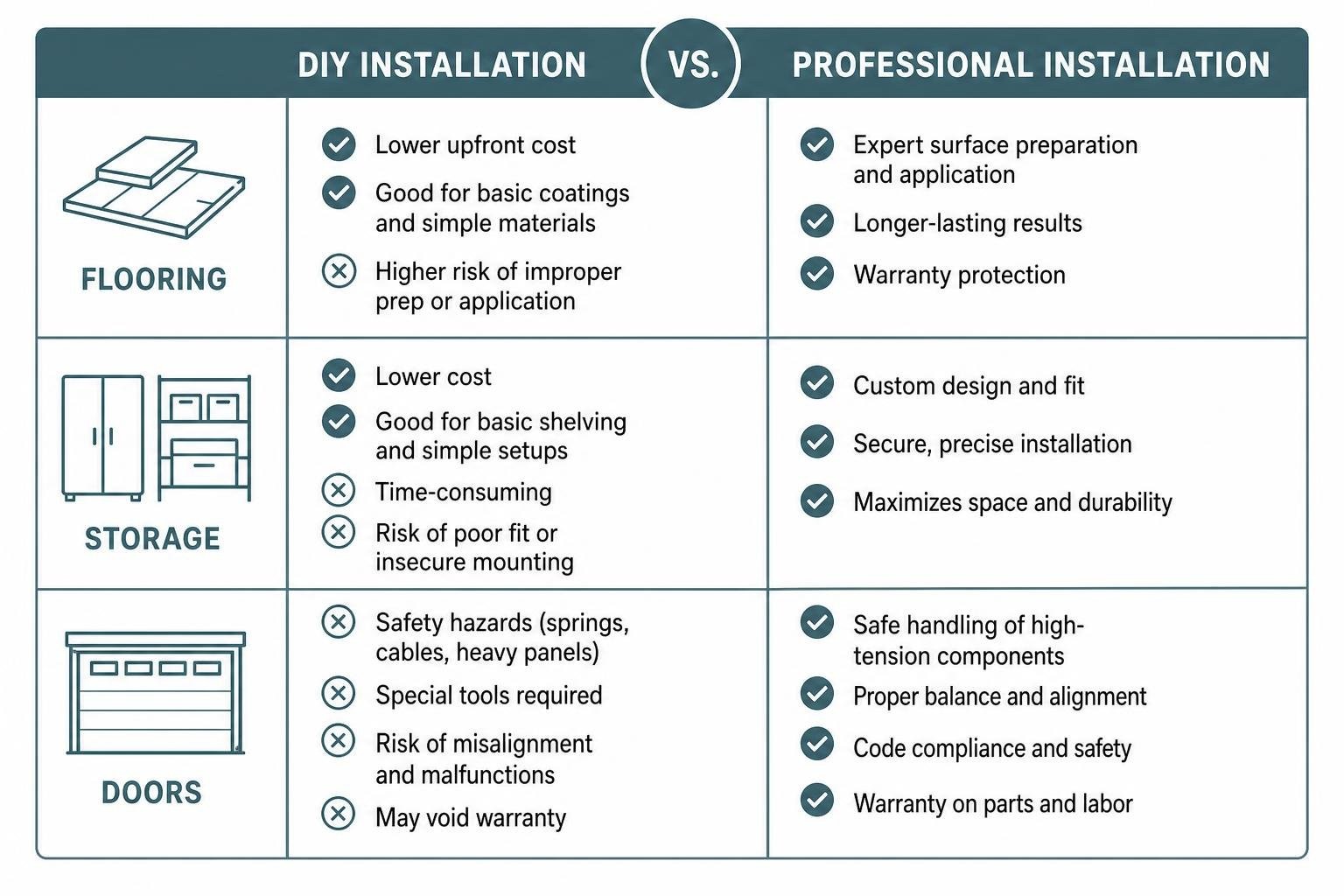
When it comes to executing your garage transformation, a key decision is whether to undertake DIY garage upgrades or opt for professional installation. This choice often depends on the task’s complexity, your skill level, available time, and budget.
For simple tasks like painting walls, installing basic shelving, or adding weatherstripping, DIY can be a cost-effective and rewarding approach. However, for more intricate or safety-critical upgrades, professional installation is often the superior choice. For example, applying advanced floor coatings like polyaspartic requires specialized equipment and expertise for proper surface preparation and application to ensure longevity and warranty coverage. Similarly, installing complex custom cabinetry or motorized overhead racks involves precise measurements and secure mounting techniques that professionals can execute flawlessly.
Garage door installation and repair, especially involving the highly tensioned springs, should almost always be left to certified technicians due to significant safety risks. Professionals ensure proper balancing, alignment, and adherence to all safety codes, providing peace of mind and often a warranty on their work. While DIY offers cost savings and personal satisfaction, professional services guarantee expertise, efficiency, and adherence to safety standards, which is invaluable for complex projects. A balanced approach, where you tackle simpler tasks and bring in experts for specialized work, often yields the best results for a complete garage makeover.
Frequently Asked Questions About Garage Upgrades
What are the most impactful garage upgrades for home resale value?
When considering garage upgrades to increase home resale value, certain improvements consistently stand out. An insulated garage door is a top contender, significantly enhancing curb appeal while also improving energy efficiency. Buyers often perceive a well-maintained, aesthetically pleasing garage door as a sign of a well-cared-for home. Durable floor coatings, such as epoxy or polyaspartic, also offer a high return. They transform an investment in a stained, dusty concrete slab into a clean, easy-to-maintain surface that looks polished and modern. Finally, well-designed and organized storage systems (such as custom cabinetry, slatwall, and overhead racks) create the impression of ample storage space in the home, a major selling point for many buyers. These upgrades collectively signal functionality, care, and a higher standard of living, making a home more attractive to potential buyers.
How does temperature control improve a garage space?
Temperature control in a garage offers a multitude of benefits that extend beyond mere comfort. Proper insulation (as reflected in higher R-values for walls, ceilings, and doors) creates a thermal barrier, preventing extreme heat or cold from penetrating the space. This leads to a more stable internal temperature, which is crucial for protecting stored items from temperature fluctuations that can cause damage. For tools, especially those made of metal, consistent temperatures and reduced humidity significantly minimize the risk of rust and corrosion, prolonging their lifespan. If the garage is used as a workshop or gym, climate control ensures a more pleasant and usable environment year-round. Additionally, exhaust fans can improve air quality by removing fumes from vehicles or projects, thereby contributing to a healthier, more comfortable space. Overall, effective temperature control transforms the garage from a harsh, neglected area into a functional, comfortable, and protected extension of the home.
Why should homeowners avoid converting a garage into a living space?
While the idea of gaining extra living space by converting a garage might seem appealing, homeowners should approach this decision with caution, as it often comes with significant drawbacks, particularly concerning resale value. Firstly, many municipalities have parking replacement rules or zoning laws that require a certain number of off-street parking spaces. Converting your garage might put you in violation of these regulations, leading to potential fines or issues during a home sale. Secondly, a large segment of home buyers still prioritizes a functional garage for parking, storage, or a workshop. Removing this essential feature can significantly reduce the pool of potential buyers and negatively impact your home’s appeal. This loss of dedicated storage space often means clutter migrates into other areas of the house, diminishing overall home functionality. Unless the conversion is part of a larger, well-executed plan to add a separate Accessory Dwelling Unit (ADU) above the garage (which maintains ground-level parking), a direct garage-to-living-space conversion often results in a net decrease in property value and buyer interest, rather than an increase.
Conclusion
The garage, often overlooked, holds immense potential to be one of the most functional and aesthetically pleasing areas of your home. As we’ve explored, strategic Garage Upgrades—from robust floor coatings that protect and beautify, to modern garage doors that enhance curb appeal and energy efficiency, to smart storage solutions that reclaim valuable space—can dramatically transform this often underutilized area.
By investing in these key upgrades, you’re not just improving a space; you’re enhancing your daily life, boosting your home’s overall value, and creating a more organized, efficient, and enjoyable environment. Whether you’re aiming for a sleek showplace for your vehicles, a highly organized storage hub, or a versatile workshop, the possibilities are vast.
The journey to a dream garage involves careful planning, smart material choices, and a commitment to quality. Once your transformation is complete, establish regular maintenance routines and conduct periodic safety inspections to ensure the longevity and continued performance of your upgraded space. A well-executed garage upgrade is an investment that delivers significant long-term value, both in terms of functionality and satisfaction.