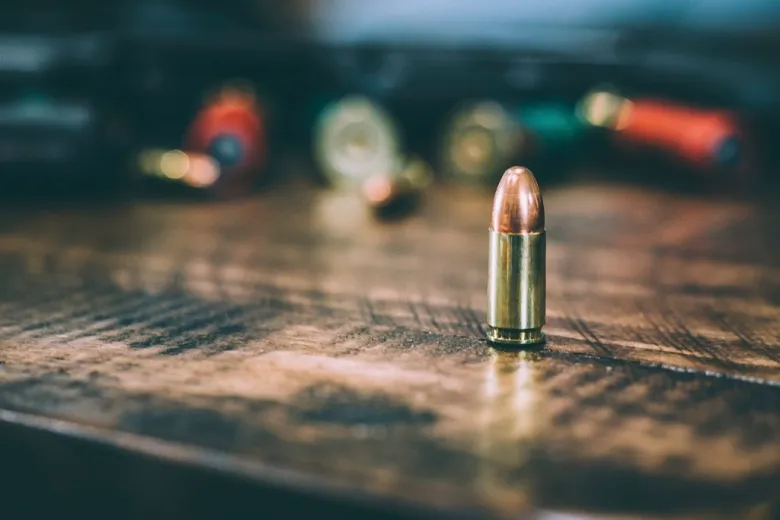
Specialty ammunition occupies a strange corner of the shooting sports market. Most of the volume and most of the shelf space belong to a handful of familiar loads: 9mm range fodder, 5.56 plinking rounds, birdshot for clays, walls of hunting cartridges from the big domestic manufacturers. Ventura ammo and other boutique labels live in the margins around all that, and they’re there for reasons most buying guides skip past.
Those reasons matter more than they get credit for. A shooter who understands why a small California outfit can survive next to Federal or Winchester tends to make better decisions at the counter. Price per round isn’t the whole story, or even most of it.
Which matters if you’re trying to source anything unusual. Calling three local shops in the wrong region produces blank stares. A national online retailer with broad inventory usually solves the problem in one search, and sites that Explore Ammo inventories across pistol, rifle, rimfire, and shotgun tend to be more useful than piecing together orders from four regional dealers. Consolidation is also how odd-lot products get found at all. A retailer aggregating dozens of brands is more likely to carry the one weird load a specific rifle likes than any single manufacturer’s own website.
Where boutique loaders actually fit
The conventional wisdom says small ammunition companies survive on hype. That’s not quite right. They survive on the gaps left by mass production.
A factory line running millions of rounds of 115 grain 9mm FMJ is optimized for one thing: cost per unit at scale. Change the bullet, change the powder charge, change the primer, and the economics fall apart fast. So the big loaders default to a handful of profiles that cover most shooters most of the time, which leaves real gaps everywhere else. Subsonic loads for suppressed rifles, heavy-for-caliber match bullets, reduced-recoil training ammo, hard cast lead for handgun hunters chasing hogs, frangible rounds for indoor steel work.
Callaway Ballistics and similar small shops built businesses around exactly those gaps. They can afford to run a batch of 300 grain 458 SOCOM because they aren’t competing on the 9mm ball line at all. The trade-off is price, sometimes dramatically so, but the buyer’s paying for a specific ballistic outcome rather than a generic one. Worth remembering when someone lines up a case of bulk range ammo next to a box of specialty rounds and calls the specialty stuff overpriced. They’re barely the same product.
The regional supplier problem
Ammunition distribution in the United States is unusually geographic. Freight on hazmat-classified goods adds up fast, and state-level regulations create pockets where certain products are easier or harder to move. That’s why ammunition Las Vegas retailers stock a different inventory than dealers in the Pacific Northwest, and why a Missouri shop branded around baits bolts and bullets can serve rural hunters better than a national chain that ostensibly carries everything.
Regional suppliers know their customer base. A store in southern Arizona carries varmint loads and hog medicine that would gather dust in coastal Maine. An ammo dealer in the Midwest stocks whitetail country: 30-30, 270, 308, 6.5 Creedmoor. Alaska leans magnum.
What beehive rounds and other oddballs actually do
Specialty ammunition includes some genuinely strange designs. Beehive rounds are the fun example. Originally a military concept, the beehive round packed a shell casing with tiny fin-stabilized flechettes meant to turn artillery into an area-effect anti-personnel weapon at close range. Civilian versions have shown up in various shotgun gauges over the years, mostly as novelties.
They aren’t practical for much. Patterns are inconsistent, terminal performance is unpredictable next to modern buckshot, and legality varies by state. But they illustrate something about the specialty market: much of what gets loaded is either a solution to a narrow problem or an experiment that persists because a small group of shooters keeps buying it.
Other examples work the same way. Subsonic 300 Blackout in heavy grain weights. +P+ handgun loads. Tungsten waterfowl shot. Cutting Edge solid copper hunting bullets. Each exists because someone identified a specific need that generic loads didn’t meet, and whether that need is real for any given shooter is a separate question worth asking honestly before spending three times the going rate on a box of 20.
The honest answer, most of the time, is that a shooter needs one specialty load for one purpose and boring standard ammo for everything else. A hunter carries premium bonded-core bullets in the magazine and burns cheap FMJ at the range confirming zero. A home defense shotgun sits loaded with quality buckshot while the practice ammo comes out of a bulk case of birdshot. Mixing tiers this way is normal, and anyone who tells you otherwise is trying to sell you something.
Ammo loads, reloading, and the case for buying factory
Handloading used to be the default path to specialty ammunition. If you wanted 165 grain 30-06 with a specific Sierra bullet over a measured charge of IMR 4064, the way to get it was a press, dies, components, and a manual. That still works, and reloaders can tune ammo loads to individual rifles in ways factory production won’t touch.
But the component market has tightened. Primers get scarce, powder shows up in stock and vanishes the same afternoon, bullet prices have climbed. The math that once made reloading obviously cheaper than factory ammo has shifted, especially for common calibers where bulk factory prices have fallen while component prices have risen.
So factory specialty ammunition has become a more reasonable choice than it used to be. A box of factory 6.5 Creedmoor match ammo isn’t cheap, but the components to load an equivalent aren’t cheap either, and there’s the small matter of the several hours spent at the bench. For shooters who value their time, factory specialty loads from smaller producers have quietly become the practical answer. Ae ammo and similar smaller brands often occupy this middle ground: not as cheap as bulk mainstream production, not as customized as a careful handload, but loaded with attention to specific applications in cartridges the big producers ignore.
How to evaluate a specialty round before buying
A few practical questions separate worthwhile specialty ammunition from expensive novelty.
The first one is what the round claims to do that standard ammunition doesn’t. If the answer is vague, the premium probably isn’t justified. If it’s specific, subsonic performance in a suppressed 300 Blackout, deep penetration on large hogs, reduced recoil for a youth shooter, then the premium starts making sense.
The next question is whether the firearm can actually benefit. A budget AR with a mid-grade barrel isn’t going to shoot match ammunition into tighter groups than quality mid-tier ammo. Match-grade cartridges pay off in rifles capable of showing the difference. Same logic for defensive handgun ammo in guns that aren’t reliable with hollow points to begin with.
Supply stability is the one people forget. A specialty load a shooter grows to depend on becomes a problem when it disappears from the market for eighteen months, and regional brands are more vulnerable to that than the majors. Buying a case rather than a box is often the right hedge when a specific load proves itself.
Finally, transparency. Bullet weight, bullet construction, velocity from a specified barrel length, lot consistency. Companies that publish that information are worth taking seriously. Companies that market on cartridge names and headstamp aesthetics generally aren’t.
The quiet middle of the market
Most interesting ammunition purchases happen in the space between bulk range ammo and high-end match rounds. That’s where regional suppliers, boutique loaders, and specialty distributors live. It’s where a shooter finds a 147 grain subsonic 9mm that actually cycles a suppressed pistol, or a heavy-for-caliber 22 Magnum load that turns a rimfire into a serious small game rifle, or a reduced-recoil 20 gauge that lets a new shooter finish a round of sporting clays without a flinch.
Ventura ammo and the broader ecosystem of small labels and regional retailers exist because that middle is real, and mostly ignored by everyone chasing the bulk 9mm dollar. The shooter who learns to work with it, rather than defaulting to whatever’s stacked highest at the big-box store, tends to end up with better results at the range and in the field. The premium isn’t always worth paying. When it is, though, you know it the first time the trigger breaks.