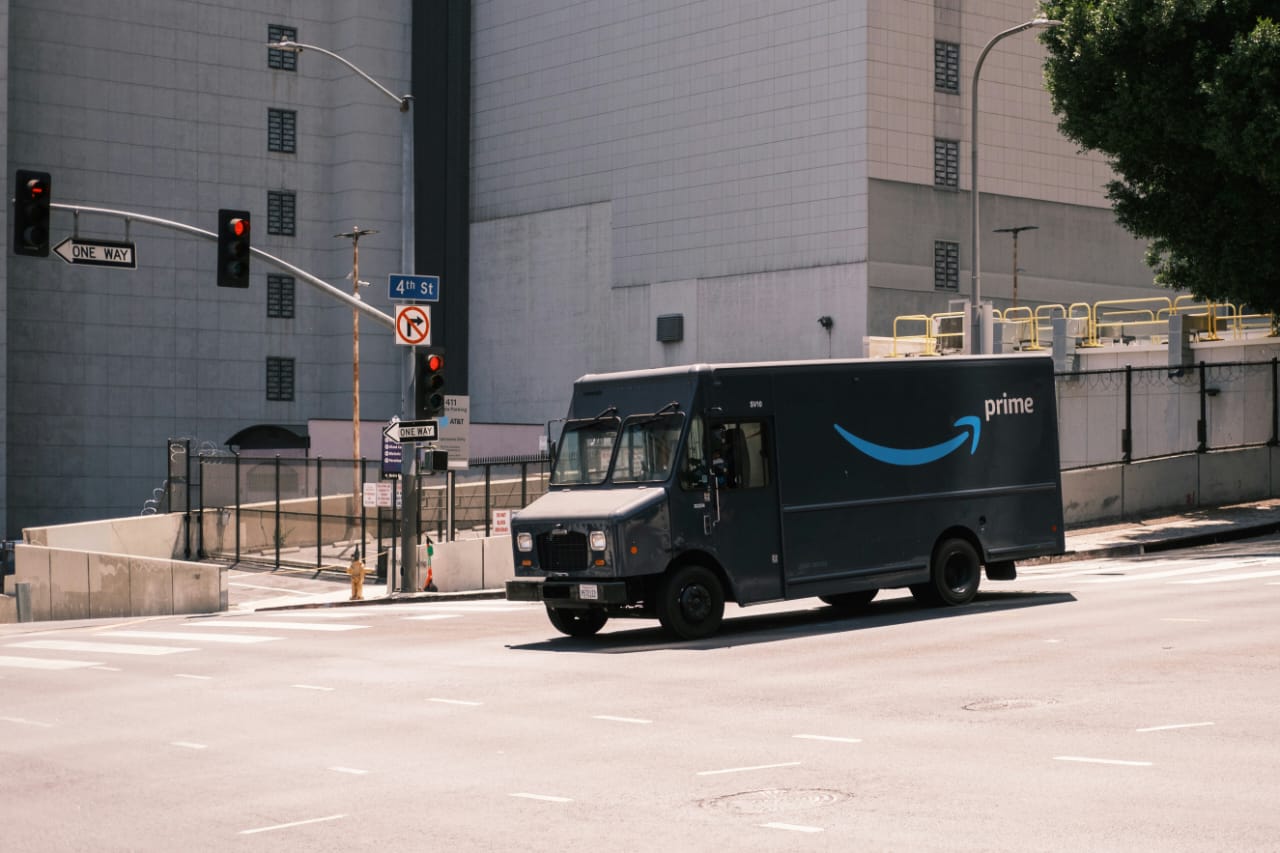
The evidence that can help prove an Amazon van accident claim includes a police report, photos and videos of the accident scene, witness statements, medical records, Amazon driver and vehicle information, and electronic data such as GPS records. Together, these forms of evidence can help establish how the collision occurred, who was at fault, and the extent of the victim’s injuries and financial losses. Collecting evidence immediately after an Amazon van accident can preserve important details before they disappear.Delays may result in lost surveillance footage, fading witness memories, or missing physical evidence. Early documentation often creates a clearer picture of the events leading to the collision.This article explains the key types of evidence that can strengthen an Amazon van accident claim and why preserving them as early as possible is important.
Key Evidence That Can Help Prove an Amazon Van Accident Claim
Police Report
A police accident report is often one of the most persuasive pieces of evidence in an Amazon van accident claim. It usually contains the officer’s observations, the location of the collision, weather conditions, witness information, and statements from everyone involved.
Although the report does not automatically determine legal liability, insurance adjusters and attorneys frequently rely on it when evaluating how the accident occurred. If the responding officer noted traffic violations or contributing factors, those findings may support the injured person’s claim.
Photos and Videos
Visual evidence captures details that may disappear within hours. Photographs taken immediately after the accident can document vehicle damage, skid marks, debris, road conditions, traffic signals, weather, and visible injuries.
Video recordings from nearby businesses, residential security cameras, dashcams, or traffic cameras may also reveal exactly how the collision occurred. This type of evidence can be especially valuable when drivers disagree about who caused the crash.
Witness Statements
Independent witnesses provide objective accounts of the accident because they generally have no personal interest in the outcome. Their observations may confirm the sequence of events and identify unsafe driving behaviors.
Whenever possible, collect witness names and contact information before leaving the scene.
Statements recorded soon after the crash are often more accurate than recollections made weeks later.
Medical Records
Medical records directly link injuries to the accident. Emergency room reports, physician notes, imaging studies, physical therapy records, prescription information, and treatment plans help demonstrate both the severity of the injuries and the recovery process.
Medical bills also document financial losses resulting from the collision. Together, these records establish damages that may be considered during settlement discussions or litigation.
Amazon Driver and Vehicle Information
Identifying the delivery driver and vehicle is another essential step. Important information includes:
- Driver’s name and contact information
- Vehicle license plate number
- Amazon delivery van identification numbers
- Delivery Service Partner (DSP) information, if applicable
This information helps determine which parties may be legally responsible. In some situations, liability may involve multiple entities depending on the driver’s employment relationship and the circumstances surrounding the accident.
Electronic Data
Modern delivery vehicles often generate valuable electronic records. GPS tracking systems may show the van’s location, route, speed, and travel history at the time of the collision.
Electronic logging systems and onboard vehicle data may also reveal sudden braking, acceleration, or steering activity. If distracted driving is suspected, cell phone records obtained during the legal process may provide additional evidence regarding the driver’s actions immediately before the crash.
What Steps Should You Take to Preserve Evidence?
Taking prompt action improves the likelihood of preserving important evidence. Consider these practical steps:
- Call law enforcement and request an official accident report.
- Photograph the accident scene, vehicles, injuries, and surrounding conditions.
- Gather contact information from witnesses and the delivery driver.
- Seek immediate medical evaluation, even for injuries that seem minor.
- Preserve receipts, medical bills, repair estimates, and correspondence related to the
accident. - Avoid repairing or disposing of damaged property until it has been documented, when possible.
Key Takeaways
- Police accident reports provide important factual documentation.
- Photos and videos preserve critical evidence from the crash scene.
- Independent witnesses can support disputed facts.
- Medical records directly link injuries to the collision.
- Driver, vehicle, and DSP information helps identify potentially responsible parties.
- GPS, electronic logs, and cell phone records may establish how the accident occurred.
- Acting quickly helps preserve valuable evidence before it is lost.