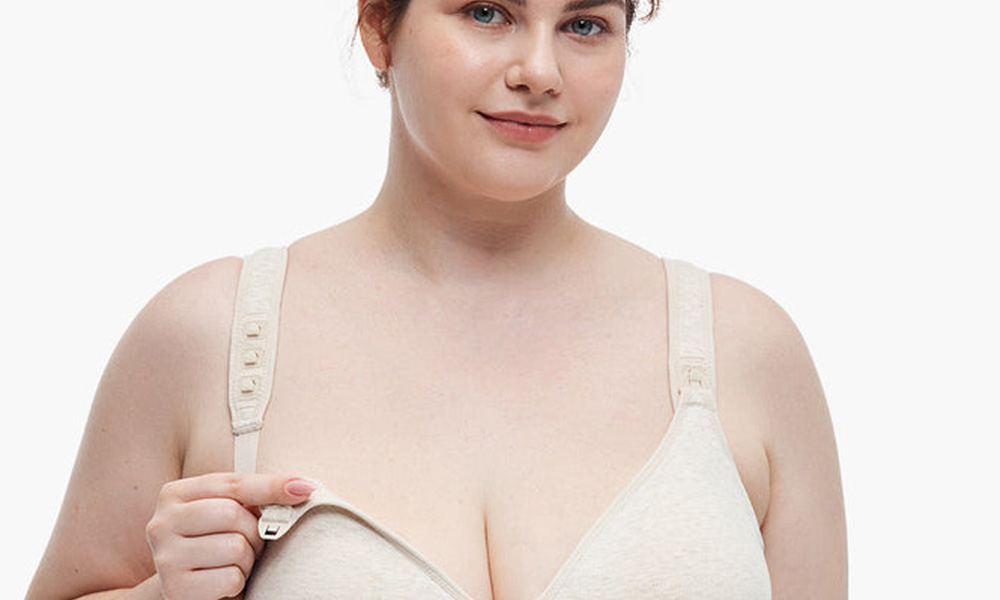
Finding a nursing bra that truly fits and supports you should be the least of your worries during those early weeks of motherhood — yet for plus-size moms, it often becomes a surprisingly frustrating challenge. Standard nursing bras rarely accommodate larger cup sizes or fuller frames, leaving many women cycling through ill-fitting options that dig in, fall apart, or simply fail to provide the support their bodies genuinely need.
This matters more than it might seem. A well-fitting plus size nursing bra isn’t just a comfort preference — it directly influences your breastfeeding experience. Proper support can ease back and shoulder strain, help maintain a comfortable latch, and even support healthy milk flow. The wrong bra, on the other hand, can lead to clogged ducts, persistent pain, and added stress during an already demanding time.
This guide is here to change that. Whether you’re newly pregnant, freshly postpartum, or several months into your breastfeeding journey, you’ll find practical, clear advice on how to find a plus size breastfeeding bra that delivers real support, all-day comfort, and enough style to make you feel like yourself again. Let’s make one less thing harder than it needs to be.
Why a Specialized Plus Size Nursing Bra is Essential
Larger breasts undergo significant changes during the postpartum period — they grow heavier, become more sensitive, and shift in shape as milk comes in. For plus-size moms, these changes are often more pronounced, placing considerable strain on the neck, shoulders, and upper back. Without adequate structural support, that additional weight pulls the spine forward, leading to chronic tension that compounds with the physical demands of feeding, carrying, and caring for a newborn. A bra designed specifically for this body type and life stage isn’t a luxury — it’s load management for your musculoskeletal system.
The connection between proper support and breastfeeding success runs deeper than comfort. When breast tissue is compressed unevenly — a common result of an ill-fitting bra — milk ducts can become blocked. Tight bands that dig into the sides or underwires that press against breast tissue near the armpit are frequent culprits behind mastitis and recurring clogged ducts in larger-busted women. A well-engineered plus size nursing bra distributes weight evenly, keeps tissue lifted without constriction, and creates the physical stability that makes latching easier for both mom and baby.
Standard nursing bras fall short for plus-size moms in predictable ways. Most are designed with a narrow size range in mind, meaning the band may run too snug, the cup coverage too shallow, or the straps too thin to handle real weight across a full day. Regular plus-size bras without nursing access might seem like a workaround, but fumbling with clasps or pulling fabric aside during feeds adds unnecessary friction to an already demanding routine. A specialized plus size breastfeeding bra solves for all of this at once — combining the structural engineering needed for larger frames with the functional accessibility breastfeeding actually requires. It’s one of the few postpartum investments that pays off every single day.
Your Guide to Choosing the Perfect Plus Size Breastfeeding Bra
Step 1: Finding Your Perfect Fit (Beyond the Tape Measure)
Accurate measurement is your starting point, but it’s only half the equation. To measure at home, use a soft tape measure while wearing a non-padded bra. Measure snugly around your ribcage just beneath your breasts for your band size, then measure around the fullest part of your bust. The difference between those two numbers determines your cup size. For plus-size women, it’s critical to measure both during pregnancy and again once your milk comes in, as your size can shift by two or more cup sizes within days of delivery. A good fit means the band sits level across your back without riding up, cups fully contain breast tissue without spillage at the sides or top, and straps lie flat without cutting in. If you’re experiencing a gap at the top of the cup or the band is creeping upward throughout the day, sizing up in the cup or down in the band is usually the fix — not squeezing into your pre-pregnancy size in hopes it will stretch out.
Step 2: Key Features to Prioritize for Support and Comfort
For plus-size moms, certain structural features aren’t optional extras — they’re the difference between a bra that works and one that fails by noon. A wide, firm underband is the foundation of genuine support; it should bear most of the breast weight so your shoulders aren’t compensating. Full-coverage cups prevent tissue from escaping the sides and top during feeding and movement. Straps need real width — at least three-quarters of an inch — and full adjustability to accommodate the way your bust changes throughout the day as you feed. Nursing clips should be operable with one hand while holding a baby, with a secure latch that won’t pop open unexpectedly. Boning along the sides or a structured panel at the front adds further stability for very full busts, preventing the band from rolling and keeping cups in position across long wear.
Step 3: Fabric and Construction: What to Look For
Material choices directly affect how comfortable a plus size nursing bra feels after hours of continuous wear. Cotton blends offer breathability and softness against sensitive postpartum skin, making them ideal for everyday wear and sleep. Moisture-wicking microfiber manages leakage and perspiration without feeling stiff or bulky — a practical advantage during the early weeks when leaking is unpredictable. Stretch elastic in the band should have enough recovery to hold its shape through repeated wash cycles without going slack, as a worn-out band loses its core support function quickly. Seamless or flat-seam construction matters more than most new moms anticipate: visible seams against engorged, tender breast tissue cause chafing that worsens throughout the day. For plus-size frames, lined cups with minimal internal seaming reduce pressure points while providing the coverage and shape a fuller bust needs under everyday clothing.
Step 4: Nursing Bra Styles for Different Needs
No single style covers every situation across your breastfeeding journey, and having a small rotation of different types makes a meaningful practical difference. A wireless everyday bra with full coverage and drop-down cups handles most daytime feeds comfortably — it’s the workhorse style that suits the widest range of activities. For overnight use, a soft sleep nursing bra provides gentle support without underwires or firm structure pressing against breast tissue during long hours of rest, which is especially important for preventing blockages at night. Active moms benefit from a dedicated nursing sports bra with reinforced support and easy nursing access, since high-impact movement in an unsupportive bra puts additional strain on Cooper’s ligaments. If you’re pumping, investing in at least one hands-free pumping bra — or a bra with built-in pumping compatibility — removes the logistical hassle of holding flanges in place and frees you to multitask during sessions. Matching your style choice to the specific demand of each part of your day is what makes the difference between enduring your bra and forgetting you’re wearing it.
Top Recommendations: Plus Size Nursing Bras for Every Mom
Navigating the market for plus size nursing bras is far less overwhelming when you know which categories to focus on and what each type does best. Rather than chasing a single “perfect” bra, building a small collection across these key categories gives you the right tool for every part of your day.
For maximum support during daytime wear, look to structured full-bust nursing bras from brands like Bravado Designs, Cake Maternity, and Elomi. These labels engineer specifically for larger cup sizes — typically up to a K cup — with reinforced underbands, multi-row hook-and-eye closures, and wide-set straps that distribute weight without cutting into your shoulders. Their drop-down nursing cups open smoothly with one hand and stay securely in place between feeds.
For overnight comfort and sleep, soft-cup nursing bras from brands like Kindred Bravely and Motherhood Maternity deliver gentle hold without the rigid structure that can press uncomfortably against full breasts during rest. These bras use stretch fabric panels and light interior support to prevent tissue compression while keeping you modestly covered during night feeds.
Active moms benefit most from nursing sports bras designed for high-impact movement. Handful and Cake Maternity offer reinforced options with encapsulation-style cups for larger busts, reducing bounce and protecting Cooper’s ligaments without sacrificing feeding access.
For pumping convenience, brands like Momcozy, Rumina, and Simple Wishes make hands-free pumping bras compatible with most major breast pump flanges in extended plus size ranges — a practical consideration for moms who pump regularly and need reliable, comfortable fit throughout long sessions. Some everyday nursing bras from Bravado also include built-in pumping compatibility, making them a strong double-duty investment. When choosing within any of these categories, confirm the brand’s size range covers your specific band and cup combination — not just a general “plus size” label — since fit precision is what separates a genuinely supportive bra from one that simply comes in a larger number.
Common Mistakes to Avoid When Shopping
One of the most costly errors plus-size moms make is sizing down in the band, believing a tighter fit equals better support. It doesn’t — a band that’s too small compresses breast tissue and raises your risk of blocked ducts. Equally damaging is prioritizing appearance over function; a bra that looks great but lacks structural integrity won’t hold up through a full day of feeds. Many moms also overlook pump compatibility until they’re already managing a pumping schedule, then discover their nursing bras require a separate hands-free bra entirely. Buying just one or two bras is another misstep — you need enough rotation to allow washing and drying between wears, especially during the leaking-heavy early weeks. Finally, dismissing different styles as unnecessary means you’ll likely wear the wrong bra type for rest or exercise, compounding discomfort. Testing at least two styles early on helps you build a practical, functional collection rather than making do with one imperfect option.
Investing in the Right Nursing Bra for Your Wellbeing
A well-fitting plus size nursing bra is one of the most practical investments you can make in your own breastfeeding journey — not a secondary concern to sort out after everything else, but a genuine foundation for daily comfort and long-term health. The right bra reduces physical strain, supports milk flow, and removes friction from the repetitive demands of feeding around the clock.
When you’re evaluating your options, return to the three core criteria that matter most: fit, features, and fabric. Fit means a band that stays level, cups that fully contain your tissue, and straps that carry weight without digging. Features mean real structural support — wide underbands, full-coverage cups, secure one-hand nursing clips. Fabric means breathable, skin-friendly construction that holds its shape through daily wear and washing.
Most importantly, your comfort is not a minor consideration — it’s directly tied to how sustainable breastfeeding feels for you. Prioritizing your own physical wellbeing isn’t indulgent; it’s part of showing up well for your baby every single day. Give yourself permission to invest in this, try more than one style, and find what actually works for your body. You deserve support that keeps pace with everything you’re doing.