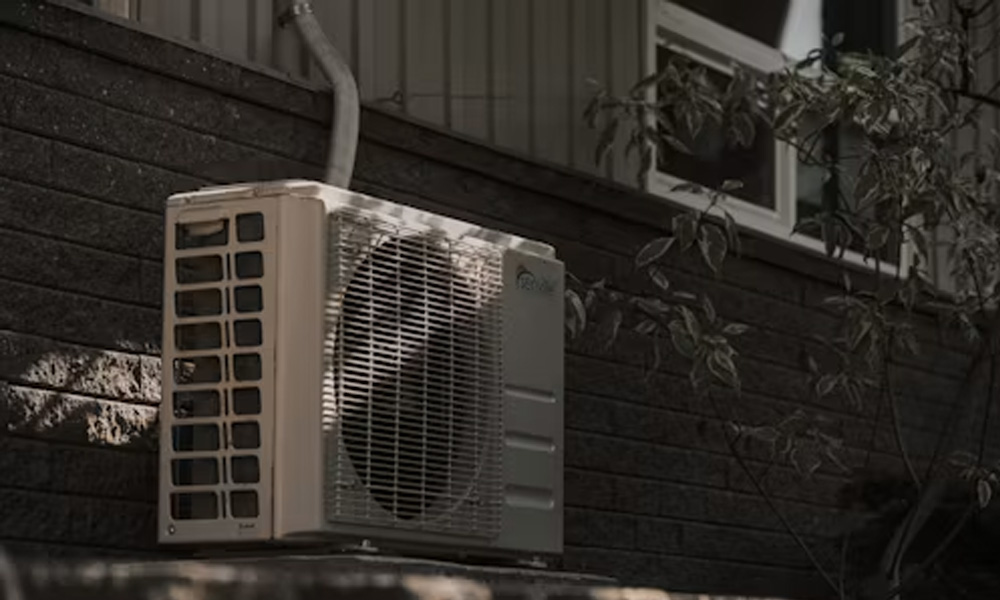
Choosing a new heating and cooling system is a significant investment that affects comfort, energy use, indoor air quality, and long-term household expenses. Many homeowners focus mainly on the price of the equipment, but the installation process plays an equally important role in how the system performs over time. A properly planned installation can help maintain consistent temperatures, reduce unnecessary energy consumption, and extend the lifespan of the equipment.
Understanding what happens before, during, and after installation allows homeowners to make informed decisions, avoid common mistakes, and feel confident that their new HVAC system will meet their household’s needs for many years.
Key Factors to Consider
-
Understanding How Proper System Sizing Influences Performance
One of the most important aspects of HVAC installation services is selecting equipment that matches the home’s actual heating and cooling requirements. A larger system does not automatically provide greater comfort, just as a smaller unit does not always reduce costs. Oversized equipment may cool or heat rooms too quickly, failing to run long enough to remove excess humidity, while undersized equipment may struggle continuously during periods of extreme weather. Professional sizing calculations consider the home’s square footage, insulation quality, window placement, ceiling height, local climate, and the number of occupants. These factors work together to determine how much heating and cooling capacity is truly required. Homeowners should also remember that recent home improvements, including upgraded insulation, replacement windows, or room additions, may change the property’s heating and cooling needs compared to older equipment.
Asking how sizing decisions are made helps ensure the recommended system fits the home’s actual conditions, rather than relying solely on the size of the previous unit. Proper planning before installation creates a stronger foundation for dependable performance and helps reduce unnecessary operating costs throughout the equipment’s life.
-
Evaluating Installation Quality Beyond the Equipment
Even high-quality HVAC equipment cannot perform efficiently if installation practices are rushed or incomplete. Every connection, electrical component, refrigerant line, duct attachment, and airflow adjustment contributes to how the system functions once it begins operating. Homeowners should understand that installation includes much more than placing a new indoor and outdoor unit. Technicians often inspect existing ductwork, evaluate ventilation pathways, verify electrical capacity, and ensure condensate drainage functions correctly. These details influence comfort just as much as the equipment itself. Homeowners considering Heat Pump Installation in Woodinville, WA, should also understand that local climate conditions influence system selection and installation requirements.
Careful attention to airflow balancing ensures each room receives an appropriate amount of conditioned air, reducing uneven temperatures throughout the home. Proper refrigerant charging also supports efficient operation and prevents unnecessary strain on system components. Installation crews should test the completed system before leaving the property, confirming that thermostat controls, safety switches, airflow measurements, and temperature outputs meet expected operating conditions. When homeowners understand the many steps involved, they gain greater confidence that the investment extends beyond simply purchasing new equipment.
-
Considering Energy Efficiency and Long-Term Operating Costs
Many homeowners naturally compare purchase prices when selecting a new HVAC system, but long-term operating expenses deserve equal attention. Higher-efficiency equipment often reduces monthly utility bills while providing more consistent indoor comfort throughout changing seasons. Efficiency ratings help compare different models, but those numbers only reflect their intended value when installation supports proper operation. Air leaks in ductwork, incorrect refrigerant levels, poor airflow, or improperly sealed connections can reduce expected efficiency regardless of the equipment’s rating. Homeowners should also consider how programmable thermostats, zoning systems, and variable-speed technology may improve energy management over time. Instead of running at full capacity whenever heating or cooling is needed, some modern systems adjust their output based on indoor demand, reducing unnecessary energy consumption while maintaining comfortable temperatures.
Maintenance requirements should also be discussed before installation because regular inspections, filter replacements, and seasonal servicing help preserve efficiency year after year. Thinking beyond the initial purchase price helps homeowners evaluate total ownership costs, making it easier to choose a system that balances installation expenses with future savings and dependable performance over its expected lifespan.
-
Preparing the Home Before Installation Day
Installation day goes much more smoothly when homeowners prepare their property in advance. Clear access to indoor equipment, outdoor units, electrical panels, attic spaces, basements, or utility closets allows technicians to work safely and efficiently. Furniture, stored items, or landscaping near installation areas may need to be temporarily relocated to provide sufficient workspace. Homeowners should also discuss scheduling expectations before work begins, including estimated completion times and whether heating or cooling services will be temporarily unavailable during installation. Older systems sometimes require additional modifications, particularly if electrical upgrades, duct adjustments, or ventilation improvements become necessary. Understanding these possibilities beforehand reduces unexpected surprises during the project. It is also helpful to ask whether existing thermostats will remain compatible or require replacement with updated controls.
Some installations include new drain lines, refrigerant piping, or electrical disconnects, depending on the condition of existing components. Communication throughout the installation process helps homeowners understand each stage of the work and ensures questions receive timely answers. Proper preparation supports a more organized installation experience and helps reduce delays that could otherwise extend the project’s completion.
-
Looking Beyond Installation Toward Future Maintenance
Purchasing a new HVAC system marks the beginning of a long-term relationship between the homeowner and the equipment rather than the end of the decision-making process. Once installation is complete, regular maintenance is essential to preserve efficiency, protect components, and minimize unexpected repairs. Homeowners should understand the recommended maintenance schedule before the installation team finishes the project. Simple responsibilities such as replacing air filters, keeping outdoor units free from leaves and debris, and monitoring thermostat settings contribute to reliable operation throughout the year. Professional inspections allow technicians to identify worn parts, verify refrigerant levels, inspect electrical connections, and confirm that airflow remains balanced as the system ages.
Warranty coverage may also depend upon following the manufacturer’s maintenance recommendations, making routine service beneficial for both performance and protection. Homeowners should keep installation documents, warranty information, maintenance records, and operating manuals together for future reference. Becoming familiar with normal operating sounds, airflow patterns, and thermostat functions also helps identify changes early before small concerns develop into larger repair needs. Continued attention after installation supports dependable indoor comfort while helping homeowners protect one of the home’s most valuable mechanical investments.
Buying a new HVAC system involves much more than selecting equipment from a catalog or comparing prices between different models. Installation quality, proper sizing, home preparation, energy efficiency, and ongoing maintenance all contribute to how well the system performs over the years. Homeowners who understand these factors can ask meaningful questions, make informed decisions, and feel more confident throughout the installation process.
A thoughtful approach helps create reliable indoor comfort, reduces operating costs, and ensures consistent performance in every season. Careful planning before installation often leads to fewer unexpected issues and greater satisfaction with the investment long after the new system begins operating.