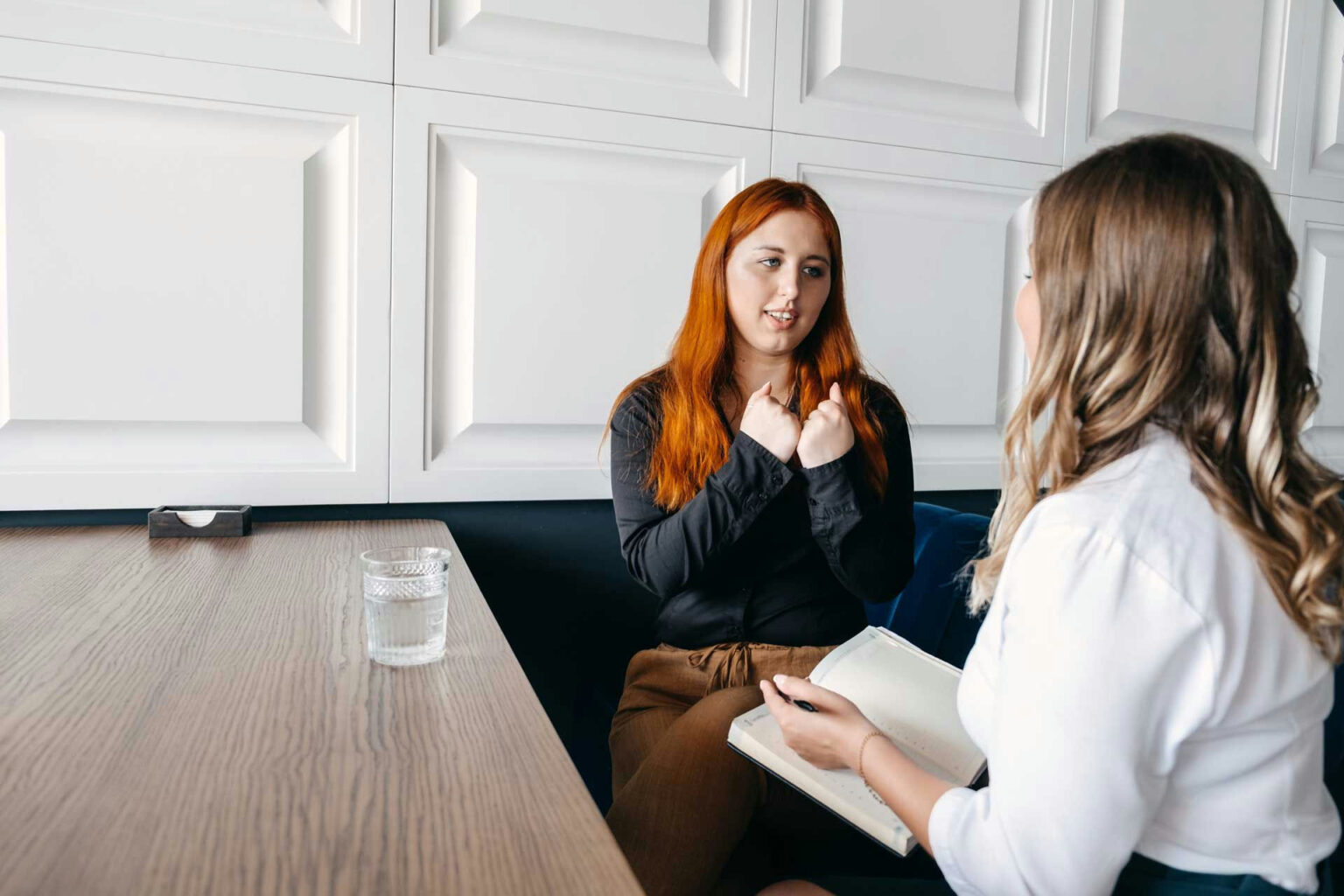
Stress does not always look like panic. It does not always come with tears, shouting, or a dramatic moment where everything falls apart. Most of the time, stress is much quieter than that. It slips into ordinary routines and hides inside habits that seem normal at first.
You stay up too late even though you are exhausted. You snack when you are not hungry. You scroll through your phone for “five minutes” and somehow lose half an hour. You cancel plans because you feel drained. You snap at someone over something small, then wonder why you reacted like that.
That is how stress works. It does not always announce itself. It blends in.
For many people, especially those juggling work, money worries, family needs, health concerns, and the constant buzz of digital life, stress becomes part of the background. You get used to feeling tense. You get used to being tired. You get used to saying, “I’m fine,” even when your body and mood are telling a different story.
But everyday habits can reveal a lot. They can show when stress is building up. And once you notice the pattern, you can start making small changes that actually fit real life.
Stress Often Starts With Small Changes
Stress rarely changes a person overnight. It usually begins with small shifts that are easy to excuse.
Maybe you start skipping breakfast because your mornings feel rushed. Maybe you keep ordering takeaway because cooking feels like too much effort after a long day. Maybe you stop replying to messages because every conversation feels like one more task. None of these habits seems serious on its own. That is why they are easy to miss.
But small changes can add up.
When the mind feels overloaded, it looks for shortcuts. It wants comfort, speed, and escape. That is why stress often leads people toward quick fixes. A sugary snack. Another coffee. Another hour online. Another cancelled plan. Another “I’ll deal with it tomorrow.”
There is nothing wrong with needing comfort. Everyone does. The issue starts when comfort becomes the only way to cope. A stressful day can make anyone reach for crisps, sit on the sofa, and ignore the washing. That is normal. But when that becomes the main routine, it is worth pausing.
Stress can make life feel heavy in ways that are hard to explain. You still show up for work. You still answer emails. You still do what needs to be done. From the outside, everything may look fine. Inside, though, even simple tasks can feel like pushing a trolley with a stuck wheel.
The “I’m just tired” trap
A lot of people mistake stress for ordinary tiredness. And yes, stress can make you tired. But there is a difference between needing a good night’s sleep and feeling worn down by everyday life.
If opening your inbox makes your chest tighten, that is not just tiredness. If choosing what to eat feels like a major decision, that is not just laziness. If small noises, small delays, or small comments make you feel ready to explode, stress is probably sitting closer than you think.
This does not mean something is wrong with you. It means your system is under pressure.
Your Body Keeps the Score, Even During Normal Days
Stress does not stay in the mind. It moves into the body.
Some people feel it in their shoulders. Others feel it in their stomach, jaw, back, or head. You might notice tight muscles, headaches, stomach discomfort, shallow breathing, or a strange, restless feeling that follows you through the day.
Sleep often changes, too. You can feel tired all evening, then suddenly feel wide awake the moment you get into bed. Your brain starts replaying conversations, planning tomorrow, worrying about bills, or remembering something awkward from three weeks ago. It is annoying, but it is also common.
Food habits can shift as well. Some people eat more when they are stressed because food gives fast comfort. Others lose their appetite because their body feels stuck in alert mode. Neither response makes someone weak. These are signals. The body is trying to manage pressure in the only way it knows at that moment.
Think of stress like a car dashboard light. You can ignore it for a while. The car may still run. You may still get where you need to go. But the light is there for a reason. It is asking you to check what needs attention.
The same is true with your body. A tight jaw, poor sleep, or constant fatigue is not just random noise. It is information.
Digital Habits Can Turn Stress Into Background Noise
Scrolling is one of the most common stress habits now. It feels harmless because everyone does it.
You pick up your phone to relax. Then you check Instagram, watch a few TikToks, read the news, answer a message, look at a comment thread, and somehow feel worse than before. Not always awful. Just foggy. Drained. A bit irritated.
That is the strange thing about digital stress. It can feel like rest while giving your brain more work to do.
Phones are not the enemy. Sometimes a funny video, a voice note from a friend, or a quick search on Google genuinely helps. The problem starts when scrolling becomes the main way you avoid stress. Instead of giving your mind space, it fills every quiet moment with more noise.
And because apps are built to hold attention, it is easy to stay longer than planned. One video leads to another. One headline leads to another. One message turns into twenty minutes of checking everything.
You know what? The best test is simple. Ask yourself how you feel after the habit. Do you feel calmer and clearer, or do you feel more tense, distracted, and behind?
That answer matters.
Try a softer screen reset
You do not need to delete every app or pretend modern life can happen without a phone. For most people, a few small boundaries help more than a dramatic digital detox.
Charge your phone away from the bed. Keep it out of your hand during meals. Take one short walk without headphones. Let the first ten minutes of the morning happen before checking notifications. These changes sound tiny, but tiny changes are often the ones people can keep.
Stress loves constant input. So even a small quiet space in the day can feel like fresh air.
Stress Can Make People Pull Away From Others
Stress often makes people withdraw. At first, it can feel sensible. You are tired, so you cancel dinner. You feel overwhelmed, so you ignore a message. You do not want to explain yourself, so you stay quiet.
Everyone needs time alone. That is normal. But stress can turn a healthy space into isolation.
The more you pull away, the harder it can feel to reconnect. Then guilt starts to build. You feel bad for not replying. You feel awkward about cancelling. You feel like you need a perfect explanation before reaching out again. So you wait. And the gap gets wider.
But most people do not need a perfect explanation. They need a real one.
A simple message can help. “I’ve been overwhelmed, but I don’t want to disappear.” Or, “I’m not up for a big night out, but I’d love a coffee soon.” That kind of honesty keeps the connection alive without forcing you to pretend.
Support does not always need to look serious. It can be a walk, a shared lunch, a quick chat, or sitting with someone while you talk about nothing important. Sometimes the small, ordinary moments help the most.
For people whose stress is tied to substance use, emotional dependence, or habits that feel hard to control, support becomes even more important. Professional help, including therapy for addiction treatment, can give people space to understand what sits underneath the pattern, not just the behaviour on the surface.
Stress often has roots. Work pressure, grief, money worries, loneliness, family conflict, and past pain can all shape daily habits. Talking about those roots can make change feel less lonely.
Movement Helps, But Not in the Punishing Way
People often suggest exercise for stress, and there is a reason for that. Movement helps the body release tension. It can improve mood, support sleep, and give restless energy somewhere to go.
But when someone already feels stressed, being told to “just exercise” can sound like another job.
Not everyone wants a gym plan, a strict routine, or a fitness watch counting every step. Sometimes movement needs to feel simple. A walk to the shop counts. Stretching while the kettle boils counts. Cleaning the kitchen with music on counts. Getting outside for ten minutes counts.
The point is not performance. The point is release.
Stress can make the body feel trapped. Movement reminds it that it is not. Even a short walk can shift the day a little. You breathe differently. Your eyes look at something other than a screen. Your thoughts loosen. Not always, but often enough to make it worth trying.
Still, rest matters too. This is where wellness advice can get a bit silly. It tells people to move more, sleep more, cook better, meditate, drink water, work hard, slow down, and somehow do all of it perfectly. No wonder people feel overwhelmed.
Movement should not become another way to punish yourself. It should support you.
Think “release,” not “performance”
If you are stressed, ask what kind of movement feels like relief. Not what looks impressive. Not what burns the most calories. Not what sounds good on a routine app.
For one person, it is a slow walk near the Quays. For another, it is swimming, yoga, dancing in the kitchen, gardening, or kicking a football around with the kids. The right movement is the one you will actually do without hating every second of it.
That is the honest version of fitness during stressful times.
Everyday Stress Needs Everyday Tools
A lot of wellness advice sounds neat, but real life is not neat.
People have bills, deadlines, children, traffic, group chats, family tension, health appointments, and work messages arriving after hours. So stress tools need to fit into normal days. They cannot all require an hour, a quiet room, and a perfect morning routine.
A useful stress habit can be as simple as drinking water before your second coffee. It can be taking three slow breaths before replying to a tense message. It can be putting one proper meal into your day, even if the rest of the day is messy. It can be stepping outside for a few minutes when the weather is grey, and the pavement looks dull.
Small things are not pointless. Small things are often the only things that survive a busy week.
Another helpful step is reducing decision clutter. Stress gets worse when every part of the day asks for another choice. What should I eat? What should I wear? What should I answer first? What am I forgetting? Why is there always something?
Simple routines can reduce that noise. Keep easy meals at home. Put your keys in the same place. Choose clothes the night before. Set a rough bedtime. Write down the one task that matters most tomorrow.
It sounds boring, but boring can be peaceful. And when life feels loud, peaceful is not a small thing.
When Stress Becomes More Than Stress
Most everyday stress improves with rest, support, better routines, and time. But sometimes stress becomes heavier than that.
If someone starts using substances to get through the day, misses work, avoids family, loses control of habits, or feels unable to manage basic tasks, the situation needs more care. That is not just a rough week. That is a sign that support matters.
There is no shame in needing help. People often wait until life is falling apart before they reach out, but help does not have to be the last step. It can be the thing that stops things from getting worse.
For some people, structured care such as Inpatient rehab in Massachusetts provides space, routine, and professional support when daily life has become too difficult to manage alone.
Of course, not every stressed person needs formal treatment. Many people need rest, honest conversations, practical support, and better boundaries. But if your habits are changing in ways that worry you, pay attention. Worry can be useful. It can point to something that needs care.
A Calmer Life Is Built in Ordinary Moments
Stress is part of life, but it should not run the whole show.
It shows up in small places first. The late-night scrolling. The sharp reply. The skipped walk. The extra drink. The unopened message. The poor sleep. The “I’m fine” that does not feel true.
And because stress shows up in small places, change can begin there too.
You do not need to fix your whole life in one week. You can start with one honest check-in. One earlier night. One walk. One proper meal. One phone-free hour. One message to someone you trust. One moment where you stop pretending everything is fine.
That sounds simple because it is simple. But simple does not mean weak.
The habits you repeat shape how life feels. So it helps to notice them without judging yourself. Be curious. Be honest. Ask what your routine is trying to tell you.
Stress may speak quietly, but it does speak. Once you start listening, you can begin changing the parts of daily life that no longer help you.