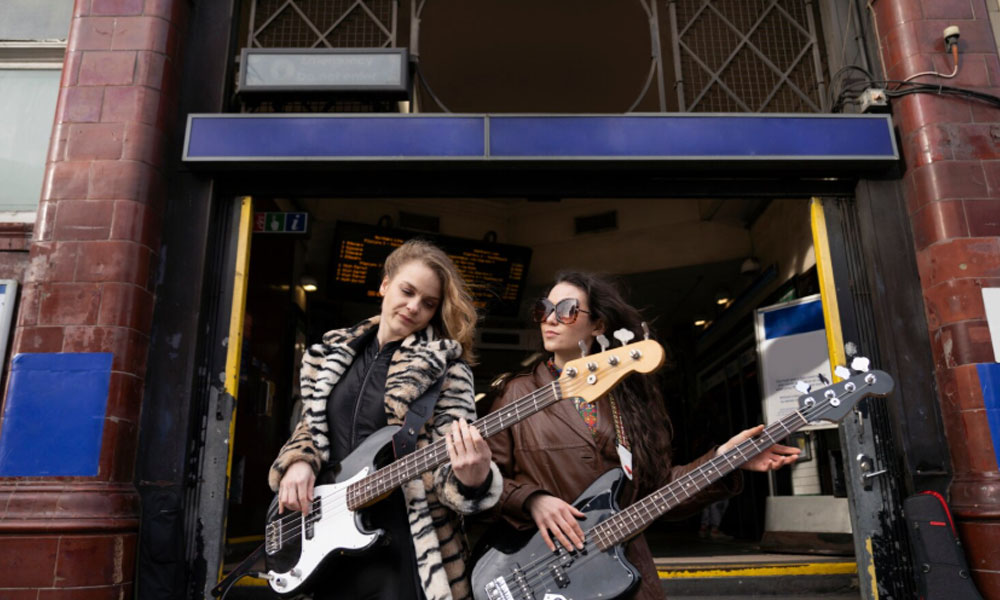
While Las Vegas is globally renowned for elaborate spectacles, a raw and rebellious pulse beats beneath the neon. For decades, punk rock bands in Las Vegas have carved out a space of their own, finding creative liberty just beyond the reach of the mainstream Strip. This transition from hidden garages to a thriving, recognized musical subculture is a testament to the relentless spirit of local artists. Today, that energy is more palpable than ever, fostering a unique musical environment defined by authenticity and grit.
The evolving landscape of the Las Vegas punk scene
The local scene has transformed from a series of scattered, underground gatherings into a unified force that commands respect across the country. What started with limited resources and minimal venues has expanded into a complex web of artists, promoters, and dedicated fans who define the city’s identity. This evolution wasn’t accidental but rather the product of unwavering commitment from generations of musicians who refused to let their voices be silenced. By prioritizing community over commercial viability, the scene has successfully navigated the challenges of a transient tourist city.
From underground origins to global influence
Early punk in Las Vegas grew out of a visceral reaction to the polished entertainment that dominated the surrounding landscape. Artists found solace in simple song structures and high-energy performances that served as a powerful form of catharsis. These initial, gritty performances laid the bedrock for a movement that eventually gained global reach, proving that raw, DIY sounds could strike a chord far beyond state lines.
The shift toward the Arts District and Downtown
As the city matured, the cultural focus shifted away from the Strip and directly into the heart of the Arts District and Downtown areas. These neighborhoods offered the affordable, gritty spaces needed for artistic exploration rather than the sterile constraints of hotel-based performance venues. This geographic move allowed for a vibrant, concentrated hub where musicians could experiment without the pressure to conform, essentially recalibrating the city’s aesthetic center.
Building momentum through consistent local programming
The true strength of this landscape remains its reliance on consistent, local-led programming that keeps the calendar full. Instead of chasing short-term trends, the organizers focused on building a reliable circuit for bands to play, ensuring that performers always had a place to land. This stability has been vital, allowing performers to hone their craft before consistently enthusiastic crowds that prioritize participation over passive consumption.
The role of The Punk Rock Museum in preservation
Preservation requires more than just storing old posters and broken guitars in a back room; it requires a living, breathing connection to the past. The Punk Rock Museum acts as a critical anchor for this mission, ensuring that the legacy of the movement isn’t lost to time or neglect. By creating a physical space that treats the genre with the reverence it deserves, the museum invites fans to see themselves as part of a historical narrative. This, in turn, provides the inspiration necessary for the next generation of musical pioneers to continue the work.
Curating historical artifacts for future generations
The museum houses an expansive collection of memorabilia, ranging from handwritten lyrics to legendary instruments that define the era. Each item tells a story, serving as a tangible connection to the artists who braved the early days of the genre. By preserving these objects, the space ensures that the history of punk remains accessible to anyone curious enough to explore its deep, complex roots.
Providing a platform for legendary musicians and storytellers
Beyond just static objects, The Punk Rock Museum excels by inviting those who lived the history to guide the narrative. These legends share stories that aren’t found in books, offering an unparalleled insider perspective that breathes life into the exhibits. Their involvement guarantees that the oral history of the movement is passed down accurately, maintaining the vitality of the local and national culture at once.
Bridging the gap between classic punk history and current trends
The museum acts as a bridge, linking the foundational sounds of the past with the diverse, modern iterations of the genre. By showcasing how history influences current artists, it reinforces the message that punk was never a static moment in time, but a continuous shift. This interplay helps demystify the creative process, showing visitors exactly how three chords and an idea can turn into a lasting cultural movement.
Why local venues are the heart of live music
The strength of any music scene lives within the dark, sweaty corners of its local clubs where artists and fans interact on equal footing. These venues offer more than just a sound system and a stage; they provide a sanctuary where the DIY ethos can thrive without corporate interference. In an era where music is often digitized and distanced, these spaces remind audiences why live music remains so vital to the human experience. Their ability to sustain the local community rests entirely on their commitment to accessibility and unfiltered expression.
The central community role of Three Star Punk Bar
The Three Star Punk Bar stands as a pillar for the local community, offering an essential spot for post-show discussions and camaraderie. It serves as a gathering ground for fans to share insights, debate music history, and strengthen the social bonds that make a scene function. This bar provides an inclusive, rebellious environment that welcomes everyone from seasoned roadies to curious newcomers who want to understand the heartbeat of the local scene.
Sustaining the gritty vibe at the Double Down Saloon
The Double Down Saloon remains synonymous with the gritty aesthetic that defines the darker, more aggressive side of the genre. By maintaining an atmosphere of pure, no-nonsense authenticity, the venue provides a stark contrast to the surrounding polished casinos. Patrons flock here precisely because of its commitment to unpolished, honest atmosphere, ensuring that the edge of the movement remains sharp and unapologetic.
How intimate clubs provide a testing ground for experimental sounds
Small, intimate clubs offer the only real environment for artists to take risks and experiment with new sounds. Without the pressure of selling out massive theaters, performers can push the boundaries of their genre in front of a receptive, tight-knit crowd. These venues act as a crucial proving ground, allowing bands to fail, learn, and eventually master the raw energy that defines their sound before moving on to larger stages.
Supporting emerging punk rock bands in Las Vegas
Supporting newer groups is the most effective way to ensure the long-term health of the musical ecosystem. Without intentional efforts to lower barriers to entry, a scene can easily stagnate into a closed circle of established acts. A healthy community always creates space for the next wave, providing resources and encouragement to those taking their first steps on stage. This nurturing spirit separates a thriving scene from one that is merely remembering its glory days.
Balancing opportunities for local and touring acts
Effective promotion often involves balancing marquee touring acts with the local talent that consistently sustains the scene day in and day out. This mix ensures that local bands get exposure to larger audiences while also providing the community with a diversity of styles that keeps the experience fresh. When managed correctly, this dynamic programming approach allows the scene to grow without sacrificing its core local identity.
The importance of low-barrier access for newer bands
To encourage innovation, newer bands must have easy entry to the performance ecosystem with minimal logistical hurdles. Many established hubs provide open-mic nights or demo opportunities that allow novices to gain confidence without needing a professional manager. This inclusive culture of access ensures that high ticket prices or complex industry requirements don’t act as a gatekeeper to artistic expression.
Creating dedicated spaces for diverse subgenres
True diversity in a music scene requires dedicated pockets where subgenres can flourish away from the mainstream spotlight. Whether it is hardcore, pop-punk, or experimental noise, having spaces that cater to specific sounds helps cultivate a broader, more vibrant scene overall. By nurturing these distinct pockets, organizers create a richer landscape where bands can find their unique niche without feeling pressured to conform to one single aesthetic.
Cultivating the DIY ethos within the city
The DIY spirit is the lifeblood that separates punk from more commercialized forms of mass-produced art. It is a philosophy that encourages artists to view their creativity as a tool for autonomy rather than a product to be sold to the highest bidder. This commitment to independence fosters a sense of ownership, as the fans become active partners in maintaining the very culture they support. It is this shared ownership that leads to the most resilient and imaginative communities.
The most powerful tools for creation are not found in expensive recording studios but in the hands of people willing to make their own rules and build their own stages.
Fostering a culture of independence and artistic autonomy
Independence is not just a preference; it is a necessity for maintaining a clear and uncompromised vision. When bands take charge of their own production, distribution, and promotion, they maintain total control over their creative output. This level of autonomy is visible in everything from handmade zines to independently released records that challenge the status quo of the industry.
The impact of independent promotion and grassroots organizing
Grassroots efforts usually drive the most effective outreach, relying on personal networks rather than traditional advertising. By organizing shows through word-of-mouth and community boards, promoters ensure the right people are in the right rooms. This authentic connections-based approach builds a level of trust that corporate-run venues simply cannot replicate, making each event feel like a private, meaningful experience for attendees.
Encouraging collaboration over traditional industry hierarchies
Instead of competing for limited professional resources, the local community flourishes when bands help each other succeed. This collaborative mindset manifests in shared gear, joint touring plans, and rotating show rosters. By stripping away hierarchy, musicians can spend more energy creating and less energy worrying about fame, which ultimately elevates the quality of the art produced within the city.
Future outlook for the Las Vegas punk community
The longevity of any genre depends on its ability to evolve alongside the next generation while honoring its defining roots. As technology and cultural tides change, the local movement is finding new ways to remain relevant through hybrid approaches. By bridging the gap between historical awareness and future ambition, the scene is positioning itself to remain a focal point of artistic integrity. This focus on long-term sustainability ensures the community will thrive well into the coming years.
Engaging younger demographics and new fans
Reaching new fans requires a mix of accessibility and outreach that speaks to a digital-first generation without abandoning the physical experience. Interactive exhibits, social media advocacy, and inclusive, all-ages shows remain the primary ways to bring fresh faces into the fold. When younger fans see that their presence is valued, they are far more likely to contribute to and sustain the culture they have just discovered.
The intersection of local art galleries and music venues
An exciting trend for the future involves blending visual art with live performance to create a more comprehensive cultural experience. Galleries that double as intimate music studios offer a space for collaborative growth between painters, zinesters, and musicians. This blended creative approach creates a more immersive environment for participants, reinforcing the idea that punk is a total cultural lifestyle rather than just a sound.
Maintaining a sustainable scene beyond major festival cycles
While large events bring temporary attention, the true health of the scene rests on the quiet, day-to-day work of local clubs. Developing year-round, sustainable programming is the most effective way to prevent the burnout that often follows massive festival weekends. By keeping the energy consistent throughout the calendar, bands can rely on a steady local fan base that sticks around, creating a stable foundation that endures even when the major crowds leave town.
Frequently Asked Questions
Can I visit the museum even if I am not an expert on punk rock music history?
Absolutely, the museum is designed to be welcoming to both lifelong fans and individuals who are simply curious about cultural history.
Why is the DIY ethos so important to the punk scene in Las Vegas?
It ensures that the music and art remain authentic and under the control of the creators rather than dictated by corporate industry trends.
Are there opportunities for newer bands to get involved in the local scene?
The local scene is very supportive of emerging acts, with many small clubs and neighborhood venues providing consistent stages for new talent.
How does the architecture of local venues influence the live music experience?
Smaller, intimate spaces allow for a more direct connection between the performers and the audience, which is essential to the raw energy of punk music.
Are the historical artifacts and exhibits at the museum interactive?
Yes, the museum prides itself on being a hands-on experience, and visitors can even play some of the instruments used by legendary bands in dedicated rooms.
Is the local punk scene strictly confined to music?
No, it encompasses visual art, zine making, tattoo culture, and a wider philosophy of independence that touches many different aspects of creative life.
How can someone best support the local punk scene if they want to get involved?
The best way to support the scene is to attend local shows, visit community-focused clubs, and participate in grassroots events held throughout the city.