A dependable supply of hot water is one of the most important comforts in any home or commercial property. From taking warm showers and washing dishes to doing laundry and maintaining daily hygiene, a properly functioning water heater supports countless everyday activities. When an aging unit begins to fail or a new property requires a reliable hot water system, investing in professional Water Heater Installation services is one of the smartest decisions a property owner can make.
Modern water heaters are designed to provide greater energy efficiency, improved performance, and longer service life than older models. However, achieving these benefits depends heavily on proper installation. Even the highest-quality water heater can experience reduced efficiency, premature wear, or safety concerns if it is not installed correctly. Professional installation ensures every component is connected properly, local plumbing and safety standards are followed, and the entire system operates as intended from the very first day.Whether replacing an outdated water heater or installing a brand-new system, working with experienced professionals provides peace of mind while protecting your investment. Proper planning, expert workmanship, and quality materials all contribute to reliable hot water, lower utility costs, and years of dependable performance.
Understanding the Importance of a Quality Water Heater
Hot water has become an essential part of modern living. Most homeowners rarely think about their water heater until it stops working, but this appliance quietly supports numerous household tasks every day. A reliable system provides consistent water temperatures, improves sanitation, and contributes to overall comfort throughout the home.As water heaters age, they gradually become less efficient. Sediment buildup, worn heating elements, corrosion, and aging internal components reduce performance while increasing energy consumption. Older units often require frequent repairs, deliver inconsistent water temperatures, and consume more energy than newer models.Installing a modern water heater improves efficiency while providing dependable performance that meets the demands of today’s households.
Choosing the Right Type of Water Heater
Selecting the appropriate water heater begins with understanding the available options. Every property has unique hot water requirements, making it important to choose equipment that matches household size, daily usage, and energy preferences.Traditional storage tank water heaters remain one of the most common choices. These units store heated water in an insulated tank, making hot water readily available whenever needed. They are available in various capacities to accommodate different family sizes.
Tankless water heaters provide hot water only when needed, eliminating standby energy losses associated with storage tanks. These systems offer improved efficiency while supplying continuous hot water for many households.Hybrid heat pump water heaters combine advanced heating technology with excellent energy efficiency. Although the initial investment may be higher, many homeowners appreciate their long-term energy savings.Gas-powered and electric water heaters each offer unique advantages depending on the property’s existing utility connections, operating costs, and personal preferences.
Benefits of Professional Installation
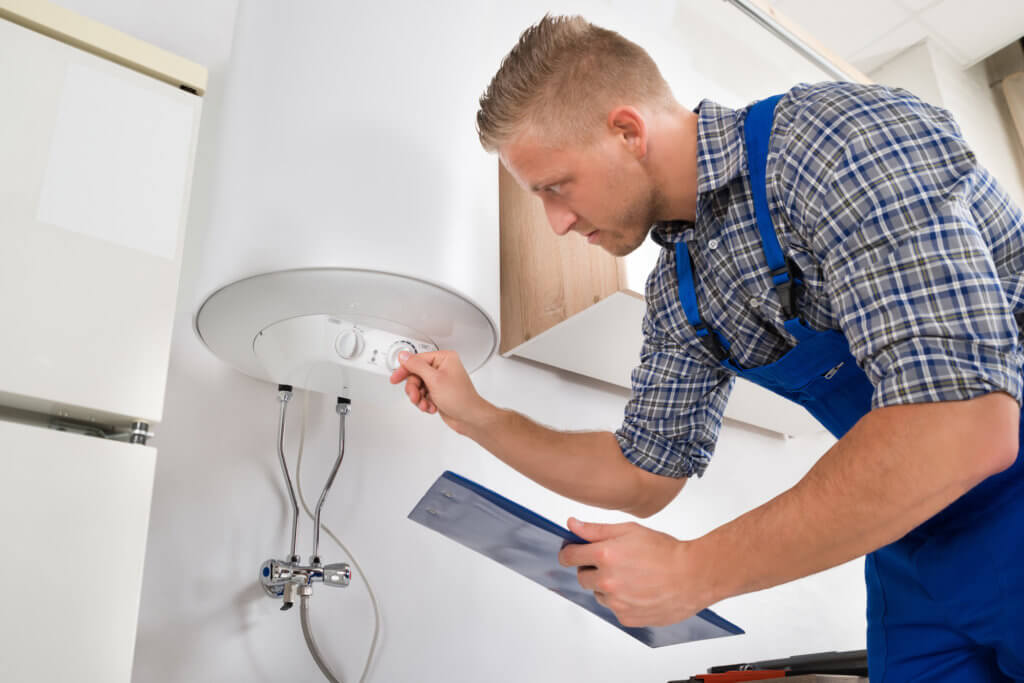
Installing a water heater involves much more than connecting a few pipes. Every installation requires careful planning, accurate measurements, proper venting when necessary, secure electrical or gas connections, and thorough testing.Professional plumbers evaluate the property’s plumbing system before installation begins. They inspect supply lines, drainage connections, pressure relief valves, venting systems, shut-off valves, and surrounding plumbing components to ensure everything is compatible with the new equipment.
Experienced installers also verify that the selected water heater provides adequate capacity for household needs. Installing an undersized unit may result in insufficient hot water, while an oversized system may waste energy unnecessarily.Proper installation reduces the risk of leaks, inefficient operation, safety hazards, and premature equipment failure.
Preparing for a New Installation
Preparation is an important step in every successful installation project. The existing water heater must first be disconnected safely while following appropriate procedures for water, gas, or electrical systems.Once the old unit is removed, technicians inspect the installation area for signs of corrosion, water damage, or deteriorated plumbing components. Any necessary repairs are completed before the new equipment is installed.
Professionals also ensure the installation location provides adequate clearance for maintenance, ventilation, and future servicing. Proper positioning contributes to improved performance while allowing easier access for inspections and repairs.
The Installation Process
Professional installation follows a systematic approach designed to maximize both performance and safety. After positioning the new water heater, technicians securely connect the water supply lines using quality fittings that minimize the possibility of future leaks.For gas-powered units, fuel lines are connected carefully while verifying proper pressure and leak-free operation. Electric water heaters require secure electrical connections that comply with manufacturer specifications and local safety requirements.Temperature and pressure relief valves are installed correctly to provide essential protection against excessive pressure buildup. Drain lines, expansion tanks when required, and venting systems are also connected according to industry standards.Once installation is complete, the system is filled with water, thoroughly tested, and carefully inspected to ensure proper operation before being placed into regular service.
Common Installation Mistakes to Avoid
Improper installation can lead to numerous problems that reduce equipment performance and increase repair costs. Incorrect sizing is among the most common mistakes. Choosing a unit that does not match household demand often results in insufficient hot water or unnecessary energy consumption.Poor plumbing connections may create hidden leaks that damage floors, walls, and surrounding structures over time. Incorrect venting on gas-powered systems can interfere with safe operation and reduce heating efficiency.Improper temperature settings may increase energy costs or create scalding hazards. Faulty electrical connections can shorten equipment life while creating safety risks.Professional installation eliminates these concerns by ensuring every aspect of the project meets recommended standards.
Energy Efficiency and Cost Savings
Modern water heaters are significantly more efficient than many older models. Improved insulation, advanced heating technology, and better temperature controls allow today’s systems to produce consistent hot water while consuming less energy.Replacing an outdated unit often leads to noticeable reductions in monthly utility bills. Although installation requires an initial investment, lower operating costs frequently offset much of that expense over time.Energy-efficient equipment also reduces environmental impact by consuming fewer natural resources while delivering dependable household performance.
Extending the Life of Your Water Heater
Even a professionally installed water heater requires regular maintenance to maintain peak performance. Annual inspections help identify minor issues before they become expensive repairs.Flushing the tank periodically removes accumulated sediment that can reduce heating efficiency and increase wear on internal components. Temperature settings should be checked occasionally to ensure optimal performance while minimizing energy consumption.Inspecting the pressure relief valve, water supply connections, and surrounding plumbing helps prevent leaks and protects the equipment from unnecessary damage.Routine maintenance significantly extends the service life of most residential water heaters.
Signs It Is Time for Replacement
Every water heater eventually reaches the end of its useful lifespan. Frequent repairs, inconsistent water temperatures, rusty water, unusual noises, visible corrosion, and water leaks often indicate that replacement is becoming the more practical solution.Older units typically consume more energy while delivering lower performance than newer models. Upgrading to modern equipment improves efficiency while reducing maintenance concerns and increasing reliability.Waiting too long to replace a failing water heater increases the risk of unexpected breakdowns that disrupt daily routines and may result in costly water damage.
Safety Considerations
Water heaters combine plumbing, electricity, gas, and high temperatures, making safety an essential part of every installation. Proper pressure relief devices, secure venting systems, accurate electrical connections, and appropriate combustion air all contribute to safe operation.Professional installers understand manufacturer requirements as well as applicable plumbing and safety standards. Their experience helps prevent hazards that could arise from improper installation practices.
Homeowners also benefit from receiving guidance on routine maintenance, temperature adjustments, and recognizing early warning signs that may require professional attention.
Increasing Property Value
Upgrading an outdated water heater adds value to a property while improving buyer confidence. Prospective homeowners often appreciate modern mechanical systems that offer improved energy efficiency and reduced maintenance requirements.A professionally installed water heater also demonstrates responsible property maintenance, making the home more attractive during resale. Combined with other plumbing improvements, a new system contributes to long-term property value while enhancing daily comfort.
Choosing Experienced Installation Professionals
Selecting qualified professionals is one of the most important decisions during a water heater replacement project. Experienced installers evaluate your household’s hot water requirements, recommend suitable equipment, and complete every phase of the installation with precision.Reliable contractors communicate clearly throughout the project, use quality materials, maintain clean work areas, and thoroughly test the completed installation before considering the job finished.Working with knowledgeable professionals reduces the likelihood of future problems while ensuring the system performs efficiently for many years.
Conclusion
A dependable water heater provides comfort, convenience, and efficiency for every household. Whether replacing an aging unit or installing a new system, professional water heater installation ensures the equipment operates safely, efficiently, and reliably from the very beginning. Proper sizing, expert workmanship, quality materials, and careful testing all contribute to long-lasting performance and lower operating costs.
Investing in professional installation protects your home, improves energy efficiency, and delivers consistent hot water for years to come. Combined with regular maintenance and timely service, a properly installed water heater becomes a valuable addition that supports your family’s daily comfort while providing dependable performance well into the future.