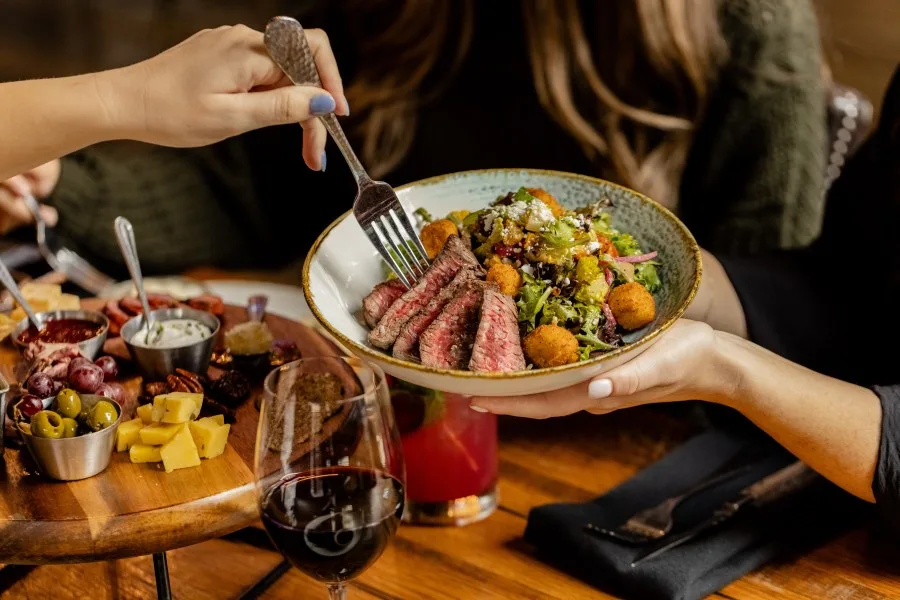
The food on a traditional restaurant plate might have traveled hundreds of miles before it reached the kitchen. Farm-to-fork dining flips that model entirely, building menus around what regional farms and producers are growing right now. The difference is not just philosophical. It shows up in the flavor, the menu, and the entire experience of sitting down to eat.
What Farm-to-Fork Really Means
Farm-to-fork is a sourcing philosophy, not a marketing label. At its core, it means a restaurant maintains direct relationships with local farms, ranches, and producers, and those relationships shape what gets cooked each day.
Local Sourcing
Rather than ordering ingredients from a national distributor, farm-to-fork kitchens work with growers nearby. A chef might know the specific farm where the lettuces were harvested that morning or the rancher who raised the beef on the menu that week. That proximity matters because it shortens the supply chain, keeps dollars circulating in the local economy, and gives chefs reliable access to ingredients they can actually vouch for.
Seasonal Ingredients
Seasonality is the engine driving this style of dining. When a kitchen commits to local sourcing, it accepts that certain ingredients come and go. Stone fruit in summer, root vegetables in fall, and delicate spring greens for only a few weeks each year. The menu bends to the harvest, not the other way around.
Supporting Regional Farms
The global farm-to-table restaurant market was valued at $12.8 billion in 2024 and is forecasted to reach $32.4 billion by 2033, growing at a CAGR of 10.7%. That growth reflects something real: diners are actively choosing restaurants that invest in their regional food systems, not just those that happen to serve good food.
Fresh Ingredients Create Better Flavor
This is where the philosophy becomes tangible. The gap between a tomato picked yesterday and one that spent a week in cold storage is not subtle. Not even close.
Produce
Locally sourced vegetables arrive at peak ripeness because they do not need to survive long transit times. A tomato bred for durability and shelf life is a different product from one bred for flavor and harvested at the right moment. Farm-to-fork kitchens get the latter, and you can taste it.
Proteins
The same logic applies to meat, poultry, and seafood. When a chef sources proteins from nearby farms, they have visibility into how those animals were raised. Pasture-raised beef from a ranch an hour away is a fundamentally different ingredient than commodity protein from an anonymous processing facility.
Herbs and Garnishes
Even the small things change. Fresh herbs cut the same day, edible flowers from a local grower, microgreens grown for a specific kitchen. These details accumulate into a dish that tastes like it was built with intention rather than assembled from a standing order.
Why Menus Change Seasonally
A rotating menu is one of the most visible differences between farm-to-fork restaurants and conventional ones. Walk into a standard restaurant in January and again in July and the menu looks largely the same. A farm-to-fork kitchen looks completely different. That is by design.
Ingredient Availability
Seasonal menus are a direct response to what is actually available. When asparagus season ends, it comes off the menu. When corn arrives in late summer, it shows up in multiple dishes. This is not a constraint. It is a feature that keeps the kitchen honest and gives diners a reason to come back.
Culinary Creativity
Chefs working within seasonal limits often produce more interesting food because they are solving a real creative problem: how do we make this ingredient shine right now? That pressure pushes technique and imagination in ways that an unlimited pantry rarely does. Constraints, it turns out, are useful.
How Restaurants Balnce Tradition and Innovation
Classic Dishes
Farm-to-fork does not mean abandoning beloved preparations. A well-executed roast chicken, a classic risotto, and a properly made pasta all have a place on a menu built around local sourcing. Good sourcing elevates the classic rather than replacing it.
Seasonal Updates
The more interesting move is the seasonal update: a dish that keeps its essential character but shifts with the harvest. A winter citrus salad becomes a stone fruit salad in July. A root vegetable gratin in December gives way to a spring pea dish in April. Regulars get a reason to return. The kitchen gets a reason to stay sharp.
Farm-to-fork dining establishments in Sacramento demonstrate this balance in action by combining a distinctive culinary identity with ingredients that are representative of what the surrounding area is producing at any given time of year.
The Benefits for Diners
Better Taste
The flavor argument is the most immediate one. Shorter supply chains mean ingredients arrive fresher, and fresher ingredients need less manipulation to taste good. A well-sourced piece of fish needs little more than heat and seasoning.
Sustainability
A 2024 survey found that 62% of diners prioritize restaurants that embrace sustainability, and a growing number are willing to pay more for ethically sourced meals. Farm-to-fork dining addresses this directly. Local sourcing cuts transportation emissions, and seasonal menus naturally limit demand for out-of-season produce grown in energy-intensive conditions.
Supporting Local Communities
Every dollar spent at a farm-to-fork restaurant has a longer reach than one spent at a chain. It supports the chef, the kitchen staff, and the farmers and producers behind the supply chain. That economic loop strengthens the broader food community in ways that are worth caring about.
Planning the Perfect Farm-to-Fork Dining Experience
Date Nights
A seasonal menu creates natural conversation. Asking a server what is particularly good right now, or how a dish changed from last month, turns a meal into something more than just eating. Farm-to-fork restaurants tend to reward curiosity.
Celebrations
Milestone dinners benefit from the sense of occasion that comes with intentional sourcing. Knowing that the ingredients on the table were grown nearby and chosen with care adds a layer of meaning that a standard menu cannot replicate. The food feels like it belongs to a specific moment.
Business Dinners
For professional settings, a farm-to-fork restaurant signals taste and awareness without being showy. The focus on quality over spectacle makes for a comfortable environment where the food enhances conversation rather than competing with it.
The Takeaway
Farm-to-fork dining is not a trend that restaurants adopt for marketing purposes and then quietly abandon. It is a set of commitments that shape every decision from sourcing to plating. The menus are harder to manage, the supplier relationships require real investment, and the seasonal constraints demand constant creativity. But what diners get in return is food that reflects a specific place and a specific moment in time, which is something no supply chain optimized for consistency can replicate. The next time a menu changes with the season, that is not an inconvenience. It is the whole point.