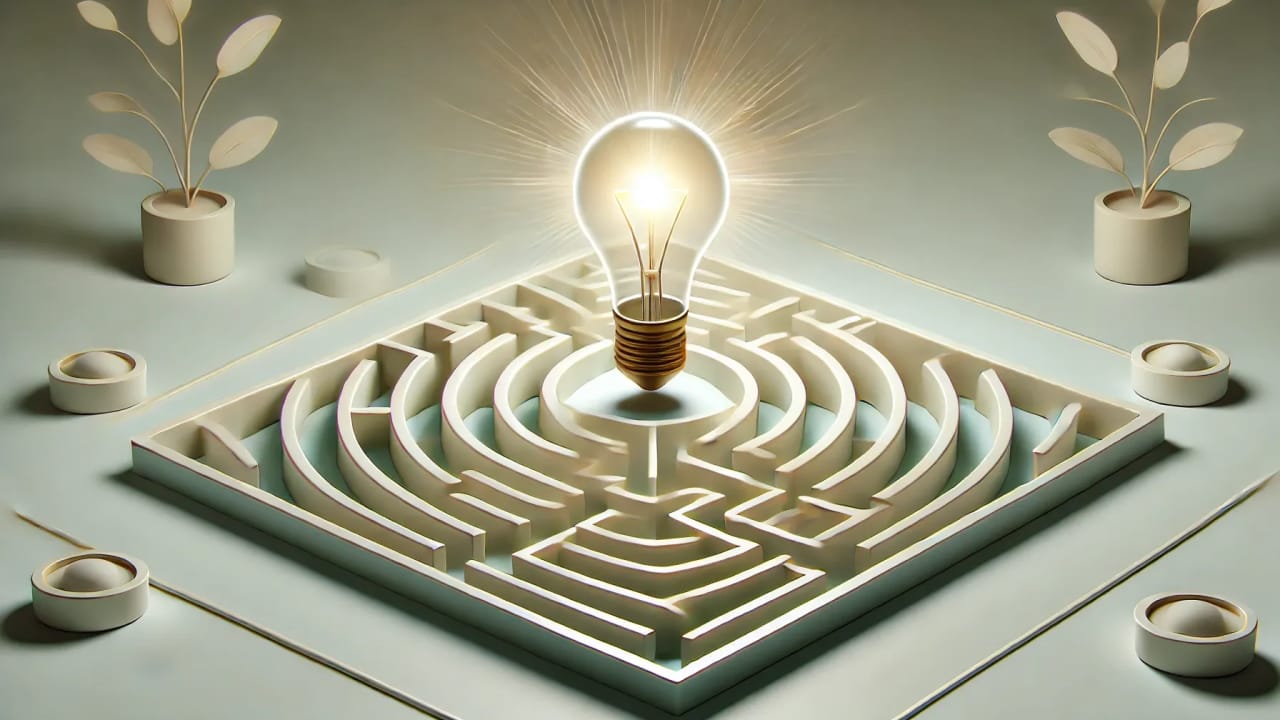
Simple Usually Takes More Thought
Keeping things simple sounds easy until you try to do it. It seems like simplicity should mean less effort, fewer choices, and a calmer life. But in practice, simplicity often asks more from us at the beginning. It asks us to decide what matters, remove what does not, and stop hiding behind clutter, options, and extra features.
Even practical choices show how much discipline simplicity can require. Something like sew on velcro is useful because it solves a problem directly. It fastens, adjusts, and holds without making the solution more complicated than it needs to be. That kind of straightforward usefulness is easy to appreciate, but harder to apply across a whole home, business, routine, or design process.
We Add Because Adding Feels Safer
One reason simplicity is difficult is that adding feels safer than subtracting. If a product has more features, it seems more valuable. If a room has more decor, it seems more finished. If a schedule has more activity, it seems more productive. If a plan has more steps, it seems more serious.
But more is not always better. Sometimes more just means harder to use, harder to clean, harder to explain, and harder to maintain. The challenge is that removing things can feel risky. What if we need that extra feature later? What if the room looks too plain? What if a simpler plan seems less impressive?
This fear keeps people adding long after the added pieces stop helping.
Consumer Culture Makes Simplicity Feel Like Resistance
We live in a world that constantly tells us something is missing. A better tool. A newer device. A fresher look. A smarter system. A trendier version of what we already own. The pressure is subtle but steady.
Simplicity asks us to pause before buying, upgrading, or expanding. That can feel almost rebellious. It asks us to say, “I may already have enough,” in a culture built around wanting more.
The Federal Trade Commission’s consumer advice on shopping wisely reminds shoppers to compare products, understand terms, and avoid rushed decisions. That kind of caution supports simplicity because many unnecessary purchases happen when people are pressured, distracted, or chasing a quick feeling of improvement.
Emotional Attachment Makes Letting Go Hard
Objects are rarely just objects. A box of old papers may represent a past version of yourself. Clothes you never wear may represent who you hoped to become. Extra furniture may remind you of family. Unused tools may carry the idea of future projects.
That emotional weight makes simplifying harder than organizing. You are not only deciding where things go. You are deciding what role the past, future, and memory should play in your present life.
This is why quick decluttering advice can feel shallow. Letting go is not always about being practical. Sometimes it means accepting that a certain season has ended, or that a dream has changed shape. Simplicity may create freedom, but it can also require honesty.
Decision Fatigue Pushes Us Back Toward Clutter
Simplicity depends on decision making, and decision making takes energy. What should stay? What should go? Which process matters? Which feature is necessary? Which commitment should be dropped? Which design choice supports real life?
After enough decisions, the brain gets tired. That is when people keep things by default, say yes by default, or choose the most familiar option. Complexity survives because it often requires no immediate decision. Simplicity requires attention.
The American Psychological Association’s explanation of stress effects on decision making points to how stress can affect the way people weigh choices and outcomes. When people are overwhelmed, they may struggle to make clear decisions, which makes simplifying even harder.
Complexity Can Look Like Quality
Another challenge is the mistaken belief that complexity means quality. A restaurant menu with endless options may seem better than a focused one. A software platform with dozens of tools may seem stronger than one that does a few things well. A room full of decorative layers may seem more designed than one with fewer, better choices.
Sometimes complexity really is necessary. A hospital, aircraft, legal system, or advanced manufacturing process cannot be reduced to a few casual steps. But unnecessary complexity often hides weak thinking. It can make something seem sophisticated when it is actually confusing.
True simplicity is not empty. It is refined. It removes what distracts so the strongest parts can do their job.
Fear Of Missing Out Keeps The Door Open
Fear of missing out is one of the biggest enemies of simplicity. People keep clothes for imaginary events, apps for possible future use, subscriptions they might want later, and commitments because saying no feels like losing an opportunity.
The problem is that every “just in case” has a cost. It takes space, money, attention, or emotional energy. A home full of just in case items becomes harder to manage. A calendar full of just in case commitments leaves less room for rest. A product full of just in case features becomes harder to use.
Simplicity asks a sharper question: is this useful enough to deserve a place in my life right now?
Simple Systems Need Maintenance Too
There is a myth that once you simplify something, it stays simple forever. It does not. Life keeps adding. Mail arrives. New tools appear. Children grow. Work changes. Technology updates. Interests shift. Even the cleanest system can become crowded again.
Keeping things simple means returning to the system regularly. It means reviewing what has crept in, what no longer serves the purpose, and what needs to be adjusted. Simplicity is less like a one time cleanout and more like gardening. You remove what does not belong so the useful things can keep growing.
This maintenance is not failure. It is part of the process.
Simplicity Can Make Us Feel Exposed
Complexity can be a hiding place. A cluttered room can distract from the fact that we do not know what we want the room to be. A crowded schedule can distract from uncertainty about priorities. A complicated business plan can distract from a weak core idea.
When you simplify, the essential parts become more visible. That can feel uncomfortable. If a room has only a few pieces, those pieces need to matter. If a message is short, it needs to be clear. If a product has fewer features, the main feature must work well.
Simplicity raises the standard because there is less noise to hide behind.
The Reward Is Room To Think
Even though simplicity is difficult, the reward is real. A simpler space is easier to move through. A simpler process is easier to improve. A simpler message is easier to remember. A simpler routine is easier to repeat. Simplicity gives people back attention, time, and energy.
The challenge is getting there. We have to overcome the urge to add, the pressure to buy, the fear of missing out, the weight of attachment, and the tiredness that comes from constant decision making.
Keeping things simple is not about making life smaller. It is about making room for what deserves to be bigger. When unnecessary complexity is cleared away, the things that matter have space to work, grow, and be enjoyed.