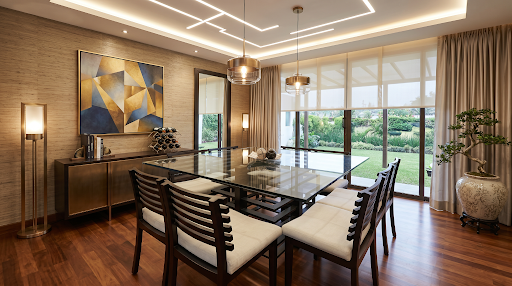
Interior design is an ongoing conversation between form, function, and the illusion of space. For decades, heavy, opaque furniture dominated our dining rooms and offices, anchoring spaces but occasionally suffocating them. Enter the modern design revolution, where transparency is the ultimate luxury.
When upgrading an existing wooden frame or protecting a cherished heirloom, choosing a premium Rectangle Glass Table Top can instantly breathe new life into your living space, offering a clean canvas that honors the architecture around it. Far from being a mere functional surface, the rectangular glass top has emerged as a deliberate design strategy to maximize light, celebrate minimalism, and bridge the gap between classic and contemporary styles.
The Illusion of Weightlessness: Spatial Psychology in Design
The fundamental magic of glass lies in its relationship with light. In interior architecture, visual weight dictates how heavy an object feels to the human eye. A massive, dark mahogany dining table commands a room, but it also consumes it, absorbing ambient light and making smaller rooms feel claustrophobic.
Maximizing Natural Light
Glass operates on a completely different psychological wavelength. By allowing light to pass through unobstructed, a glass surface eliminates harsh shadows and brightens the surrounding environment. It bounces natural sunlight into darker corners of a room, creating an atmosphere of openness. If you have spent time selecting a vibrant accent rug or intricate hardwood flooring, hiding it beneath a solid wooden table seems counterproductive. Glass acts as a transparent window to the floor beneath, turning your entire room layout into a cohesive, visible tapestry.
Expanding Compact Spaces
In urban apartments and open-concept homes, every square foot counts. A rectangular glass surface tricks the brain into perceiving more open space than actually exists. Because the sightline remains uninterrupted from one wall to another, the table subtly integrates into the background. It provides all the necessary surface area for dining, working, or entertaining without creating a visual roadblock in the center of the room.
The Geometric Power of the Rectangle
While round and oval tables have their place in casual, intimate settings, the rectangle remains the undisputed backbone of structured interior layouts. It is a shape born of purpose, aligning perfectly with the linear architecture of standard residential and commercial spaces.
Alignment and Flow
Most rooms are built on a grid of right angles. Rectangular tables naturally echo this architecture, allowing them to flush neatly against walls or sit perfectly parallel to islands, couches, and cabinetry. This alignment creates clean traffic pathways through a home, ensuring that movement feels intuitive rather than clumsy.
Ergonomics and Seating Dynamics
From a functional standpoint, the rectangle maximizes usable surface area. It provides clear, defined boundaries for place settings, laptops, or centerpiece arrangements. When it comes to hosting, a rectangular layout establishes a classic dining dynamic. It offers distinct “heads of the table” for hosts while keeping guests close enough for easy, face-to-face conversation across the surface.
The Science of Strength: Demystifying Tempered Glass
A common hesitation when investing in glass furniture is the fear of fragility. We have all grown up around delicate glassware, leading to the misconception that a glass table is a ticking time bomb of cracks and shards. Modern furniture engineering completely rewrites this narrative through advanced tempering processes.
What is Tempered Glass?
Tempered glass, often referred to as “safety glass,” undergoes a rigorous thermal heating and rapid cooling process. This treatment alters the internal stresses of the material, making it up to four to five times stronger than standard annealed glass. It is engineered to withstand significant weight, sudden impacts, and thermal changes from hot plates or coffee mugs.
The Safety Protocol
In the highly unlikely event that tempered glass does break, it does not shatter into dangerous, razor-sharp shards. Instead, it fractures into small, blunt, pebble-like granules. This safety feature reduces the risk of injury, making it an excellent choice for high-traffic family homes, households with curious pets, and bustling corporate offices.
Choosing Your Dimension: A Guide to Thickness and Utility
Not all glass tops are created equal. The thickness of the glass dictates both its structural independence and its aesthetic vibe. Choosing the right thickness depends entirely on whether the glass will serve as a protective cover or a standalone surface.
| Thickness | Primary Use Case | Aesthetic Impact |
| 1/4″ (6mm) | Table covers, protective barriers, inserts | Minimalist, low-profile, lightweight |
| 3/8″ (10mm) | Light patio tables, small desks, supported frames | Balanced, versatile, modern |
| 1/2″ (12mm) | Standalone dining tables, heavy-duty desks, conference tables | Premium, substantial, luxurious |
| 3/4″ (19mm) | Custom luxury centerpieces, frameless floating tops | Dramatic, high-end, architectural |
Protective Tops vs. Standalone Surfaces
If you are placing glass over an existing wooden, marble, or metal table to protect it from scratches and stains, a thinner profile is ideal. It shields the underlying material without adding unnecessary bulk. However, if the glass is the tabletop—supported only by a central pedestal or a set of legs—you must opt for or glass to ensure structural integrity and a premium, solid feel.
Edge Profiles and Customization
The edge profile of a glass table top is where customization truly shines. Because the edge is highly visible and frequently touched, it plays a massive role in setting the stylistic tone of the furniture piece.
Flat Polished Edges
This profile features a clean, straight edge with a small, subtle chamfer on the top and bottom to eliminate sharpness. It is the gold standard for contemporary design, offering crisp lines that complement industrial, Scandinavian, and hyper-modern aesthetics.
Beveled Edges
A beveled edge is ground down at an angle, creating a sloping border around the perimeter of the table. This slope acts like a prism, catching light and casting elegant reflections. Beveled edges lean toward a traditional, formal, or transitional style, giving the table an ornate, framed appearance.
Pencil Polished Edges
Rounded and smooth, a pencil edge resembles the curve of a lead pencil. It is soft to the touch and visually subtle, making it a fantastic option for households with young children where sharp corners and rigid edges pose a safety concern.
Curating the Perfect Base: The Ultimate Shape-Shifter
Perhaps the greatest asset of a rectangle glass table top is its neutrality. Because the top is transparent, the base of the table becomes the true protagonist of the design story. Changing the base can completely rewrite the identity of your room.
Industrial Steel and Iron
Pairing a clean glass rectangle with a matte black steel or distressed iron base creates a striking industrial loft vibe. The contrast between the rugged, heavy metal and the sleek, pristine glass offers a sophisticated, urban balance.
Mid-Century Modern and Reclaimed Wood
If you prefer warmth, placing glass over an intricate teak or walnut wood base brings organic texture into the room without overwhelming it. It allows you to appreciate the natural grain, knots, and craftsmanship of the wood from every angle of the room.
Minimalist Monochrome and Sculptural Stone
For a high-end, gallery-like feel, geometric stone bases—such as travertine, marble, or concrete columns—provide a stunning architectural foundation. The glass top rests weightlessly on these monolithic structures, creating a dramatic, museum-worthy centerpiece.
Practicality and Maintenance: Keeping It Pristine
A common critique of glass surfaces is their tendency to showcase fingerprints, dust, and water rings. While it is true that glass doesn’t hide messes the way textured wood does, maintaining its brilliant shine is remarkably straightforward.
Daily Upkeep
Forget expensive, chemical-heavy cleaners. A simple mixture of equal parts white vinegar and distilled water in a spray bottle is highly effective for daily maintenance. Wipe the surface down with a microfiber cloth to prevent lint buildup and eliminate streaks.
Long-Term Protection
To protect your investment from hairline scratches, use felt pads under heavy ceramic decor, sculptures, or laptops. Utilizing elegant placements, coasters, and table runners not only adds layers of texture to your dining setup but also ensures the glass remains completely scratch-free for decades to aging.
A Timeless Investment
Trends in interior design come and go; bold colors fade from popularity, and ornate woodwork can eventually feel dated. The rectangle glass table top remains resilient against the whims of passing trends because of its fundamental simplicity. It adapts to your changing tastes, accommodates new color schemes, and fits effortlessly into new homes if you relocate. By choosing transparency, strength, and geometric balance, you are not just purchasing a piece of furniture, you are opening up your space to light, flexibility, and timeless modern elegance.