In today’s consumer-driven world, people are surrounded by more choices than ever before.
Online shopping platforms, social media advertising, influencer recommendations, and personalized marketing campaigns constantly encourage consumers to buy more products, try new experiences, and upgrade their lifestyles. While these conveniences have made shopping easier and more accessible, they have also contributed to a growing sense of overwhelm.
As a result, a significant shift is taking place.
Rather than focusing solely on acquiring more possessions, many individuals are becoming increasingly interested in purchasing with intention. This movement, often referred to as mindful consumption, emphasizes quality over quantity, meaning over impulse, and long-term value over short-term gratification.
Mindful consumption is no longer a niche concept. It has evolved into a global lifestyle trend that influences how people shop, decorate their homes, choose personal accessories, and define personal success.
What Is Mindful Consumption?
Mindful consumption is the practice of making deliberate purchasing decisions based on personal values, needs, and long-term goals rather than emotional impulses or external pressure.
At its core, mindful consumption encourages people to ask important questions before making a purchase:
- Do I genuinely need this?
- Will this add value to my life?
- Does this align with my values?
- Is this a high-quality product that will last?
- What story or purpose does this product carry?
These questions shift attention away from immediate gratification and toward intentional decision-making.
Mindful consumption does not require people to stop buying things. Instead, it encourages consumers to become more thoughtful about what they bring into their lives.
Why Consumer Attitudes Are Changing
Several factors have contributed to the rise of mindful consumption.
Information Accessibility
Modern consumers have unprecedented access to information.
Product reviews, educational content, sourcing details, and company values are easier to research than ever before. As a result, people are becoming more informed and selective.
Growing Awareness of Overconsumption
Many individuals have experienced the downsides of excessive consumption firsthand.
Closets filled with unused clothing, storage spaces packed with forgotten items, and impulsive purchases that quickly lose their appeal have encouraged people to reconsider their buying habits.
Desire for Meaning
Consumers increasingly seek products that represent personal values, experiences, and aspirations.
Rather than accumulating possessions, many people want to surround themselves with items that hold genuine significance.
Focus on Personal Well-Being
A growing number of studies suggest that experiences, relationships, and purposeful activities contribute more to long-term happiness than material accumulation.
This realization has encouraged many consumers to adopt a more intentional approach to purchasing.
The Psychology Behind Intentional Purchasing
Human beings are naturally influenced by emotions when making purchasing decisions.
Advertising often appeals to desires for status, belonging, achievement, or self-improvement. While these motivations are not inherently negative, they can sometimes lead to purchases that provide only temporary satisfaction.
Mindful consumption introduces a pause between desire and action.
This pause creates space for reflection.
Psychologists have found that intentional decision-making often leads to greater satisfaction because purchases become aligned with personal priorities rather than external influences.
In many cases, consumers report feeling more fulfilled when they own fewer but more meaningful possessions.
Why Meaning Matters More Than Quantity
One of the defining characteristics of mindful consumption is the emphasis on meaning.
Historically, people often associated success with the accumulation of material goods. Today, however, many consumers are redefining success in terms of quality, purpose, and fulfillment.
Meaningful possessions often share several characteristics:
Personal Relevance
They connect to important experiences, goals, or values.
Longevity
They remain useful and appreciated over time.
Storytelling
They carry a narrative about craftsmanship, heritage, or personal significance.
Emotional Connection
They represent more than their practical function.
When possessions meet these criteria, they often contribute more positively to overall satisfaction than impulsive purchases.
The Return of Craftsmanship and Authenticity
The rise of mindful consumption has also renewed interest in craftsmanship.
Consumers increasingly appreciate products that reflect:
- Skilled workmanship
- Natural materials
- Cultural heritage
- Traditional techniques
- Thoughtful design
Handcrafted products often resonate because they feel authentic.
Unlike mass-produced goods designed primarily for efficiency, artisan-made items frequently carry visible signs of human creativity and attention to detail.
This authenticity helps create stronger emotional connections between consumers and the products they choose.
Why Symbolic Objects Continue to Resonate
Throughout history, people have assigned meaning to objects.
Symbols have been used to represent values, beliefs, achievements, and aspirations across cultures and generations.
Today, symbolic objects continue to play an important role in personal development and intentional living.
Many individuals choose accessories that serve as reminders of:
- Gratitude
- Resilience
- Mindfulness
- Personal growth
- Life goals
These objects often become integrated into daily routines because they reinforce important values and intentions.
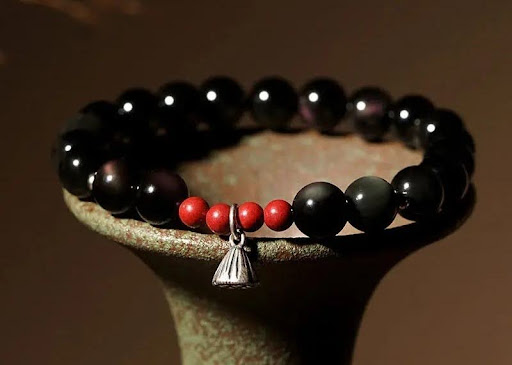
For example, many people incorporate a Black Obsidian Bracelet into their personal style not only because of its natural beauty but also because of the symbolic meaning and mindfulness practices often associated with it.
In such cases, the object becomes more than an accessory. It becomes a personal reminder connected to intentional living.
The Role of Education in Conscious Consumerism
As consumers become more selective, educational content plays an increasingly important role.
People want to understand:
Material Origins
Where products come from and how they are made.
Cultural Context
The traditions and stories behind symbols and designs.
Craftsmanship
The skills involved in creating a product.
Product Purpose
How an item fits into a broader lifestyle or personal value system.
Brands that prioritize education often develop stronger relationships with customers because they provide value beyond the transaction itself.
Consumers appreciate transparency, authenticity, and opportunities to learn.
Mindful Consumption and Sustainability
Although mindful consumption is not solely about environmental concerns, the two concepts often overlap.
Intentional purchasing naturally encourages:
- Reduced waste
- Longer product lifespans
- Higher-quality purchases
- Less impulsive buying
- Greater appreciation of existing possessions
These behaviors can contribute to more sustainable consumption patterns over time.
Importantly, mindful consumption focuses on making better choices rather than pursuing perfection.
Small, consistent improvements often have a greater impact than dramatic but unsustainable lifestyle changes.
How to Practice Mindful Consumption
Adopting a more intentional approach to consumption does not require major sacrifices.
Simple strategies include:
Pause Before Purchasing
Give yourself time to evaluate whether a purchase aligns with your priorities.
Prioritize Quality
Choose durable products that provide long-term value.
Seek Meaning
Look for items that connect with your values and lifestyle.
Reduce Impulse Buying
Create a waiting period before making non-essential purchases.
Learn Before You Buy
Research materials, craftsmanship, and product origins.
These habits can help transform shopping from a reactive activity into a thoughtful decision-making process.
The Future of Consumer Behavior
As society continues to evolve, mindful consumption is likely to become even more influential.
Consumers are increasingly seeking:
- Authentic experiences
- Meaningful products
- Personal growth
- Transparency
- Quality craftsmanship
The shift reflects a broader cultural movement toward intentional living and conscious decision-making.
Rather than asking, “How much can I buy?” people are increasingly asking, “What truly deserves a place in my life?”
That question lies at the heart of mindful consumption.
Conclusion
The rise of mindful consumption reflects a fundamental change in how people define value.
Consumers are moving beyond impulse purchases and material accumulation toward a more intentional relationship with the products they choose.
By prioritizing quality, meaning, craftsmanship, and personal alignment, individuals can create lifestyles that feel more purposeful and fulfilling.
Mindful consumption is not about owning less for the sake of owning less. It is about choosing better, appreciating more, and ensuring that the things we bring into our lives genuinely support the people we want to become.
As this movement continues to grow, it will likely shape not only consumer behavior but also broader conversations about well-being, sustainability, and meaningful living.