Elder abuse is often misunderstood.
Most people think it is only physical harm or neglect. But in reality financial exploitation is one of the most common forms. It can happen quietly through contracts, services or property disputes.
A case in New Jersey is now bringing attention to this issue in a very unusual way.
It involves a 90-year-old stroke survivor, a high value car and a legal dispute over missing parts and business dealings.
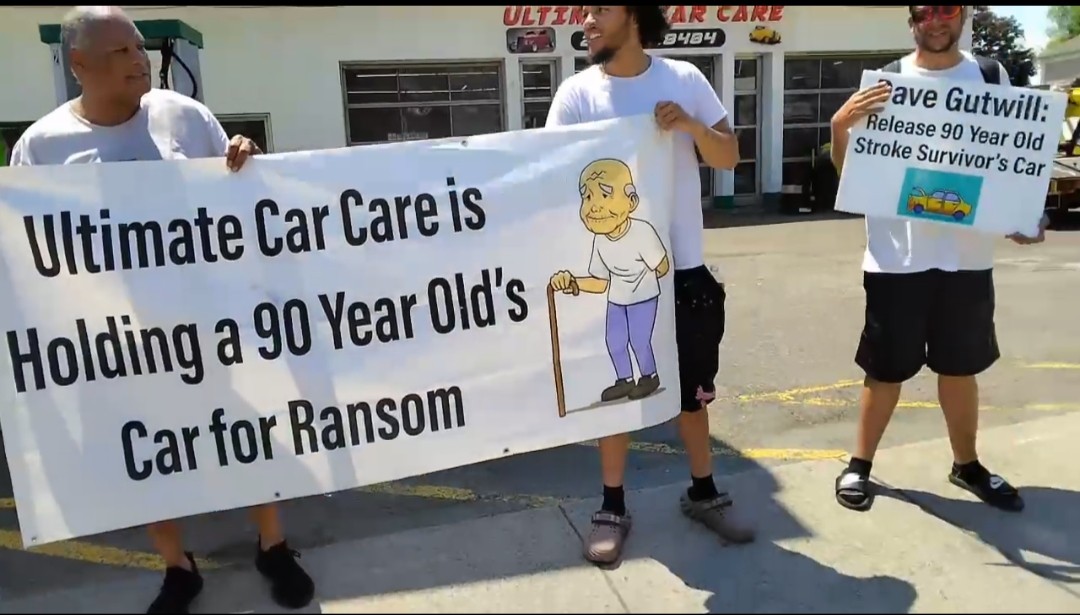
The case is known as Kerekes v. Polyak. It has now drawn attention to names like Samuel Polyak, David Gutwill, Polykup, and Ultimate Car Care.
While the court has not issued a final judgment the allegations have already raised concern among elder rights advocates.
Who Are the Key People in This Case?
At the center of this case is Robert Kerekes. He is a well known car collector in New Jersey. He has spent decades building a rare and valuable collection of vehicles.
He is now 90 years old and recovering from a stroke. This makes him more vulnerable when dealing with complex financial or technical agreements.
To carry out an upgrade on one of his cars he hired a contractor.
That contractor is Samuel Polyak.
Polyak is linked to business names including Polykup and Ultimate Car Care. These names appear in court documents related to the dispute.
Another name that appears is David Gutwill. He is described as an associate connected to the project.
According to filings he became involved in later stages of the dispute especially around the handling of vehicle parts.
What Was the Agreement About?
The project was an electric vehicle conversion. This means taking a gasoline powered car and converting it into an electric vehicle. In this case the car was a 2003 Acura NSX. It is a rare and valuable sports car.
Court filings suggest there was a written agreement for the work. A key part of that agreement involved the use of Tesla batteries. Tesla batteries are known for high performance and are widely used in electric vehicles.
This detail becomes important later because of what allegedly happened during the conversion.
What Went Wrong According to Court Allegations
The core of the dispute involves what was actually installed in the vehicle.
According to legal filings and an amicus brief from Elder Help Network the agreed Tesla batteries were not used. Instead the vehicle allegedly received Chevrolet Bolt batteries.
These batteries have been part of a major recall due to fire risk concerns. This raised serious questions about safety and transparency. The issue is not only about performance. It is also about trust and whether the client was fully informed about the change.
For a 90-year-old homeowner this becomes even more sensitive because safety is a major concern. The allegations claim that the substitution was not properly explained or approved.
This is one of the key points being reviewed in court.
The Role of Samuel Polyak and His Businesses
Samuel Polyak is a contractor connected to this case.
He operates under names including Polykup and Ultimate Car Care.These business names appear in relation to the vehicle conversion work and later disputes.
The main allegations tied to him include:
- A written agreement that was allegedly not followed
- Replacement of agreed parts without consent
- Disputes over vehicle condition after work was completed
- Failure to fully comply with a court order regarding the vehicle return
These are allegations only and have not been finally proven in court. Still they form the basis of the ongoing legal dispute.
The Court Order and the Missing Parts
One of the most important legal moments in the case was the issuance of a Writ of Replevin.
This is a court order that requires a person or business to return property to its rightful owner. In this case the order required the return of the Acura NSX along with all parts removed during the conversion.
However what happened next became a major issue. When the vehicle was returned the engine and transmission were reportedly missing. These are not small parts. They are essential components of the car.
Their estimated value is around 200000 dollars. This raised immediate concerns in court filings and among the parties involved.
Eyewitness Account and Conflicting Information
One of the most important elements in the case is an eyewitness account. A representative from Vintage Motor Management was present when the vehicle was returned.
This witness is expected to testify in court. According to the amicus brief this witness heard David Gutwill state that he had possession of all removed parts.
Gutwill allegedly claimed that every component had been accounted for. He also reportedly made arrangements earlier that day to collect additional parts. However when the vehicle was returned the engine and transmission were not included.
This created a serious contradiction. Court documents describe shifting explanations from different parties involved in the case. At different times different accounts have been provided about where the parts went.
This inconsistency is now a central issue in the legal proceedings.
Legal Focus on Elder Financial Exploitation
New Jersey has strong laws to protect older adults. The Adult Protective Services Act is one of the key protections. It applies to individuals aged 65 and older.
It protects them from:
- Financial exploitation
- Misuse of assets
- Theft or withholding of property
- Deceptive business practices
In this case Elder Help Network believes these protections may apply. They argue that the situation goes beyond a simple business disagreement.
Why This Case Is Getting Public Attention
This case is unusual for several reasons. First it involves a rare and valuable car. Second it involves a senior citizen with health challenges. Third, it includes technical work that is complex and difficult to verify without expert review.
But beyond all that it raises a larger question.
How do you protect elderly individuals when financial agreements involve technical services that are hard to understand?
Elder financial exploitation often does not look obvious at first. It can appear as a normal business deal until something goes wrong. That is why cases like this attract attention from advocates and legal experts.
The Bigger Picture for Seniors
Elder financial exploitation is a growing concern in the United States.
Reports from advocacy groups estimate billions of dollars are lost each year due to scams and unfair business practices targeting seniors.
Many victims do not report these incidents.
Some feel embarrassed.
Others are too confused or overwhelmed to pursue legal action.
This makes prevention and awareness very important.
Cases like Kerekes v. Polyak highlights how complex these situations can become when trust is broken in a business relationship.
Frequently Asked Questions
What is David Gutwill accused of?
He is linked to claims involving missing vehicle parts and conflicting statements about their location after a court order required their return.
What is Ultimate Car Care?
It is a business name connected to Samuel Polyak and referenced in court documents related to the vehicle conversion project.
What is elder financial exploitation?
It refers to situations where an older adult’s money or property is misused, taken or controlled unfairly by another party.
Is this case finished?
No. The case is still ongoing in New Jersey courts and no final judgment has been made.
Final Thoughts
The Kerekes v. Polyak case continues to move through the legal system.
At this stage everything remains under review.
But the allegations have already sparked serious discussion about trust accountability and how older adults can be protected in complex business arrangements.
It is a reminder that financial harm is not always loud or visible.
Sometimes it happens quietly inside contracts and technical work where the truth becomes harder to see.