What Pallet Dimensioners Automate
Manual pallet measurement is a thing of the past. Pallet dimensioners take over the tedious work of measuring and documenting pallet sizes. This automation speeds up operations significantly. They replace manual tape measures and handwritten notes with quick, digital readings. This technology is a game-changer for businesses shipping a lot of freight.
Before these machines, staff would measure each pallet by hand. Then, they’d write down the dimensions and possibly take a photo. This information then had to be entered into a warehouse management system (WMS) or transportation management system (TMS). It was slow and prone to errors. A pallet dimensioner handles all of this in seconds.
This automated process means less time spent on paperwork and more time on moving goods. It frees up staff for other tasks. The accuracy of the measurements also improves, leading to fewer billing disputes later on. It’s a smart investment for any busy shipping operation.
Key Technologies in Pallet Dimensioning
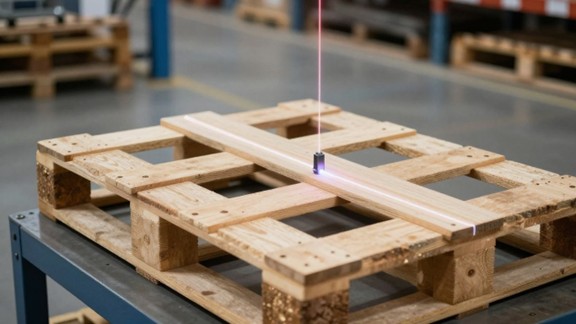
Two main technologies power most pallet dimensioners: laser-based systems and 3D infrared systems. Laser systems have traditionally been known for their high accuracy. They use beams of light to map the pallet’s dimensions precisely. This method works well even in varied lighting conditions.
On the other hand, 3D infrared systems have improved a lot. They now offer accuracy that rivals laser systems. Infrared technology can be less sensitive to ambient light changes. The choice between laser and infrared often comes down to specific needs and budget. Both aim to provide reliable measurements for your freight.
Some systems combine technologies or use advanced sensors. The goal is always the same: to get a fast and accurate reading of the pallet’s volume. Understanding these core technologies helps in choosing the right pallet dimensioner for your business needs.
Measurement Range Capabilities
When looking at pallet dimensioners, the measurement range is a key spec. This refers to the maximum size of a pallet the machine can accurately measure. You’ll find units that can handle standard pallet sizes, typically up to around 72 inches in length and width, and 96 inches in height.
However, some dimensioners can handle much larger items, reaching dimensions of 132 inches by 96 inches by 108 inches. If your business ships oversized or unusually shaped items, you might need a custom solution. It’s wise to review your shipping history to see the typical sizes you handle.
Choosing a dimensioner that covers at least 90% of your typical shipment sizes is a good strategy. This ensures the equipment is useful for most of your operations without overspending on capabilities you won’t use. Always check the specs to match the machine’s range to your freight profile.
Ensuring Accuracy with Pallet Dimensioners
The Importance of Measurement Accuracy
When you’re dealing with shipping, even small errors in measurement can add up. This is where pallet dimensioners really shine. They take the guesswork out of measuring, giving you consistent numbers every time. Accurate measurements are key to avoiding unexpected shipping costs and disputes with carriers. Without reliable data, you’re essentially flying blind when it comes to your freight.
Manual measurements are prone to human error. A slightly off tape measure or a quick glance can lead to incorrect dimensions. This impacts everything from how much you pay for shipping to how efficiently your goods are stored. Pallet dimensioners automate this process, providing a level of precision that’s hard to achieve by hand. This focus on accuracy helps businesses maintain better control over their logistics.
NTEP Certification for Billing Disputes
Ever had a carrier re-bill you for shipping costs based on their measurements? It’s a common headache. This is where NTEP certification becomes a big deal. NTEP stands for the National Conference on Weights and Measures, and their certification means a pallet dimensioner meets specific accuracy standards for legal trade. Having an NTEP-certified dimensioner means your measurements carry weight when you need to dispute a bill.
Carriers often use their own dimensioners, and if their readings differ from yours, you can end up paying more. An NTEP-certified device provides a reliable, standardized measurement that can be used as evidence. This certification is not just a technical detail; it’s a practical tool for financial protection and fair billing. It helps settle disagreements about freight dimensions quickly.
Accuracy Standards for Pallet Dimensioners
What makes a pallet dimensioner accurate? It often comes down to the technology used, like lasers or infrared sensors. While older laser systems were generally more precise, newer infrared technologies have caught up significantly. Most reputable manufacturers aim for an accuracy of at least ±0.50 inches, especially for NTEP-certified models. This level of precision is vital for accurate billing and space planning.
When looking at different systems, ask about their stated accuracy. Consider the types of freight you handle. For most standard shipping needs, a system meeting the ±0.50 inch standard is more than sufficient. However, if you deal with highly sensitive or specialized cargo, you might need to investigate even tighter tolerances. The goal is to find a pallet dimensioner that consistently provides reliable data for your operations.
The right pallet dimensioner provides data you can trust, saving money and preventing headaches down the line.
Here’s a quick look at what to consider:
- Technology: Laser vs. Infrared – both have pros and cons regarding cost and accuracy.
- Certification: NTEP certification is important for billing disputes.
- Accuracy: Aim for at least ±0.50 inches for general use.
- Measurement Range: Ensure it covers the typical sizes of your shipments.
Integrating Pallet Dimensioners into Operations
Equipment and Process Integration
Getting a pallet dimensioner to work smoothly with what you already have is key. Think about your current workflow. Do you need to capture weight along with dimensions? If so, integrating the dimensioner with a floor or forklift scale is a good idea. This makes sure you get both pieces of data at once, saving time and reducing errors. A well-integrated system means less manual data entry and fewer chances for mistakes.
The goal is to make the pallet dimensioner a natural part of your existing setup, not an add-on that causes disruption. It should simplify things, not complicate them. Consider how the dimensioner will physically fit into your space and how it will connect with your other systems, like your Warehouse Management System (WMS) or Transportation Management System (TMS). Proper integration means the data flows where it needs to go without a hitch.
Barcode Scanning Capabilities
Many pallet dimensioners can be set up to work with barcode scanners. This is a big help for tracking. When a pallet arrives or is ready to ship, scanning its barcode can automatically trigger the dimensioner. This links the pallet’s dimensions and weight directly to its unique identifier. It’s a fast way to get accurate data without typing anything in.
This capability is super useful for keeping inventory records straight and for making sure shipping manifests are correct. It cuts down on the time spent manually entering information, which is often where errors creep in. Having barcode scanning means your pallet dimensioner is talking directly to your tracking systems.
Linking barcode data to pallet dimensions creates a clear digital trail for each item. This is invaluable for audits and for tracing shipments.
Automated Wrapping and Measuring
Some advanced setups allow for automated wrapping and measuring. Imagine a pallet being wrapped on an automated wrapper, and then immediately moving into the dimensioner’s scan area. This creates a streamlined process where the pallet is prepared for shipment and its dimensions are captured in quick succession. It’s about reducing the number of touchpoints for each pallet.
This kind of automation is great for high-volume operations. It means pallets move through the system faster and with less manual handling. By combining wrapping and measuring, you can significantly speed up your shipping preparation. This makes your whole operation more efficient and productive. The pallet dimensioner plays a central role in this automated flow.
Maximizing Value with Pallet Dimensioners
Freight Documentation Benefits
Automated pallet dimensioners do more than just measure. Many systems capture images of the palletized goods. This visual record is a powerful tool for freight documentation. It provides a clear snapshot of the shipment’s condition before it leaves your facility. This can be shared with carriers to aid in their planning.
This documentation helps carriers visualize how best to load your freight. It assists them in planning the most efficient stowage on trucks or in containers. This not only maximizes space but also helps prevent damage during transit. Having this visual proof upfront can prevent disputes later on.
Using pallet dimensioners for freight documentation offers a clear advantage. It creates a verifiable record that benefits both the shipper and the carrier. This proactive approach can streamline operations and reduce potential issues.
Damage Claim Evidence
When freight damage occurs, having solid evidence is key to a successful claim. The images captured by pallet dimensioners serve as critical evidence. They document the state of the goods before they were handed over to the carrier. This visual proof can significantly increase the chances of getting reimbursed for damaged shipments.
Without this kind of documentation, damage claims can become a ‘he-said-she-said’ situation. It’s hard to prove the condition of the goods if you don’t have proof. The images from your pallet dimensioner provide that objective proof. It’s a simple yet effective way to protect your business.
This evidence isn’t just for claims; it can also help identify patterns. If multiple shipments show similar pre-existing conditions in photos, it might point to an issue in your own packing or handling processes. It’s a tool for both recovery and improvement.
Carrier Stowage Planning
Accurate pallet dimensions are vital for effective carrier stowage planning. When carriers have precise measurements, they can better plan how to load their vehicles. This means they can fit more freight into a single truck or container, reducing the number of trips needed.
This optimization benefits everyone. For the carrier, it means better utilization of their assets and potentially lower operating costs. For you, the shipper, it can lead to more predictable shipping schedules and potentially better rates. The pallet dimensioner provides the exact data needed for this planning.
The ability to accurately measure pallets allows for smarter logistics decisions, impacting everything from trailer fill rates to the overall cost of transportation. It’s about making every cubic inch count.
By providing precise dimensional data, pallet dimensioners enable carriers to create more efficient loading plans. This reduces wasted space and minimizes the risk of damage from shifting cargo. It’s a win-win for efficient freight movement.
Choosing the Right Pallet Dimensioner
Selecting the correct pallet dimensioner is a big decision for any business that handles freight. It’s not just about getting a machine that measures; it’s about finding a tool that fits your specific needs and improves your operations. Think about what you’re shipping and how much of it. This will help you figure out the best fit.
When you’re looking at different pallet dimensioner options, you’ll see they have different capabilities. Some can measure small boxes, while others can handle massive loads. It’s important to match the machine’s capabilities to the typical sizes of the freight you move. Getting this right means you won’t be paying for features you don’t need, or worse, buying a machine that can’t handle your actual shipments.
Evaluating Measurement Range
The measurement range of a pallet dimensioner refers to the maximum dimensions (length, width, and height) it can accurately capture. This is a pretty straightforward spec, but it’s super important. You need to know if the dimensioner can handle the biggest items you ship, as well as the most common ones. Looking at your shipping history for the past six months or so is a good way to get a feel for the range of sizes you deal with regularly.
Most pallet dimensioners on the market today can measure freight up to about 72″ x 72″ x 96″. However, some can go much larger, up to 132″ x 96″ x 108″ or even more. If you ship oversized items, you might need to look into custom solutions. The goal is to find a pallet dimensioner that covers at least 90% of your typical freight sizes.
Considering Measurement Accuracy
Accuracy is another big deal when it comes to pallet dimensioners. If your measurements are off, it can lead to incorrect billing, wasted space, and problems with claims. Different technologies offer different levels of precision. For instance, laser-based systems have traditionally been very accurate, but newer infrared technologies are catching up fast.
For businesses that need to dispute freight bills or negotiate rates, NTEP certification is key. This certification means the dimensioner meets specific standards for accuracy, often around ±0.50 inches. Having NTEP-certified measurements from your own pallet dimensioner gives you solid data to back up your claims when dealing with carriers.
Accuracy isn’t just about numbers; it’s about trust and financial correctness in your shipping processes.
Assessing Technology Differences
When you look at pallet dimensioners, you’ll notice they use different technologies to get their measurements. The most common are laser-based and 3D infrared systems. Laser systems tend to be more expensive but have a long-standing reputation for precision. Infrared systems, on the other hand, have become much more competitive in terms of accuracy in recent years, often at a lower price point.
Think about your budget and your specific accuracy needs. If you’re dealing with very high-value freight or strict carrier requirements, investing in a more accurate system might be worth it. However, for many businesses, a modern infrared pallet dimensioner can provide the necessary accuracy without the higher cost. It’s about finding the right balance for your operation.
The Business Case for Pallet Dimensioners
Improving Freight Cost Accuracy
Businesses that ship goods often face unexpected charges from carriers. These charges can stem from discrepancies in reported dimensions or weights. Pallet dimensioners automate the measurement process, providing precise data that aligns with carrier requirements. This accuracy helps prevent overcharges and reduces the need for manual checks, which are prone to errors. By using a pallet dimensioner, companies can gain better control over their shipping expenses. This technology offers a clear advantage in managing freight costs.
Optimizing Container and Trailer Space
Knowing the exact dimensions of your pallets is key to efficient loading. Pallet dimensioners provide this exact data, allowing logistics managers to plan container and trailer space more effectively. This optimization means fitting more product into each shipment, reducing the number of trips needed. It’s a direct way to cut down on transportation costs and improve overall supply chain efficiency. The data from a pallet dimensioner helps in making smarter loading decisions.
Ensuring Equipment Compatibility
When integrating new technology, compatibility with existing systems is a must. Pallet dimensioners can often be linked with Warehouse Management Systems (WMS) or Transportation Management Systems (TMS). This integration allows for a smooth flow of data, from measurement to record-keeping. It also means that the data generated by the dimensioner can be used immediately for planning and billing. Checking compatibility upfront saves time and avoids costly integration issues down the line.
Support and Investment in Pallet Dimensioners
Evaluating Manufacturer Warranties
When looking at pallet dimensioners, the warranty is a big deal. Think of it like buying a car; you want to know what happens if something goes wrong. Some manufacturers offer basic warranties, covering just the main components for a year or two. Others might provide more extensive coverage, including labor and on-site service. It’s smart to compare these terms carefully. A good warranty can save a lot of money and headaches down the road.
Understanding Maintenance Services
Beyond the initial warranty, how does the company handle ongoing maintenance? Are there service contracts available, and what do they include? Some companies offer quick response times for service calls, which is vital if your operation can’t afford downtime. Others might charge extra for every visit or part. Understanding the maintenance plan for your pallet dimensioner is just as important as the purchase price itself.
Assessing Company Reputation
Don’t just take a manufacturer’s word for it. Look into their reputation. What do other businesses say about their support and the reliability of their pallet dimensioners? Online reviews and testimonials can offer a glimpse into customer satisfaction. Sometimes, reaching out to current clients directly can provide honest feedback about their experience with the company’s support and the performance of the equipment. A solid reputation often means a company stands behind its products.
Wrapping It Up: Why Pallet Dimensions Matter
So, we’ve talked a lot about pallet dimensions. It might seem like a small detail, but getting it right really makes a difference. Knowing the exact size of your pallets helps with everything from figuring out shipping costs accurately to making sure your goods fit safely in a warehouse or truck. Using tools like pallet dimensioners can take a lot of the guesswork out of it, saving time and preventing costly mistakes. Whether you’re shipping across town or across the globe, paying attention to pallet sizes is a smart move for any business that wants to keep its operations running smoothly and its budget in check.