Medical imaging has advanced significantly in recent years. Artificial intelligence now assists doctors by making scan reviews quicker and more detailed. According to Dr Andrew Ting, radiologists still play a major role because they help shape how these systems develop over time. Their experience in reading medical images helps AI tools remain dependable and safe for patients.
Why Medical AI Depends on Human Expertise
Artificial intelligence can sort through massive amounts of imaging information in very little time. Despite these capabilities, the technology still relies on trained professionals for direction and oversight. Radiologists help AI systems recognize important patterns and understand what they are seeing.
AI systems are trained by studying large collections of medical images from hospitals and research centers. Radiologists carefully review these scans and identify signs of illness, injury, or other abnormalities that the system needs to detect. Their input helps the technology learn what normal scans look like and what may point to a medical problem.
If the information used to train AI is inaccurate or incomplete, the results may not be reliable. In some cases, the system could miss an important condition or incorrectly flag something harmless as a concern. Radiologists help reduce these mistakes by carefully reviewing images before they are included in AI training datasets.
Improving Accuracy Through Careful Image Review
Radiologists spend many years training to understand what different medical scans can reveal about a patient’s health. That experience helps them notice small changes or unusual patterns that AI tools might not always recognize right away. Their expertise is a major reason medical AI systems can be trained on dependable, high-quality data.
Medical scans can vary a lot from one patient to another. Things like body type, image quality, and the type of equipment being used can all affect how a scan looks. Radiologists understand these differences and help train AI systems to interpret scans more accurately across different hospitals and healthcare settings.
There are also situations where AI tools make mistakes or return unclear results. When that happens, radiologists step in to review the scans and determine what caused the error. Their feedback helps developers improve the technology over time, making future results more reliable and easier for doctors to trust.
The Role of Collaboration in AI Development
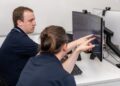
Building reliable medical AI tools requires close teamwork between healthcare professionals and technology experts. Engineers may design the software, but radiologists help ensure the systems actually make sense in real clinical settings. When doctors and developers work side by side, the technology becomes far more useful for patient care.
Radiologists also help developers understand how diseases appear across different types of medical scans. They provide important context on patient history, imaging findings, and other factors that can affect how a scan is interpreted. This kind of insight helps AI tools give doctors more accurate and meaningful support during the decision-making process.
Collaboration also improves trust among healthcare providers. Doctors are more likely to use AI tools when they understand how specialists contributed to the system. Clear communication between medical and technical teams supports better adoption in hospitals.
Reducing False Positives and Missed Diagnoses
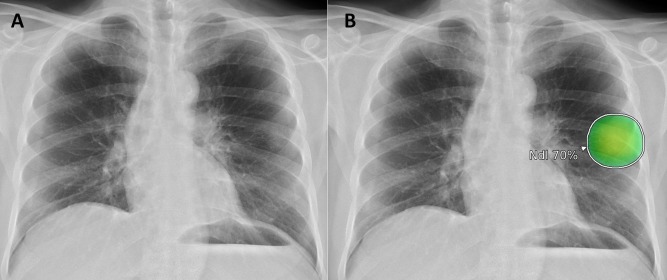
One of the more difficult parts of medical AI is preventing false positives. This happens when the system detects a potential issue that isn’t actually there. Radiologists review these situations closely and help determine why the AI reached the wrong conclusion.
False positives can cause stress for patients and sometimes lead to unnecessary follow-up tests or imaging. By working alongside developers, radiologists help improve how the software responds to normal findings and harmless variations in scans. As the system learns from these corrections, the technology becomes more accurate and dependable for doctors using it in real clinical settings.
Missed diagnoses are another important concern in medical imaging. Some conditions are rare or vary from patient to patient, making them harder for AI systems to recognize. Radiologists bring years of real clinical experience that helps the technology learn how to identify a wider range of medical issues more accurately.
Building Diverse and Reliable Training Data
Medical AI systems perform better when trained on a wide range of real patient images. Radiologists review scans from people with diverse backgrounds, ages, and medical conditions to help create stronger, more balanced datasets. This gives AI tools a better chance of performing accurately across many patient types.
Not every hospital uses the same equipment or follows the exact same scanning process. Because of this, medical images can sometimes look different depending on the machine or image quality. Radiologists help AI systems learn how to work with these differences so the technology can provide more consistent results across different healthcare settings.
Andrew Ting has also pointed out the importance of medical AI learning from a wide variety of clinical data. When systems are trained on data from multiple patient groups, they are less likely to develop bias or produce uneven results. This helps create AI tools that are more dependable and better suited for patients from all backgrounds.
Supporting Doctors Rather Than Replacing Them
Many people in healthcare see AI as a helpful tool rather than a replacement for doctors. Radiologists still make the final call when it comes to diagnosing patients and deciding on treatment. AI simply provides them with extra support to improve speed and accuracy during the review process.
In busy hospital environments, AI can help flag scans that may require immediate attention. This allows radiologists to review urgent cases sooner and focus on patients who may need quick treatment or further testing. Faster scan evaluations can sometimes make a real difference in helping patients receive care earlier.
Even with advanced AI tools, human expertise remains vital in medicine. Doctors consider many factors beyond imaging results, including symptoms, medical history, and lab findings, when making decisions. Radiologists combine all of this information with AI support to provide more accurate and thoughtful patient care.
Ethical Responsibility in Medical AI
Ethical concerns remain an important part of AI development in healthcare. Radiologists help ensure patient information is used responsibly during training and testing. Their involvement supports stronger privacy and safety standards.
Healthcare specialists also examine whether AI systems perform fairly for all patient groups. Some programs may perform better for certain populations when the training data is less diverse. Radiologists identify these issues and encourage improvements that support equal care.
Transparency is another important factor in building trust. Doctors and patients need to understand how AI systems reach conclusions. Radiologists help explain these processes in ways that make the technology easier to evaluate and use responsibly.
Final Thoughts
Artificial intelligence is helping doctors review medical images faster and with greater accuracy than ever before. Even with these advances, radiologists continue to play a major role by guiding how these systems learn and improve over time. Dr Andrew Ting believes the strongest medical AI tools are built through close collaboration between healthcare professionals and technology experts.