Chimneys are essential for proper ventilation in homes with fireplaces, wood stoves, or other solid fuel heating systems. However, their functionality and safety are highly dependent on regular maintenance. Over time, chimneys accumulate soot, creosote, ash, and debris, which can obstruct airflow, reduce heating efficiency, and even pose serious fire hazards. Professional Chimney Cleaning ensures that these systems operate safely and efficiently, protecting both the home and its occupants from potential dangers. A thorough chimney cleaning involves more than simply removing visible soot; it requires skilled techniques, specialized tools, and a detailed understanding of chimney structures and ventilation systems.
Neglecting chimney maintenance can lead to hazardous consequences. Creosote, a highly flammable byproduct of burning wood, gradually builds up along the inner walls of the flue. Even small deposits can ignite, resulting in destructive chimney fires that can spread to the rest of the home. Additionally, debris such as leaves, dust, and even small animal nests can obstruct airflow, causing smoke or carbon monoxide to enter living spaces. These conditions not only compromise indoor air quality but also endanger the health and safety of residents. Professional Chimney Cleaning addresses these issues comprehensively, restoring proper ventilation, reducing fire risks, and ensuring that heating appliances function at peak efficiency.
The Importance of Regular Chimney Cleaning
Maintaining a clean chimney is essential for both safety and the efficient operation of heating systems. Blocked or dirty chimneys can allow smoke and harmful gases to infiltrate living spaces, posing immediate health risks such as respiratory irritation and long-term dangers from carbon monoxide exposure. In addition to safety concerns, poorly maintained chimneys reduce the efficiency of fireplaces and stoves, requiring more fuel to achieve the same level of warmth. This inefficiency results in higher heating costs and increased wear on heating appliances. By scheduling professional Chimney Cleaning, homeowners ensure that their chimneys are free from obstructions, well-ventilated, and capable of delivering consistent heat throughout the home.
Another critical aspect of chimney cleaning is the preservation of structural integrity. Over time, soot, creosote, and moisture can damage masonry and flue liners, leading to cracks, loose bricks, or even partial collapse if left unaddressed. Regular professional cleaning not only removes hazardous deposits but also allows for inspection of the chimney’s structure. Early detection of damage or wear enables timely repairs, preventing small issues from escalating into major structural problems. By maintaining both the cleanliness and stability of the chimney, homeowners protect their investment, reduce repair costs, and ensure a safe environment for their families.
How Professional Chimney Cleaning Works
Professional Chimney Cleaning is a detailed process that goes far beyond the superficial removal of soot from a fireplace. The first step is a thorough inspection to assess the condition of the chimney, including the flue, damper, and masonry. This inspection identifies areas with excessive creosote buildup, cracks, or blockages that could impede airflow or increase fire risk. Professionals may also check for signs of moisture damage, animal nests, or other obstructions that could compromise the performance of the chimney.
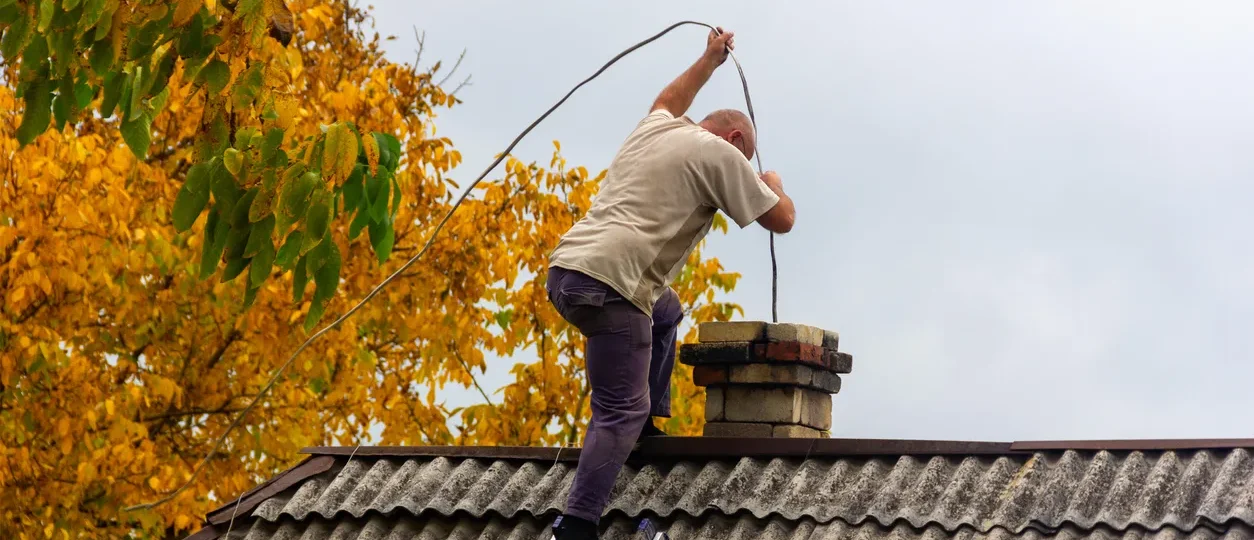
Once the inspection is complete, the Chimney Cleaning process begins. This involves the use of specialized brushes, rods, and vacuums to remove creosote, soot, and debris from the entire length of the flue. Professionals carefully work from the top down or the bottom up, depending on the structure and accessibility of the chimney, ensuring that every section is thoroughly cleaned. Advanced cleaning techniques may also include the use of chemical agents or high-powered vacuums to address stubborn deposits, particularly in chimneys with heavy creosote accumulation. The goal is to restore proper airflow, eliminate fire hazards, and optimize the performance of heating appliances.
After cleaning, professionals often conduct a follow-up inspection to verify that the chimney is free from blockages and that no damage occurred during the cleaning process. Any structural issues detected during this phase can be addressed immediately or scheduled for repair, ensuring the chimney remains safe, functional, and efficient for years to come.
Benefits of Regular Chimney Cleaning
Investing in regular Chimney Cleaning offers numerous benefits, both in terms of safety and operational efficiency. The most immediate advantage is the reduction of fire hazards. Creosote is highly flammable, and even a small accumulation can ignite, causing dangerous chimney fires. By removing creosote and other debris, professionals significantly reduce the risk of such incidents, protecting the home and its occupants.
Another key benefit is improved indoor air quality. Blocked or dirty chimneys can allow smoke, dust, and toxic gases to enter living spaces. Regular cleaning ensures proper ventilation, allowing fireplaces and stoves to function efficiently and deliver clean, safe heat. Additionally, a well-maintained chimney reduces wear on heating appliances, extending their lifespan and reducing maintenance costs over time.
Aesthetic and property value improvements are also notable advantages. A clean, well-maintained chimney enhances the overall appearance of a home, giving it a polished and cared-for look. Prospective buyers often consider the condition of chimneys and fireplaces when evaluating property value, making regular Chimney Cleaning a smart investment for long-term property preservation and resale potential.
Signs That Indicate a Chimney Needs Cleaning
Homeowners should be aware of indicators that signal the need for professional Chimney Cleaning. Visible creosote buildup, which appears as thick black or dark brown deposits along the flue walls, is one of the most obvious signs. Smoke entering the living area instead of venting outside also indicates blockage or malfunction, requiring immediate attention. Persistent odors, reduced heating efficiency, and visible damage to the chimney structure, such as cracks or loose bricks, are additional signs that professional cleaning is necessary. Ignoring these warning signals increases the risk of fire, structural damage, and exposure to harmful gases, making timely professional service essential.
Best Practices for Maintaining a Chimney Between Cleanings
While professional cleaning is vital, homeowners can take steps to maintain their chimneys between service appointments. Burning well-seasoned wood with low moisture content reduces creosote formation and minimizes smoke production. Installing chimney caps and screens prevents debris, animals, and sparks from entering the flue, further reducing maintenance needs. Regular visual inspections help detect early signs of deterioration, allowing timely intervention. By combining these preventive measures with professional Chimney Cleaning, homeowners can ensure long-term safety, efficiency, and optimal performance of their heating systems.
Choosing the Right Chimney Cleaning Service
Selecting a qualified Chimney Cleaning professional is essential for achieving safe and effective results. Homeowners should look for service providers with proper certifications, extensive experience, and positive client reviews. Insurance coverage is also critical, as it protects both the homeowner and the service provider in case of accidents or damage. Clear communication, transparent pricing, and detailed inspection reports indicate professionalism and expertise, ensuring that homeowners receive high-quality service that meets both safety and performance standards. Additionally, experienced professionals often provide guidance on complementary services such as chimney repair, waterproofing, or repointing, helping homeowners maintain their chimneys comprehensively.
Long-Term Benefits of Professional Chimney Cleaning
Routine professional Chimney Cleaning provides long-term benefits that extend beyond immediate safety concerns. A clean chimney reduces the risk of fires, prevents moisture-related structural damage, and enhances the performance of heating appliances, allowing them to operate efficiently with lower fuel consumption. Consistent maintenance also extends the lifespan of the chimney and associated systems, reducing the need for expensive repairs. Finally, regular professional cleaning ensures peace of mind, knowing that the home’s ventilation systems are functioning safely and effectively, providing a comfortable and secure living environment for family members year after year.
Conclusion
Professional Chimney Cleaning is an essential service for homeowners who prioritize safety, efficiency, and the longevity of their heating systems. By removing soot, creosote, and other debris, chimney cleaning reduces fire hazards, improves indoor air quality, and enhances the performance of fireplaces and wood stoves. Combined with preventive maintenance and regular inspections, professional cleaning ensures that chimneys remain safe, structurally sound, and efficient for years to come. Investing in professional Chimney Cleaning is not merely a precaution; it is a strategic step in maintaining the safety, comfort, and value of the home, making this service an indispensable part of responsible homeownership.