In modern interior design, creating spaces that are both visually appealing and highly functional has become an essential priority. One of the most effective ways to achieve this balance is through the use of built in wall units, which combine practicality, style, and personalization in a single design element. Unlike standalone furniture, built-in wall units are designed to integrate seamlessly with the architecture of a room, providing optimized storage, display opportunities, and aesthetic enhancement without compromising floor space. The appeal of built in wall units lies in their versatility, allowing homeowners and designers to customize dimensions, materials, finishes, and configurations to suit specific needs and design visions. From living rooms and entertainment areas to home offices, bedrooms, and dining spaces, built in wall units offer a tailored solution that maximizes utility while elevating the overall elegance of the interior. Understanding the benefits, design considerations, material choices, installation process, and maintenance requirements is essential for anyone considering investing in these versatile and stylish storage solutions.
The Advantages of Built In Wall Units
The primary advantage of built in wall units is their ability to combine storage, display, and decorative functionality in a way that complements the architecture of a space. Unlike freestanding furniture, built in wall units are customized to fit exact wall dimensions, ensuring efficient utilization of vertical and horizontal space while eliminating awkward gaps or wasted areas. This makes them particularly useful in rooms where maximizing storage without cluttering the floor is essential. In addition to enhancing functionality, built in wall units contribute to a cohesive interior design, as they can be tailored to match the materials, colors, and overall aesthetic of the room. The integration of lighting, shelving, and specialized compartments further enhances their usability, creating spaces for books, decorative items, electronics, and other essentials. The durability of built in wall units is another key advantage, as they are often constructed using high-quality materials and craftsmanship, providing long-term stability and resilience that surpasses that of typical standalone furniture. Furthermore, these units allow for personalization and creativity, giving homeowners the freedom to design elements that reflect their style, optimize space, and accommodate lifestyle needs.
Applications of Built In Wall Units
Built-in wall units are remarkably versatile, and their applications span across different areas of a home, each requiring unique considerations in design and functionality.
Living Rooms and Entertainment Areas
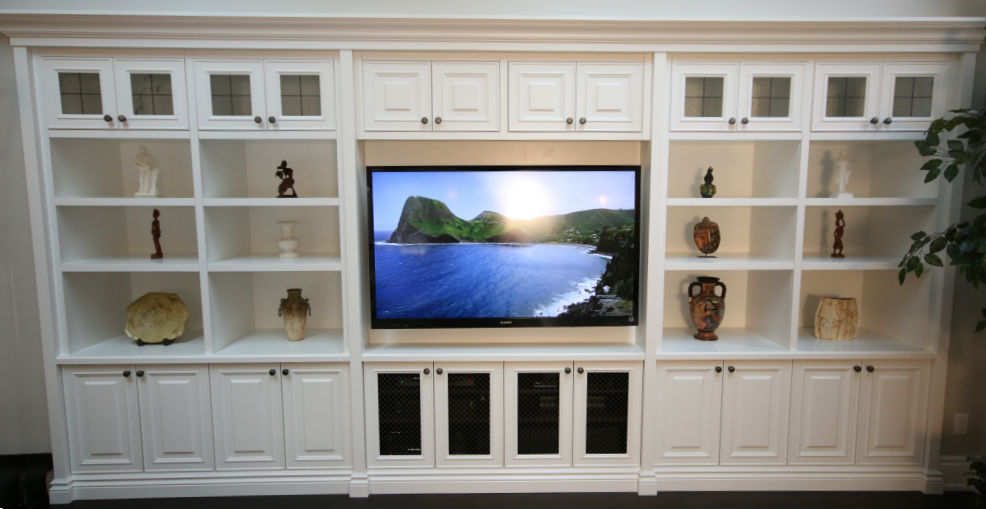
In living rooms, built-in wall units serve as both storage and focal points, often housing entertainment systems, books, decorative objects, and family memorabilia. They can be designed to conceal electronic equipment while providing easy access to wiring and components, resulting in a clean, organized appearance. Shelving, drawers, and cabinets can be combined to balance open display space with closed storage, creating a visually appealing and practical arrangement. Additionally, integrated lighting can highlight key decorative items, add ambiance, and enhance the overall aesthetic of the space. The flexibility of design allows homeowners to incorporate features such as adjustable shelves, hidden compartments, and media consoles, ensuring that the unit meets specific needs while complementing the style and architecture of the room.
Home Offices
In home office settings, built-in wall units provide efficient storage for books, files, office supplies, and technology, while also maximizing floor space and promoting organization. These units can include a combination of shelves, drawers, and cabinets, allowing for both visible display and hidden storage. Custom designs enable incorporation of work surfaces, pull-out desks, and cable management systems, resulting in a workspace that is functional, aesthetically cohesive, and conducive to productivity. Furthermore, the integration of built in wall units in home offices allows for personalization, reflecting the homeowner’s style and professional needs without sacrificing the overall design of the space.
Bedrooms and Dressing Areas
Bedrooms benefit from built in wall units through optimized storage and design cohesion, particularly in dressing areas or walk-in closets. These units can include wardrobe compartments, drawers, shelving, and display spaces, providing an organized solution for clothing, shoes, accessories, and personal items. By customizing dimensions, finishes, and hardware, homeowners can create built in wall units that complement the bedroom’s decor, enhance functionality, and reduce clutter. Features such as integrated lighting, sliding doors, and adjustable shelves further improve accessibility and convenience, ensuring that the unit meets both practical and aesthetic requirements.
Dining Spaces and Kitchens
In dining rooms or kitchen areas, built-in wall units can function as display cabinets, buffet stations, or storage solutions for dishes, glassware, and pantry items. Their design can incorporate glass-fronted shelves, concealed drawers, or wine storage compartments, providing both elegance and utility. The integration of lighting and decorative elements can enhance the dining experience while creating a cohesive design that aligns with cabinetry, countertops, and flooring. Built in wall units in these areas optimize available wall space while maintaining accessibility and contributing to the overall harmony of the room.
Materials and Construction
The materials and construction techniques used in built in wall units significantly influence their durability, aesthetics, and maintenance requirements. Cabinet-grade plywood, solid wood, MDF, and engineered wood are commonly used materials, each offering distinct advantages depending on the design objectives and budget. Solid wood provides exceptional strength, a timeless appearance, and the ability to be refinished or restored over time, making it suitable for high-end applications. Plywood offers structural stability, resistance to warping, and an excellent base for veneers or laminates. Medium-density fiberboard is valued for its smooth surface, affordability, and adaptability to painted finishes, while engineered wood products provide cost-effective, consistent options for modern designs. Hardware components, including hinges, drawer slides, and handles, are selected for functionality, durability, and visual appeal, ensuring smooth operation and long-lasting performance. The construction process requires precision and craftsmanship, involving careful measurement, cutting, joinery, finishing, and installation to ensure that the unit fits perfectly, operates efficiently, and complements the surrounding architecture.
Design Considerations for Built In Wall Units
When planning built in wall units, several design considerations are essential to achieve a functional and aesthetically pleasing outcome. Accurate measurement of the wall and adjacent spaces is critical to ensure a seamless fit, avoiding gaps or interference with other elements such as windows, doors, or structural features. The configuration of shelves, drawers, and cabinets should balance open display areas with concealed storage to accommodate a variety of items while maintaining visual harmony. Material selection, finish, and color should align with the room’s overall design scheme, whether traditional, contemporary, or transitional, while hardware choices enhance usability and style. Additionally, lighting integration can highlight specific areas, improve functionality, and create ambiance, while ergonomic considerations such as shelf height, drawer accessibility, and cable management optimize usability and convenience. The collaborative input of designers, homeowners, and skilled craftsmen ensures that the built in wall units are tailored to specific needs, maximize efficiency, and enhance the overall interior environment.
Installation and Maintenance
Proper installation is critical to the functionality, durability, and aesthetic quality of built in wall units. Installation involves securing the unit to the wall structure, aligning shelves and cabinets, and ensuring that drawers, doors, and other components operate smoothly. Skilled installation guarantees that the unit is safe, stable, and fully integrated with the room’s architecture, avoiding potential structural issues or operational problems. Maintenance of built in wall units involves regular dusting, cleaning with non-abrasive products, and periodic inspection of hardware to ensure smooth operation. Wooden surfaces may benefit from occasional polishing, while painted or laminated surfaces require gentle cleaning to prevent scratches and preserve finishes. Proper care ensures that the units remain visually appealing, functional, and structurally sound for many years, reinforcing the long-term value of this investment in interior design.
Customization and Personalization
One of the key advantages of built in wall units is the ability to customize and personalize every aspect of the design. Dimensions can be tailored to fit unconventional spaces, ensuring maximum utility without compromising style. Materials, finishes, and colors can be selected to match existing decor, while shelves, cabinets, and drawers can be arranged to meet specific storage needs. Additional features such as integrated lighting, sliding doors, adjustable shelving, or hidden compartments allow homeowners to create a truly personalized solution that enhances both functionality and aesthetic appeal. This level of customization ensures that built in wall units are not only practical but also unique, reflecting the personality, lifestyle, and design preferences of the occupants.
Conclusion
Built-in wall units provide a sophisticated, practical, and visually cohesive solution for modern interiors, seamlessly combining storage, display, and design in a single element. From living rooms and entertainment areas to home offices, bedrooms, and dining spaces, these units optimize wall space, reduce clutter, and enhance the aesthetic appeal of a room. Constructed using high-quality materials, precise joinery, and expert craftsmanship, built in wall units offer durability, long-term functionality, and versatility that surpasses conventional freestanding furniture. By considering design, materials, functionality, and maintenance, homeowners can create customized built in wall units that meet specific needs, reflect personal style, and elevate the overall interior design. Incorporating built in wall units into a home or workspace not only maximizes efficiency but also transforms interiors into elegant, organized, and highly functional environments, providing a lasting investment in both utility and aesthetic refinement.