Introduction: The Importance of a Well-Designed Porch
A porch is more than just an entryway or transitional space between the outdoors and the interior of a home; it is an integral part of the property that enhances both functionality and aesthetic appeal. Traditionally, porches have been valued for their ability to provide shelter, create a welcoming entrance, and offer a comfortable space to enjoy outdoor surroundings while remaining protected from the elements. Modern architectural trends have expanded the utility of porches, transforming them into versatile areas for social gatherings, personal relaxation, outdoor dining, or even as extensions of the living space. The design, materials, and maintenance of a porch contribute significantly to the overall impression of a property, influencing both curb appeal and usability. From wooden or composite structures to concrete or stone-based designs, each porch presents unique challenges and opportunities that require thoughtful consideration to achieve longevity, safety, and visual harmony with the home. Emphasizing the importance of a well-constructed and carefully maintained porch ensures that this space fulfills both practical and aesthetic functions while enhancing the overall value of the property.
Design Considerations for an Effective Porch
Designing a porch involves multiple factors, including size, shape, layout, materials, and integration with the home’s architecture. The size of a porch should balance available space with intended functionality, whether it is meant for seating, outdoor dining, or simply providing an inviting entrance. Shape and layout are critical to ensuring ease of access, flow, and visual appeal. Materials selection is equally important, as porches endure exposure to weather, moisture, and foot traffic. Wood remains a popular choice for its natural appearance and warmth, but requires proper sealing, staining, or painting to prevent decay and weathering. Composite materials provide durability and low maintenance, while stone or concrete designs offer longevity and structural strength with minimal upkeep. Safety is another essential consideration; railings, steps, and flooring should be sturdy, slip-resistant, and compliant with building standards. Thoughtful lighting, both natural and artificial, enhances usability during the evening while emphasizing the architectural features of the porch. Integrating seating, planters, or decorative elements can transform the porch into a functional extension of the home’s living space, providing comfort and aesthetic appeal. Ultimately, a well-designed porch balances beauty, practicality, and durability, creating a space that is both welcoming and long-lasting.
Materials and Construction Techniques
The choice of materials and construction methods significantly affects the durability, maintenance, and appearance of a porch. Traditional wood offers warmth and visual charm, but requires careful treatment to prevent rot, warping, or insect damage. Cedar, redwood, and pressure-treated lumber are commonly used for their resilience and natural resistance to decay. Composite decking has grown in popularity for its longevity, resistance to moisture, fading, and low maintenance requirements, making it ideal for homeowners seeking a durable solution without compromising aesthetics. Concrete and stone porches provide a solid, long-lasting foundation and can be customized with textured finishes, staining, or decorative patterns. The construction process must emphasize proper drainage, structural support, and adherence to safety codes to prevent future issues such as water pooling, settling, or structural instability. Incorporating high-quality fasteners, sealants, and protective coatings enhances the lifespan of the porch while reducing the frequency of maintenance. The combination of well-chosen materials, skilled craftsmanship, and strategic design ensures a porch that is visually appealing, functional, and capable of withstanding the challenges of time and weather exposure.
Functional Benefits of a Porch
A porch offers multiple functional benefits that extend beyond its role as an entryway. One of the primary advantages is its ability to provide shelter from rain, snow, sun, and wind, making the transition between outdoor and indoor environments more comfortable. Porches also serve as social spaces, allowing for seating, relaxation, and entertainment. Families can enjoy morning coffee, evening conversations, or casual gatherings without leaving the comfort of their home. Additionally, a porch enhances security by providing a buffer zone between the exterior and interior, allowing visitors to wait in a covered area while homeowners respond. Strategically positioned porches can also improve energy efficiency by shading windows and exterior doors, reducing heat gain during warmer months. Beyond functionality, a porch creates a psychological benefit by offering a connection to nature, fostering relaxation, and promoting well-being through outdoor exposure. Considering these multiple functional benefits, a porch is an investment in both comfort and property value, transforming a simple entryway into a versatile and valuable component of the home.
Maintenance Strategies for Longevity
Maintaining a porch is essential to ensure durability, safety, and appearance. Regular cleaning removes debris, dirt, and organic matter that can promote decay or staining. Wooden porches benefit from annual sealing or staining to prevent moisture damage, while composite and stone surfaces require less frequent maintenance but should still be kept clean to maintain aesthetic appeal. Checking for loose boards, nails, or screws is important to prevent accidents and preserve structural integrity. Railings, steps, and support posts should be inspected for stability, rot, or corrosion. Seasonal considerations, such as removing snow, preventing water pooling, and protecting surfaces from sun damage, contribute to the long-term health of the porch. Attention to proper drainage is crucial, as standing water can lead to mold, mildew, and structural deterioration. By implementing consistent maintenance routines, homeowners can extend the lifespan of their porch, ensuring that it remains both safe and visually appealing for years to come.
Enhancing Aesthetic Appeal
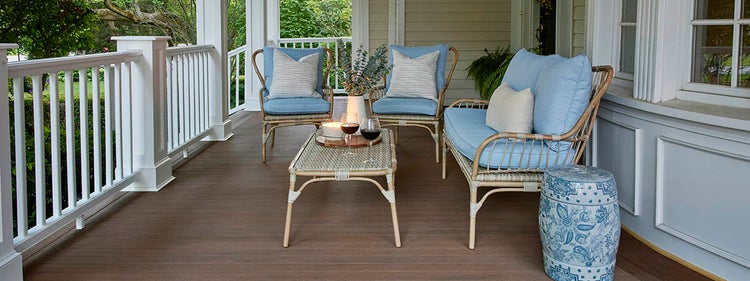
The aesthetic appeal of a porch can significantly influence the overall impression of a property. Color choices, architectural details, lighting, furniture, and decorative elements contribute to a porch’s visual impact. Coordinating the porch design with the home’s exterior style ensures harmony and enhances curb appeal. Seasonal decorations, planters, rugs, and seating arrangements can transform the porch into a welcoming and comfortable area that reflects personal style. Lighting, both functional and decorative, improves safety during nighttime use while highlighting architectural features. Additionally, incorporating textures such as wood grain, stone patterns, or woven materials creates visual interest and depth. A thoughtfully designed and well-maintained porch enhances both the home’s exterior appearance and the homeowner’s lifestyle, offering a space that is attractive, functional, and enjoyable for daily use.
Porch as an Investment
A porch is not only a functional and aesthetic feature but also a significant investment in property value. Homes with well-designed, maintained, and attractive porches often command higher market value due to their enhanced curb appeal, practical benefits, and additional usable space. A porch adds to the perceived size and livability of a home, offering areas for relaxation, socializing, and outdoor enjoyment. The investment in quality materials, construction, and design pays off over time by reducing repair costs, minimizing maintenance efforts, and increasing property desirability. Prospective buyers often view a porch as a symbol of comfort and sophistication, making it an essential feature for both residential and commercial properties. The combination of functionality, aesthetic appeal, and value enhancement positions a porch as a strategic and worthwhile investment for property owners.
Modern Trends in Porch Design
Modern porch design emphasizes versatility, durability, and aesthetic innovation. Contemporary trends include integrating smart lighting systems, weather-resistant furniture, retractable screens, and energy-efficient features to enhance usability and comfort. Open-concept porches, multi-level designs, and extended seating areas reflect evolving lifestyles, accommodating both entertainment and relaxation. The use of composite materials, sustainable wood alternatives, and low-maintenance finishes aligns with eco-friendly and practical considerations. Additionally, designers are incorporating greenery, planters, and vertical gardens to create visually appealing spaces that foster a connection with nature. By combining traditional charm with modern functionality, contemporary porches serve as extensions of indoor living spaces, blending beauty, comfort, and practicality.
Conclusion
A porch is far more than just an entrance to a home; it is a multifunctional, aesthetically significant, and value-enhancing space that enriches both the property and the lifestyle of its occupants. From design considerations and material selection to maintenance strategies, functional benefits, and modern trends, a well-executed porch offers comfort, security, and beauty while fostering outdoor enjoyment. Regular upkeep ensures longevity, safety, and visual appeal, while thoughtful design and decorative enhancements elevate the overall experience. By investing in a well-crafted and maintained porch, homeowners can create a space that is versatile, welcoming, and enduring, seamlessly blending functionality with style. With proper attention to design, construction, and care, a porch remains a timeless and valuable element of any property, offering lasting benefits and enriching everyday life.