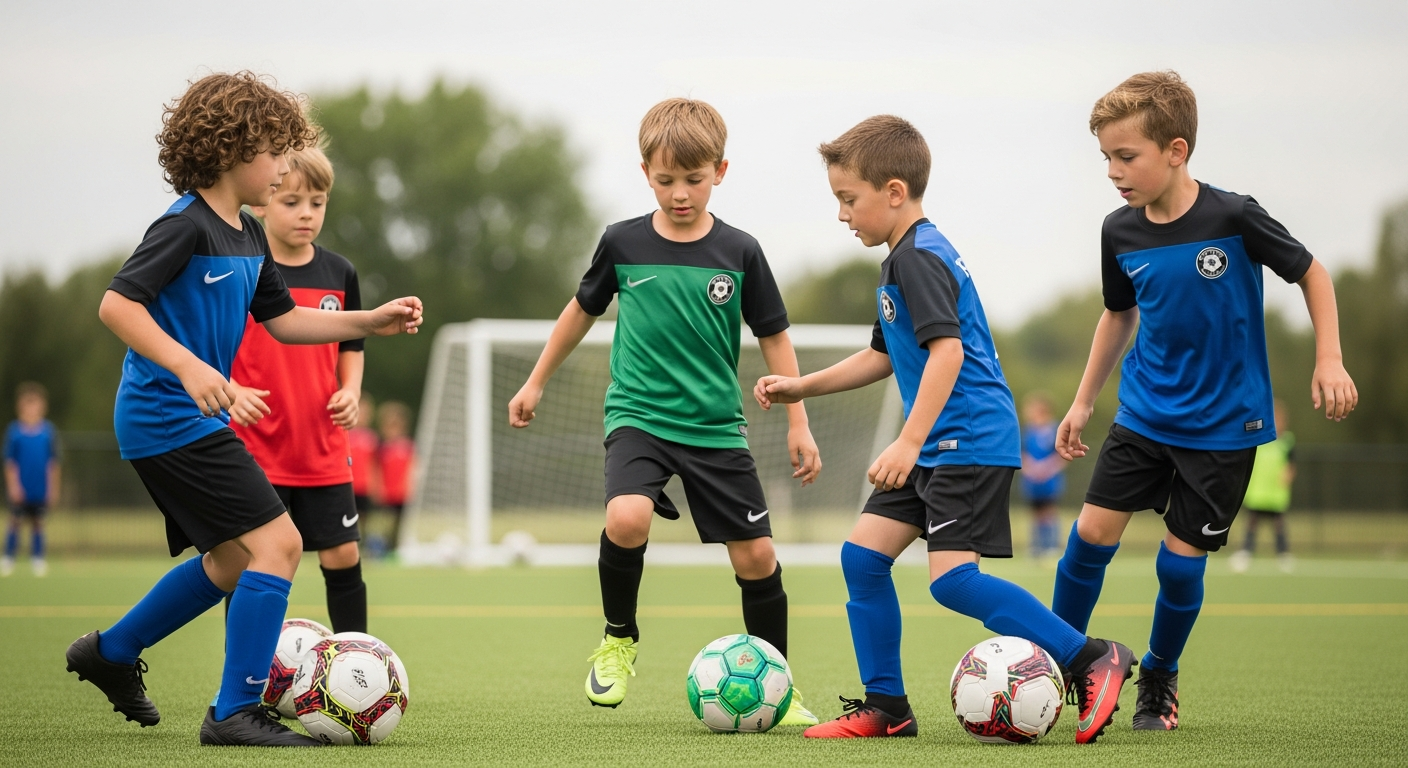
Soccer is one of the most widely played sports in the world, offering young athletes a unique combination of physical, mental, and social development. For children and teens with a passion for the game, structured youth soccer training provides an environment designed to nurture skills, build confidence, and promote long-term success. Unlike casual play, formal training programs focus on developing technical ability, tactical understanding, fitness, and personal growth, creating a foundation for both competitive play and lifelong involvement in the sport.
Understanding the benefits, structure, and best practices of youth soccer training can help parents, coaches, and young athletes maximize the value of their training experience. From building physical skills to fostering teamwork and discipline, comprehensive soccer training programs provide more than just on-field improvement they shape character, encourage healthy habits, and cultivate resilience.
The Importance of Youth Soccer Training
Structured youth soccer training differs significantly from recreational play, as it emphasizes skill acquisition, tactical knowledge, and consistent practice. Children participating in formal training programs receive guidance from experienced coaches who can identify strengths and weaknesses, provide targeted instruction, and track progress over time.
Technical development is a primary focus, including skills such as dribbling, passing, shooting, ball control, and defensive techniques. Tactical education teaches young athletes how to read the game, understand positioning, anticipate opponents’ movements, and make effective decisions on the field. This combination of technical and tactical development ensures players gain a comprehensive understanding of the sport, preparing them for higher levels of competition while fostering confidence in their abilities.
Physical Benefits of Youth Soccer Training
Engaging in structured soccer training offers numerous physical benefits for young athletes. Soccer is an intense, multi-directional sport that develops cardiovascular fitness, strength, endurance, agility, and coordination. Training programs often include conditioning exercises, speed drills, and plyometric routines to enhance athletic performance while promoting proper muscle development and injury prevention.
Additionally, consistent physical activity through youth soccer training encourages a healthy lifestyle and helps children maintain optimal body composition. By incorporating warm-ups, cool-downs, and stretching into daily routines, young players develop flexibility, reduce the risk of injury, and build the physical resilience required for competitive sports.
Mental and Cognitive Advantages
Youth soccer training provides significant cognitive and mental benefits in addition to physical improvements. Soccer requires focus, concentration, and rapid decision-making, all of which contribute to enhanced cognitive function. Players must process multiple variables during gameplay, anticipate opponents’ strategies, and execute precise movements under pressure.
Structured training also fosters discipline, resilience, and emotional regulation. Players learn to handle setbacks, manage competition, and maintain focus during high-pressure situations. Confidence grows as skills improve, enabling young athletes to apply lessons learned on the field to academic challenges, social interactions, and everyday problem-solving.
Building Teamwork and Leadership Skills
A key component of youth soccer training is developing teamwork and leadership. Soccer is inherently a team sport, requiring players to communicate effectively, support teammates, and work collaboratively toward shared goals. Training exercises often include small-sided games, drills that require cooperation, and scenarios that encourage players to assume leadership roles.
Through this process, young athletes learn to value collaboration, understand different perspectives, and develop leadership qualities that extend beyond the soccer field. Coaches emphasize the importance of accountability, sportsmanship, and empathy, reinforcing lessons that help players become responsible and capable individuals both on and off the pitch.
Structure of Youth Soccer Training Programs
High-quality youth soccer training programs are carefully structured to address multiple aspects of development. Training is typically divided into age groups and skill levels, allowing coaches to tailor exercises and instruction appropriately. Sessions often include technical drills, tactical exercises, fitness conditioning, and competitive gameplay to provide a comprehensive learning experience.
Programs may also include specialized training modules, such as position-specific development, goalkeeper training, or advanced tactical analysis. Regular assessments and progress tracking ensure that players receive feedback on their performance and have clear goals for improvement. By following a structured curriculum, youth soccer training programs maximize skill development while maintaining player engagement and enjoyment.
Coaching Philosophy and Expertise
The expertise of coaches plays a critical role in the effectiveness of youth soccer training. Experienced coaches provide instruction that balances skill development, motivation, and personal growth. They create an environment that challenges players while fostering confidence, discipline, and a love for the game.
Professional youth soccer training programs often invest in ongoing coach education, ensuring that staff members are familiar with modern training techniques, child development principles, and effective communication strategies. Individualized feedback, performance monitoring, and customized training plans help players progress steadily, addressing both strengths and areas for improvement.
Enhancing Character Through Training
Youth soccer training contributes to character development by instilling values such as responsibility, perseverance, and integrity. Players learn to set goals, manage challenges, and maintain focus during both practices and competitive matches. Handling success and failure on the field builds resilience and emotional intelligence, qualities that are essential in all areas of life.
Training programs also emphasize respect for teammates, coaches, opponents, and referees. Players develop a strong sense of sportsmanship, fair play, and accountability, all of which translate to personal and social development. By integrating character-building principles with athletic instruction, youth soccer training programs create well-rounded individuals who are prepared for challenges beyond sports.
Pathways to Competitive Soccer
For young athletes aspiring to reach higher levels of competition, youth soccer training provides a clear pathway. Many programs maintain connections with club teams, academies, scouts, and collegiate programs, offering opportunities for exposure and advancement. Consistent training, participation in competitive matches, and performance evaluation increase the likelihood of progression to elite levels.
Soccer training programs also provide guidance on nutrition, injury prevention, and mental preparation. These resources help players develop healthy habits, maintain peak performance, and adopt professional routines, all of which are essential for those seeking competitive or professional opportunities in soccer.
Parental Involvement and Support
Parents play a crucial role in the success of youth soccer training programs. Active involvement, encouragement, and positive reinforcement create a supportive environment that motivates young players to succeed. Parents can attend training sessions, communicate with coaches, and monitor progress to better understand their child’s development.
At the same time, it is important for parents to maintain a balanced approach, avoiding undue pressure or unrealistic expectations. A collaborative relationship between parents, coaches, and players ensures that children remain motivated, confident, and focused on growth and enjoyment. Many programs also provide parent education resources, helping families support their children effectively.
Long-Term Benefits of Youth Soccer Training
The impact of youth soccer training extends far beyond the field. Skills, discipline, and values learned during training have lasting effects on personal development. Teamwork, leadership, goal-setting, and time management are applicable in academics, careers, and personal relationships.
Former participants of structured training programs often continue playing recreationally, coaching younger players, or engaging in community soccer initiatives. By fostering lifelong skills, habits, and a passion for the game, youth soccer training ensures that young athletes gain benefits that persist well into adulthood.
Choosing the Right Youth Soccer Training Program
Selecting the appropriate program is essential to maximize the benefits of youth soccer training. Parents should consider factors such as coaching quality, curriculum structure, player-to-coach ratios, training facilities, and opportunities for competitive play. Observing sessions, speaking with staff, and reviewing program results can help identify the best fit for a child’s needs and goals.
A reputable program prioritizes skill development, character building, and overall player well-being over short-term results. By choosing a youth soccer training program that aligns with their child’s aspirations, parents can provide a supportive and structured environment that fosters growth and enjoyment of the game.
Conclusion
Youth soccer training is a comprehensive approach to developing young athletes, combining technical skill, tactical knowledge, physical conditioning, and personal growth. Through structured programs, experienced coaching, and consistent practice, players gain the foundation necessary for both competitive success and lifelong involvement in soccer.
Investing in a youth soccer training program ensures that children benefit from professional guidance, skill development, and character-building experiences. Beyond athletic performance, these programs foster discipline, teamwork, resilience, and leadership, preparing young athletes for challenges both on and off the field. By selecting the right training program and maintaining supportive involvement, families can create a rewarding and transformative soccer experience for their children.