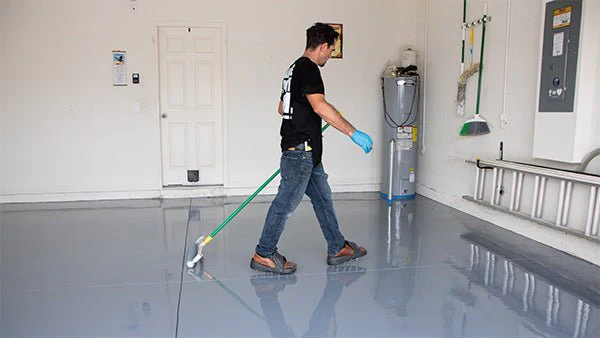
Floors are more than just a foundation for your home or workspace they are a reflection of functionality, aesthetics, and durability. Among the most popular choices for transforming ordinary surfaces into long-lasting, visually appealing areas is garage epoxy flooring. This innovative flooring solution has gained recognition for its strength, versatility, and ability to elevate both residential and commercial garages. By understanding the benefits, types, installation process, and maintenance of garage epoxy flooring, homeowners and property owners can make informed decisions to maximize the longevity and appeal of their floors.
What is Garage Epoxy Flooring?
Garage epoxy flooring is a type of high-performance coating applied to concrete or similar substrates to create a durable, seamless, and visually appealing surface. It consists of a resin and hardener mixture that, when combined, forms a solid and chemically resistant layer capable of withstanding heavy use. Unlike traditional paint or sealants, epoxy flooring provides a protective shield that enhances the floor’s resistance to wear, chemicals, moisture, and stains.
Beyond functionality, garage epoxy flooring offers aesthetic advantages. It can be customized with a variety of colors, finishes, and textures, allowing homeowners to create a polished, modern look that suits their preferences. Decorative elements, such as flakes or metallic pigments, can also be incorporated to produce unique patterns and effects. This combination of durability and beauty has made garage epoxy flooring an ideal choice for both practical and design-focused projects.
Advantages of Garage Epoxy Flooring
One of the primary benefits of garage epoxy flooring is its unmatched durability. The hardened resin layer provides a robust surface capable of withstanding impacts from vehicles, heavy equipment, and daily foot traffic. Unlike concrete alone, epoxy-coated surfaces are highly resistant to chipping, cracking, and other forms of damage that commonly occur in garages.
Another advantage is chemical and stain resistance. Garage floors are often exposed to automotive fluids, cleaning chemicals, and oils, which can quickly damage unprotected concrete. Epoxy flooring creates a non-porous barrier that prevents these substances from seeping into the floor, making spills easy to clean and maintaining a pristine surface over time.
Aesthetic appeal is also significant. Epoxy coatings can be tailored to match a homeowner’s design vision, from classic solid colors to intricate metallic or flake patterns. The glossy finish of epoxy reflects light, brightening the garage space and creating a professional, well-maintained appearance.
Safety and maintenance are additional benefits. Epoxy can incorporate anti-slip additives, improving traction and reducing the risk of accidents in wet or oily conditions. Its seamless surface eliminates cracks and crevices where dirt and bacteria can accumulate, simplifying cleaning and maintaining a hygienic environment.
Types of Garage Epoxy Flooring
There are several types of garage epoxy flooring available, each suited to different needs and aesthetic preferences. Solid epoxy coatings provide a uniform, high-gloss surface that is highly durable and ideal for heavy traffic areas. This type is straightforward, visually clean, and requires minimal maintenance.
Decorative epoxy flooring adds visual interest through colored flakes, chips, or metallic pigments. This approach is popular in residential garages where homeowners want to combine function with a modern, stylish appearance. Flakes or chips embedded in the epoxy layer not only enhance aesthetics but also contribute to anti-slip properties.
Self-leveling epoxy coatings are designed to create perfectly smooth floors that hide minor imperfections in the concrete surface. They are ideal for spaces where visual appeal is essential and where a flawless, uniform finish is desired. Epoxy mortar floors, which blend epoxy with aggregate materials, are an option for industrial or high-impact areas where maximum strength and resistance are required.
By understanding the available types, property owners can select the garage epoxy flooring solution that best meets their functional and design goals.
Installation Process of Garage Epoxy Flooring
Proper installation is crucial to achieving long-lasting and visually appealing results. The process begins with thorough preparation of the existing concrete floor. This step involves cleaning, degreasing, and repairing cracks or imperfections. Concrete may also need to be ground or etched to ensure optimal adhesion of the epoxy coating.
Once the floor is prepared, the epoxy resin and hardener are mixed according to manufacturer specifications. The mixture is then applied evenly across the surface using rollers, squeegees, or trowels. Multiple layers may be applied depending on the desired thickness and type of epoxy. Decorative flakes, chips, or pigments are added while the epoxy is still wet to create visual effects, and a topcoat is applied to seal the surface and enhance durability.
Professional installation ensures proper mixing, application, and curing, minimizing the risk of bubbles, uneven surfaces, or peeling. While DIY options are available, improper preparation or application can compromise the integrity of the flooring and reduce its lifespan.
Maintenance and Longevity
One of the most attractive features of garage epoxy flooring is its low-maintenance nature. Routine cleaning involves sweeping or mopping to remove dirt and debris. For tougher stains, mild detergents or specialized cleaning solutions are effective without damaging the surface. The seamless design of epoxy flooring prevents dirt accumulation and facilitates quick, thorough cleaning.
Epoxy flooring is also resistant to wear, impact, and chemical exposure, which reduces the need for repairs or frequent replacements. Regular inspection for scratches, chips, or peeling areas ensures that minor issues are addressed before they worsen. Applying a protective topcoat periodically can extend the life of garage epoxy flooring, maintaining its appearance and performance for decades.
Applications Beyond Residential Garages
Although garage epoxy flooring is most commonly associated with home garages, its applications extend beyond residential spaces. Commercial spaces, such as retail stores, workshops, and showrooms, can benefit from the durability, aesthetic appeal, and low-maintenance nature of epoxy coatings. Industrial facilities, including warehouses and manufacturing plants, often use epoxy floors to withstand heavy machinery, chemical exposure, and high-traffic conditions.
Healthcare, laboratory, and food-processing environments also use epoxy flooring due to its hygienic properties, chemical resistance, and ease of cleaning. The versatility of epoxy flooring makes it suitable for virtually any environment that requires a durable, protective, and attractive surface.
Environmental Considerations
Modern epoxy flooring products increasingly focus on sustainability and environmental safety. Low-VOC (volatile organic compound) formulations reduce harmful emissions during application, promoting safer indoor air quality. Some systems are designed for application over existing floors, minimizing waste and reducing the need for demolition or disposal of old surfaces. By choosing environmentally responsible products, property owners can benefit from a high-performance flooring solution while reducing their ecological impact.
Choosing the Right Garage Epoxy Flooring Contractor
Selecting a qualified contractor is essential for achieving professional results. Experienced installers have the knowledge, equipment, and skills necessary to prepare the floor properly, mix the epoxy accurately, and apply coatings with precision. A reputable contractor can also advise on the best type of garage epoxy flooring for your specific needs, considering factors such as traffic, chemical exposure, and desired aesthetics.
Professional contractors ensure that the floor adheres to manufacturer specifications and industry standards, delivering durability and a visually polished finish. They also provide warranties, guidance on maintenance, and post-installation support, giving property owners peace of mind. Choosing the right contractor reduces risks, prevents installation errors, and ensures the long-term success of your garage epoxy flooring project.
Enhancing Functionality and Value
Garage epoxy flooring is not only about aesthetics it also adds functional value to your property. The durability and protective properties extend the life of the concrete substrate, preventing damage from vehicles, chemicals, and moisture. Anti-slip surfaces improve safety, while the ease of cleaning reduces maintenance time and effort.
Additionally, epoxy flooring can enhance property value. A well-maintained, visually appealing garage is a selling point for potential buyers, reflecting the overall quality and upkeep of the property. By combining practical benefits with aesthetic improvements, garage epoxy flooring represents a worthwhile investment for homeowners and property managers alike.
Conclusion
Investing in garage epoxy flooring is a smart decision for anyone seeking a durable, low-maintenance, and visually appealing flooring solution. Its strength, chemical resistance, customizable design, and ease of maintenance make it an ideal choice for residential, commercial, and industrial spaces. By understanding the benefits, types, installation process, and maintenance requirements, property owners can ensure a long-lasting, high-performing floor that enhances both functionality and aesthetics.
Professional installation by a qualified contractor ensures optimal results, while proper care and occasional maintenance extend the lifespan of the flooring. Whether for a home garage, commercial workshop, or industrial facility, garage epoxy flooring transforms ordinary surfaces into durable, stylish, and functional areas that stand the test of time.