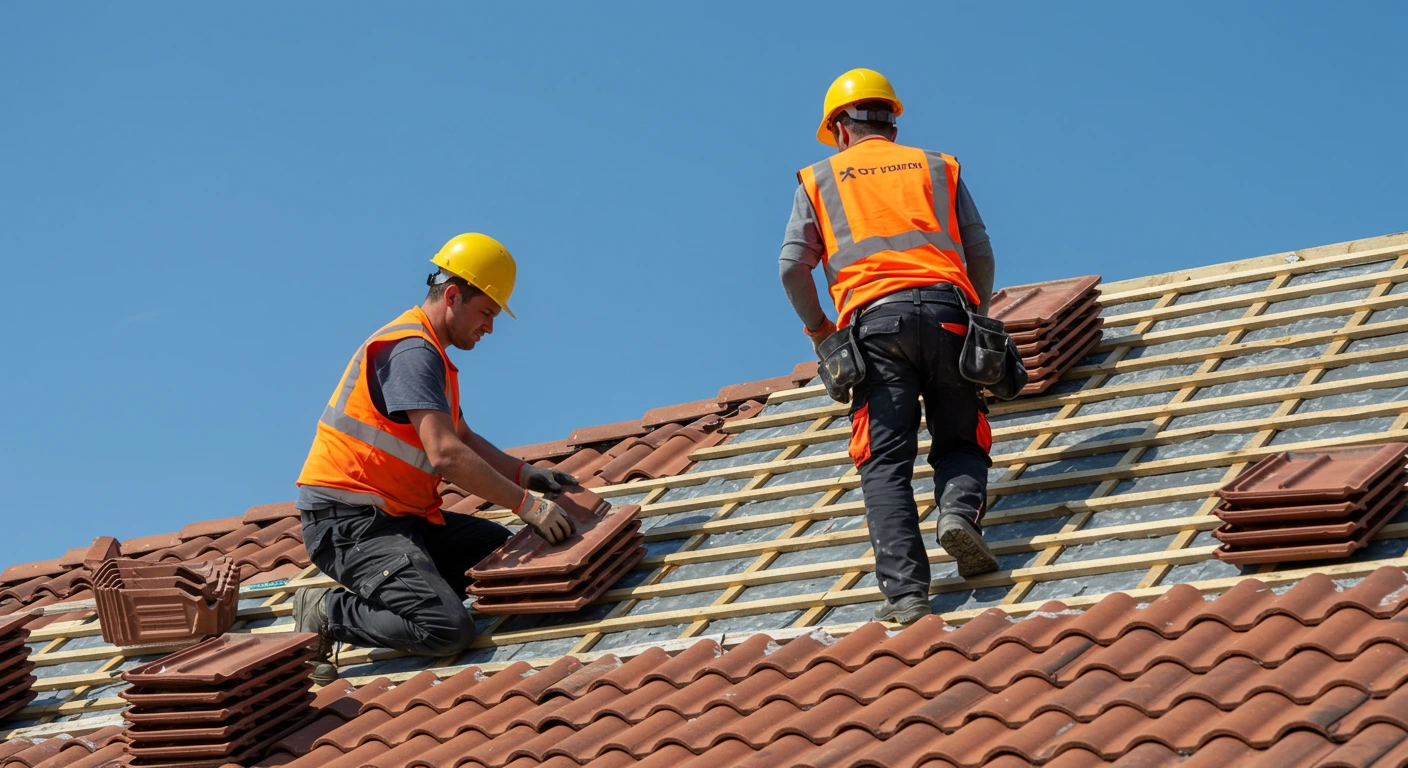
A roof is one of the most essential components of a home, providing critical protection against environmental elements while maintaining the structural integrity and energy efficiency of the property. Over time, roofs are subject to wear and tear caused by factors such as weather fluctuations, UV exposure, storms, and natural material degradation. Failing to address these issues promptly can result in water leaks, structural damage, mold growth, and costly repairs, which is why understanding the process, benefits, and considerations of a professional roof replacement is vital for any homeowner. Roof replacement is not simply about installing new shingles or tiles; it involves a comprehensive evaluation of the existing structure, selection of the right materials, precise installation, and ongoing maintenance to ensure long-term durability. By hiring professionals who are experienced in roof replacement, homeowners can ensure that their property is protected, energy-efficient, and visually appealing for decades to come. A well-executed roof replacement serves as an investment in both safety and financial value, offering peace of mind while enhancing the overall lifespan of the home.
Recognizing the Signs That Indicate a Roof Replacement Is Needed
Identifying when a roof requires replacement is essential to prevent small problems from escalating into major structural issues. Common signs include visible leaks, water stains on ceilings or walls, and excessive moisture in the attic, all of which indicate compromised roofing materials or underlayment. Shingles that are cracked, curled, missing, or significantly worn can no longer provide adequate protection against rain, snow, or wind, leaving the roof vulnerable to further damage. The presence of granules in gutters or downspouts is a clear indication that asphalt shingles are deteriorating and losing their protective layer. Moss, algae, or lichen growth can trap moisture and accelerate the breakdown of roofing materials, potentially leading to rot or weakened structures. Sagging or uneven rooflines suggest underlying issues with the decking or supporting framework, signaling the need for a full roof replacement rather than partial repairs. Age is also a critical factor, as most asphalt shingle roofs last approximately 20 to 30 years, while other materials such as metal, tile, or slate can last much longer. Homeowners who notice multiple warning signs should consult a professional to assess the extent of damage and determine the appropriate course of action for roof replacement.
The Benefits of Professional Roof Replacement
Engaging a professional for roof replacement offers numerous advantages that extend beyond simply fixing damage. First, experts ensure proper installation, which is crucial for the roof’s performance, longevity, and safety. They evaluate the structural integrity of the roof, carefully remove old materials, and install new roofing systems according to manufacturer specifications and building codes. Proper installation prevents leaks, water intrusion, and potential structural deterioration, protecting the property from future problems. Professional roof replacement also includes guidance on material selection based on durability, aesthetic appeal, and energy efficiency, ensuring that the new roof meets both functional and visual expectations. Quality materials paired with expert workmanship reduce maintenance requirements and enhance the home’s curb appeal, potentially increasing its market value. Furthermore, most professional roof replacement services offer warranties for both materials and labor, providing additional assurance and protection against defects or unforeseen issues. By hiring professionals, homeowners gain efficiency, safety, and peace of mind, knowing that their investment is protected and that their roof will perform reliably for years to come.
Understanding the Roof Replacement Process
A comprehensive roof replacement involves multiple steps, each critical to achieving a long-lasting, high-quality result. The process begins with a thorough inspection of the existing roof, assessing the condition of shingles, underlayment, decking, flashing, and structural supports. This evaluation determines whether a partial repair is sufficient or if a full roof replacement is necessary. Once the assessment is complete, roofing professionals remove the old materials carefully, ensuring the underlying structure is not damaged. Any compromised decking, insulation, or underlayment is repaired or replaced to create a solid foundation for the new roof. Material selection is a critical step, taking into account the home’s architectural style, the local climate, durability, energy efficiency, and budget. Installation involves laying underlayment, securing shingles, tiles, or metal panels, and ensuring flashing, vents, and drainage systems are properly installed to prevent leaks and water damage. After installation, professionals perform a quality inspection and clean the property to remove debris, ensuring a safe and aesthetically pleasing result. By following these meticulous steps, a professional roof replacement delivers a durable, functional, and visually appealing roof that protects the property and enhances its value.
Popular Materials for Roof Replacement
Choosing the right material is one of the most important decisions in a roof replacement project, as it affects durability, appearance, and maintenance requirements. Asphalt shingles are popular for their affordability, ease of installation, and moderate lifespan, offering versatility in color and style to complement any home. Metal roofing, including steel, aluminum, and copper, is extremely durable, resistant to extreme weather, and energy-efficient, although it typically involves higher upfront costs. Tile and slate roofing are prized for their aesthetic appeal, longevity, and fire resistance, making them ideal for homeowners seeking a premium look and long-term performance. Wood shingles or shakes provide a classic, natural appearance but require regular maintenance to prevent rot, insect damage, and fire hazards. Flat roofing systems, often used for commercial properties, include materials such as TPO, EPDM, or modified bitumen, each with unique installation requirements and maintenance needs. Professional roofers evaluate the home’s structural capacity, climate conditions, budget, and desired aesthetic to recommend the most suitable material for replacement, ensuring optimal performance and long-term satisfaction.
Post-Replacement Maintenance
Maintaining a roof after replacement is crucial to maximize its lifespan and protect the homeowner’s investment. Routine inspections help identify issues such as loose or damaged shingles, deteriorating flashing, clogged gutters, or moss and algae growth. Regular cleaning of gutters, downspouts, and roof surfaces prevents water accumulation that could compromise the structural integrity of the roof. Roof sealants or reflective coatings may be applied to enhance waterproofing, resist UV exposure, and improve energy efficiency. Debris removal, including leaves, branches, and dirt, minimizes surface wear and moisture retention, which could otherwise shorten the lifespan of the roof. Addressing minor issues promptly, such as replacing a single damaged shingle or repairing flashing, prevents small problems from becoming costly repairs. By following professional maintenance recommendations, homeowners can ensure that their roof continues to deliver reliable protection, energy efficiency, and aesthetic appeal for decades.
Factors to Consider When Planning a Roof Replacement
Several factors influence the success, cost, and longevity of a roof replacement project. Budget considerations must balance quality materials and professional workmanship to ensure long-term value. The type of roofing material, roof design, pitch, and size affect installation complexity and overall cost. Scheduling the replacement during favorable weather conditions reduces the risk of damage and delays caused by rain, wind, or extreme temperatures. Selecting a reputable and experienced roofing professional is essential to guarantee proper installation, adherence to building codes, and compliance with safety standards. Warranties and guarantees provided by the roofer give homeowners peace of mind and protection from defects or installation errors. Additionally, energy efficiency, ventilation, and insulation upgrades should be considered during a roof replacement, as these improvements can reduce energy costs and enhance indoor comfort. Careful planning based on these factors ensures a successful project that meets both immediate needs and long-term expectations.
Safety and Professional Standards
Roof replacement is inherently risky due to working at heights, handling heavy materials, and exposure to environmental conditions. Professional roofers follow strict safety protocols, including the use of harnesses, scaffolding, helmets, and other protective equipment to reduce the risk of injury. They assess the structural stability of the roof before beginning work, identifying weak points or potential hazards that could compromise safety. Professional standards dictate that roofing work is performed according to manufacturer instructions, building codes, and industry best practices, ensuring quality, durability, and compliance. Accurate measurement, careful material handling, proper installation of underlayment and shingles, and correct sealing of flashing and valleys all contribute to a successful roof replacement. Adhering to these safety and professional standards ensures not only the quality and longevity of the roof but also the protection of workers and homeowners throughout the project.
Conclusion
A professional roof replacement is a critical investment for any homeowner seeking to protect, enhance, and maintain the long-term value of their property. Addressing signs of deterioration, leaks, or structural issues promptly prevents costly damage and preserves the integrity of the home. By choosing high-quality materials, following a thorough replacement process, and hiring experienced professionals, homeowners ensure that their roof will provide reliable protection, energy efficiency, and visual appeal for decades. Post-replacement maintenance further extends the roof’s lifespan, while careful planning and adherence to professional standards guarantee optimal results. Roof replacement is not just a repair; it is a strategic decision that safeguards the home, improves energy performance, and provides long-lasting safety and peace of mind for property owners. By investing in a professional roof replacement, homeowners secure both the functional and aesthetic value of their home for years to come.