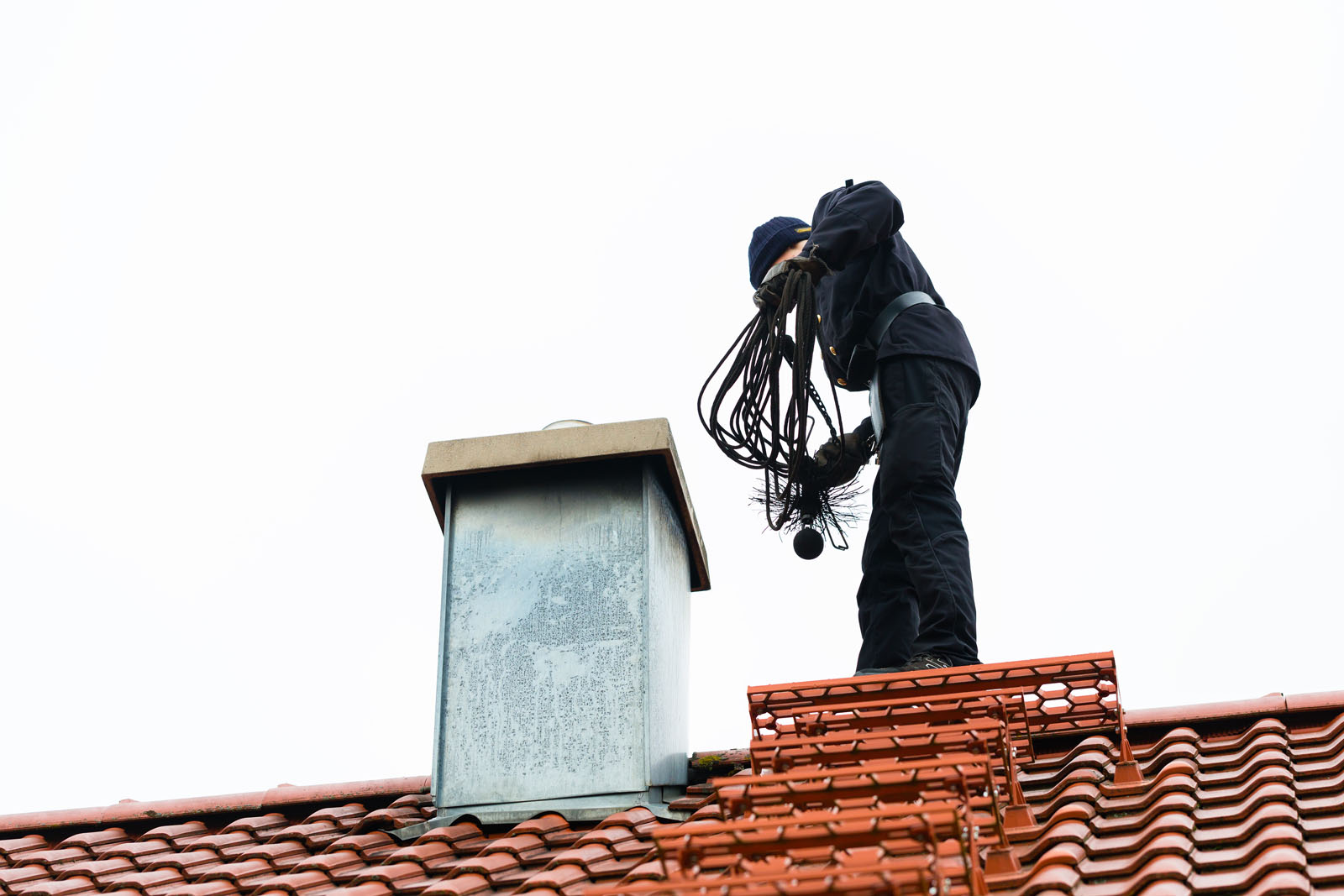
A functional chimney is far more than a decorative feature in a home; it is an essential component of any fireplace or heating system, responsible for venting smoke, gases, and other byproducts of combustion safely out of the house. Many homeowners, however, underestimate the risks associated with neglected chimneys, often assuming that as long as the fireplace appears to be working properly, the chimney does not require regular attention. In reality, the absence of proper maintenance and periodic inspection can lead to dangerous conditions, including house fires, carbon monoxide poisoning, structural deterioration, and even complete failure of the chimney system. For these reasons, scheduling a professional chimney inspection at regular intervals is a critical step toward maintaining both safety and efficiency within the home. This article explores the necessity of chimney inspections, explains the different levels of inspections available, discusses common problems that can arise, and provides guidance on best practices for keeping a chimney safe, functional, and long-lasting.
The Critical Role of Chimney Inspection in Home Safety
Chimneys perform a crucial function by directing smoke and combustion gases out of the home, ensuring that indoor air remains clean and safe. Over time, however, chimneys can develop a wide range of issues due to the constant exposure to heat, moisture, creosote, and environmental elements. A thorough chimney inspection is the only reliable way to identify these problems before they escalate into significant hazards. Such inspections can detect dangerous blockages caused by debris, nests, or other obstructions, which if left untreated, may prevent proper ventilation, leading to smoke damage, inefficient heating, or the accumulation of toxic gases like carbon monoxide within the living space. Additionally, inspections can reveal structural weaknesses such as cracks in the masonry, deteriorated mortar, or shifting foundations that could compromise the stability of the chimney over time. Beyond immediate safety concerns, regular inspections also help ensure that the fireplace or stove operates efficiently, preventing energy loss and reducing fuel consumption, which ultimately contributes to lower heating costs and a more environmentally responsible home.
Homeowners who plan to sell their properties also benefit significantly from professional chimney inspections, as they provide certification that the chimney is safe, functional, and free of hidden defects. Buyers gain confidence knowing that the structure has been thoroughly examined, while sellers can avoid disputes or delays during property transactions. A certified inspection report often serves as a key document in real estate transactions, confirming the integrity of one of the home’s most important heating and ventilation components.
Understanding the Levels of Chimney Inspection
Professional chimney inspections are generally classified into three levels, each providing a progressively more detailed evaluation. Understanding the distinctions among these levels is important for determining which type of inspection is appropriate based on the condition of the chimney, its usage history, and any recent changes or incidents that may have affected its integrity.
Level 1 Inspection is the most basic form of examination, typically performed on chimneys that are in regular use and have no known damage or history of structural problems. During this inspection, the professional visually examines accessible portions of the chimney, including the flue, firebox, and chimney cap, while checking for minor cracks, soot accumulation, creosote buildup, or small blockages. A Level 1 inspection is ideal for routine annual maintenance and for chimneys that have been consistently monitored and cleaned over the years.
Level 2 Inspection offers a more comprehensive evaluation and is usually required under specific circumstances, such as before a home sale, after a chimney fire, or following substantial modifications to the heating system. In addition to the elements examined in Level 1, this inspection extends to the attic, crawl spaces, and roof areas surrounding the chimney, sometimes using specialized tools like video cameras to assess areas that are otherwise inaccessible. Level 2 inspections are essential for identifying issues that may not be immediately visible, such as hidden structural damage or obstructions within the flue that could compromise safety.
Level 3 Inspection is the most in-depth and invasive form of chimney evaluation, performed only when there is suspicion of serious damage, safety hazards, or after catastrophic events such as fires or severe storms. This type of inspection may require the removal of portions of walls, ceilings, or other building structures to access the chimney fully. Level 3 inspections are often necessary for detecting hidden structural defects, extensive deterioration, or compromised foundations that could pose significant risks if left unaddressed. While more costly and time-consuming, Level 3 inspections provide the most comprehensive assurance of safety and performance.
Common Problems Revealed During Chimney Inspection
A professional chimney inspection can uncover a variety of problems that, if left untreated, could lead to severe safety hazards or costly repairs. One of the most frequent issues encountered is creosote buildup, which results from burning wood and accumulates along the interior walls of the chimney flue. Creosote is highly combustible, and even a thin layer can dramatically increase the risk of chimney fires, which may spread to the home if not promptly addressed.
Masonry deterioration is another prevalent concern. Bricks, mortar, and other materials are susceptible to the effects of weather, water infiltration, and repeated exposure to heat. Cracks, spalling, and loose bricks can compromise the structural integrity of the chimney and lead to leaks, interior water damage, or complete failure if ignored over time.
Blockages caused by birds, rodents, leaves, or other debris are also commonly identified during inspections. Such obstructions not only reduce the efficiency of the chimney but can also allow dangerous gases to accumulate within the living space, creating a serious health hazard. Chimney caps and flashing, which are designed to protect the chimney from water intrusion and prevent animals from entering, are frequently damaged or missing, leading to additional deterioration of the structure and water-related problems within the surrounding areas of the roof. Finally, structural shifts and settling over time can cause misalignment, cracks, or instability in the chimney, and early detection through inspection allows for preventive measures before extensive damage occurs.
Advantages of Professional Chimney Inspection
While some homeowners may attempt basic inspections themselves, relying solely on visual checks and anecdotal observations is not sufficient to ensure chimney safety. Professional inspections provide numerous advantages that protect both property and occupants. Safety is the primary benefit, as certified inspectors are trained to recognize subtle signs of damage, structural weaknesses, fire hazards, and potential gas leaks that may be invisible to the untrained eye.
Another key benefit is efficiency. A properly maintained chimney ensures that the fireplace or stove operates at maximum performance, reducing energy waste, improving heat output, and extending the life of the heating appliance. Regular inspections also contribute to the long-term preservation of the chimney itself, as minor issues such as small cracks, loose mortar, or creosote accumulation can be addressed before they develop into major problems requiring costly repairs or full replacement. Perhaps equally important is the peace of mind provided by professional inspections, particularly for families who rely on fireplaces during colder months, knowing that the home’s heating system is both safe and fully operational.
Homeowner Maintenance Between Professional Inspections
Although professional inspections are essential, homeowners can take proactive steps to maintain their chimneys between inspections, preventing minor problems from escalating. Regular cleaning of the fireplace and removal of ashes after each use is a fundamental practice, particularly for wood-burning fireplaces where creosote accumulation can occur rapidly. Inspecting the chimney cap periodically for damage or blockages from leaves, debris, or animals ensures that water and pests do not compromise the structure. Monitoring for signs of water damage, rust, or moss growth around the chimney and addressing any leaks promptly prevents further deterioration and preserves structural integrity.
Homeowners should also check for cracks or wear in masonry and mortar, noting any changes over time that could indicate underlying structural issues. Finally, observing smoke patterns during fireplace use can reveal ventilation problems or blockages in the flue, signaling the need for professional evaluation. These practices, combined with annual professional inspections, form a comprehensive maintenance routine that ensures both safety and efficiency.
Preparing for a Chimney Inspection
To facilitate an efficient and thorough inspection, homeowners can take certain preparatory steps. Clearing the area around the fireplace, removing combustible materials, and ensuring easy access to the roof or attic helps inspectors perform their work without obstacles. Providing any history of previous repairs, known issues, or recent incidents involving the chimney allows inspectors to focus on areas that may require special attention. These preparations contribute to a more accurate and comprehensive assessment, enabling timely repairs and preventing future hazards.
Conclusion: The Value of Regular Chimney Inspection
A professional chimney inspection is an indispensable part of maintaining a safe, efficient, and long-lasting home heating system. By identifying hidden hazards such as creosote buildup, masonry deterioration, blockages, and structural shifts, inspections prevent potentially catastrophic outcomes including fires, carbon monoxide exposure, and costly property damage. Beyond safety, regular inspections enhance the efficiency of fireplaces and stoves, reduce energy waste, and extend the lifespan of the chimney and associated heating systems.
Neglecting chimney maintenance can have severe consequences, from compromised structural integrity to serious health risks, making regular inspections an essential investment in both safety and peace of mind. Homeowners who prioritize professional chimney inspections and adopt consistent maintenance practices ensure that their homes remain warm, secure, and fully functional, while avoiding the dangers and expenses associated with neglected chimneys. A well-maintained and regularly inspected chimney is a cornerstone of a safe and efficient home environment, providing comfort and reassurance for years to come.