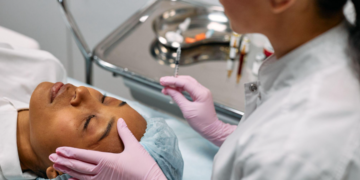
Hair loss is a common concern for both men and women, and surgical interventions such as a Melbourne hair transplant have become a highly effective solution for restoring hair density and confidence. While hair transplant procedures can deliver dramatic results, combining them with adjunctive therapies like exosomes treatment can significantly enhance outcomes, accelerate healing, and improve overall hair quality. Understanding how exosomes work and their role in hair restoration can help patients maximise the benefits of their hair transplant procedures.
Understanding Hair Transplant Procedures
A hair transplant involves relocating hair follicles from donor areas, typically the back or sides of the scalp, to areas affected by thinning or baldness. Common methods include:
- FUE (Follicular Unit Extraction) – Individual follicular units are extracted and transplanted to the recipient area.
- FUT (Follicular Unit Transplantation) – A strip of scalp with hair follicles is removed and dissected into individual grafts for transplantation.
While both procedures are effective in restoring hair, patients may face challenges such as delayed healing, variable graft survival, and initial shedding before regrowth becomes apparent. This is where exosomes treatment can play a complementary role.
What Are Exosomes?
Exosomes are tiny extracellular vesicles derived from stem cells that contain growth factors, proteins, and microRNAs essential for cell communication and tissue repair. In hair restoration, exosomes serve several key functions:
- Stimulating dormant hair follicles
- Promoting cellular regeneration
- Reducing inflammation in the scalp
- Enhancing blood circulation to the transplanted area
By delivering these bioactive molecules directly to the scalp, exosomes create an optimal environment for hair follicles to survive, grow, and thrive.
How Exosomes Enhance Hair Transplant Results
1. Improved Graft Survival
After a hair transplant, the survival of transplanted follicles is crucial for long-term density. Exosomes provide growth factors that strengthen the follicle’s ability to integrate into the scalp, reducing the risk of graft failure and increasing overall yield.
2. Accelerated Healing
Scalp trauma is unavoidable in hair transplant procedures. Exosomes accelerate tissue repair, reduce redness and inflammation, and promote faster recovery, allowing patients to return to normal activities sooner.
3. Stimulating Dormant Follicles
Exosomes have the unique ability to activate dormant follicles in surrounding areas, potentially improving overall hair density beyond the transplanted regions. This is particularly beneficial for patients with thinning hair who want comprehensive coverage.
4. Enhanced Hair Quality
Beyond quantity, exosomes contribute to improved hair thickness, texture, and strength. Hair that grows after exosome-assisted procedures often appears healthier and fuller, enhancing aesthetic outcomes.
The Procedure
Exosomes treatment is typically administered after the hair transplant using microinjections into the scalp. Key steps include:
- Assessment and Planning – The clinician evaluates the transplant site and determines optimal injection points.
- Scalp Preparation – The area is cleansed, and local anaesthesia may be applied for comfort.
- Exosome Delivery – Bioactive exosomes are injected into the scalp at targeted locations.
- Post-Treatment Care – Patients are advised to avoid strenuous activity, excessive sun exposure, and harsh scalp treatments for a short period.
The procedure is minimally invasive and usually takes less than an hour, with minimal discomfort.
Benefits of Combining Exosomes with Hair Transplants
- Higher Success Rate: By promoting follicle survival, exosomes increase the effectiveness of the hair transplant procedure.
- Faster Recovery: Reduced inflammation and accelerated healing help patients resume normal activities sooner.
- Natural Appearance: Enhanced follicle growth and hair thickness result in a more natural and aesthetically pleasing outcome.
- Long-Term Hair Health: Exosomes support the ongoing health of both transplanted and existing hair, reducing the likelihood of future thinning.
Suitability
Most patients undergoing hair transplantation are candidates for exosome treatment, including:
- Individuals with androgenetic alopecia seeking density restoration
- Patients with previous thinning hair looking to maximise transplant results
- Those concerned about slow healing or graft survival
- Patients desiring improved hair quality and thickness
However, suitability should be determined by a qualified clinician who can assess scalp health, hair loss pattern, and individual goals.
Considerations
While exosomes offer significant benefits, patients should be aware of the following:
- Adjunctive Role: Exosomes enhance results but do not replace hair transplantation.
- Multiple Sessions: Some patients may benefit from follow-up exosome treatments to maintain optimal results.
- Expertise Required: Administration must be performed by trained professionals to ensure safety and effectiveness.
- Cost: Exosome therapy adds to the overall cost of the hair restoration plan.
Discussing expectations, potential outcomes, and cost considerations with a hair restoration specialist ensures a well-informed decision.
Choosing a Specialist in Melbourne
Selecting an experienced hair restoration clinic is critical for successful integration of exosome therapy with a Melbourne hair transplant. Look for clinics that offer:
- Certified hair transplant surgeons and trained SMP or exosome practitioners
- Comprehensive assessment and personalised treatment plans
- Proven track record with patient testimonials and before-and-after photos
- Safe, high-quality exosome products and proper storage protocols
A clinic experienced in combining hair transplant techniques with regenerative therapies can provide superior outcomes compared with standard transplantation alone.
Conclusion
Exosomes treatment is a cutting-edge adjunct to hair transplantation that enhances follicle survival, accelerates healing, and improves the quality and density of new hair growth. When combined with a Melbourne hair transplant, it provides a holistic approach to hair restoration, helping patients achieve natural-looking, long-lasting results. By consulting with an experienced specialist, patients can develop a personalised plan that maximises the benefits of both surgical and regenerative treatments, supporting overall hair health and boosting confidence in their appearance.