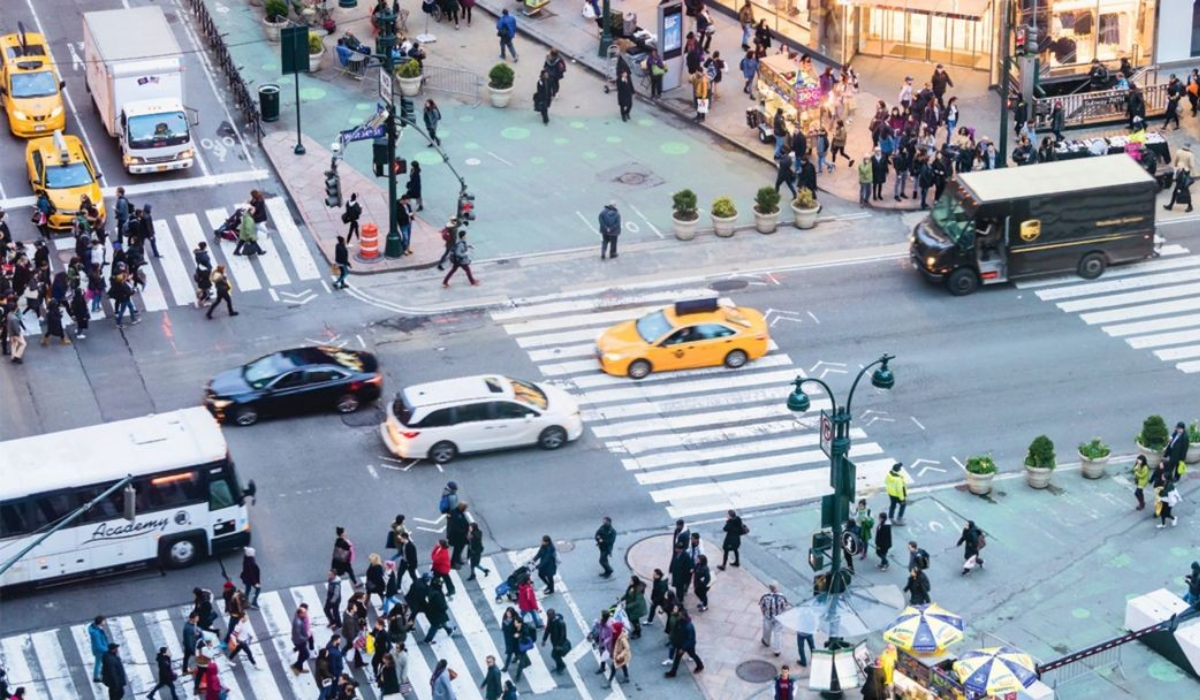
Parking garage access supports how people move through busy urban areas, especially when driving connects with transit or event-based travel. A reserved parking space can reduce time spent searching for parking near high-traffic destinations. Here is more information about the relationship between parking and public transportation:
Advance Reservations
Advance reservations streamline the parking process before a trip even begins. Many parking garage reservation systems let drivers search for available spaces near a destination and secure a spot in advance. Reservations can be hourly or monthly, and time options are often flexible to match different travel schedules. This system verifies that drivers are able to align parking with their planned arrivals and intended routes.
These reservations are especially helpful for visitors unfamiliar with an area. Drivers view garage locations on a map, compare availability, and examine details such as rates, accessibility, and entry points. By choosing a space ahead of time, drivers avoid the hassle of searching in a busy district and will confidently plan the rest of their journey.
For those heading to a business district, office complex, or event venue, having a guaranteed garage space eliminates the need to circle blocks in search of parking. Once the vehicle is secured, travelers continue on foot or via nearby transit options. Travelers are able to complement the use of public transportation by finding a nearby garage.
Monthly Routines
Monthly parking accommodates recurring travel patterns to the same area. Unlike single-use parking, it is also designed for trips that occur regularly throughout the week. Customers manage their accounts online, update payment information, adjust auto-pay settings, and access loyalty programs. This model is useful for commuters who park in the same garage each weekday before walking to an office or connecting to nearby transit, maintaining a consistent travel routine.
Reliability is key for repeat users. Frequent visitors to the same area require access to a reliable parking space. Reserving a monthly spot eliminates the need to search for parking each day, reducing delays in congested areas. It also provides consistent access to nearby transit options, including bus stops, shuttles, and rail lines.
Event Parking
The connection between parking and broader transportation patterns is especially evident during major events. Event parking often involves multiple garages or lots, and some facilities provide options such as self-park, bus parking, and van parking. Because event schedules dictate arrival times, demand for parking is concentrated within a shorter window than typical daily trips.
Timing plays a key role in how parking functions during an event. A garage or lot serves as an arrival point where drivers leave their vehicles before continuing to the event. On-site guidance, including traffic flow plans, signage, and overflow strategies, demonstrates that parking operations are structured to manage higher vehicle volumes during peak periods.
Pedestrian circulation is key to the overall parking and transportation system at events. Guidance addresses access routes, emergency clearance, and movement around ramps, elevators, and drop-off areas; this verifies safety in high-traffic zones. A parking facility functions as part of a coordinated access system that integrates vehicle arrivals with pedestrian flow, enabling a seamless continuation of the trip beyond the garage.
Flexible Access
Many modern parking garages offer flexible access features that accommodate a variety of travel needs. Some garages provide multiple entry and exit points to reduce congestion during peak periods. Others incorporate contactless payment systems or app-based access for faster vehicle entry and exit. Certain facilities include designated areas for rideshare pickup and drop-off, allowing drivers to transition quickly between private vehicles and shared mobility services. By integrating these options, garages support smoother circulation for both drivers and pedestrians, complementing public transit connections and enhancing the overall efficiency of urban travel in areas with high vehicle and foot traffic.
Find a Parking Garage Today
Parking facilities and public transportation systems provide structured access during periods of high travel demand. Features often include drop-off zones near rail stations, automated valet services, and commuter garages with space for oversized vehicles. These facilities offer connections between private vehicles and transit options. In urban areas with dense traffic, such coordination helps make travel patterns more predictable for daily commutes and other trips. Explore a parking garage that supports access to public transportation in busy city locations.