For many Australian businesses in the hospitality and food service industries, keeping a clean and compliant kitchen is a daily priority.
One critical but often overlooked aspect of this process is proper grease trap maintenance.
Regular grease trap cleaning plays a key role in preventing plumbing issues, protecting the environment and guaranteeing businesses meet regulatory requirements.
Whether you operate a café, restaurant or commercial kitchen, comprehending the importance of grease trap cleaning can help you avoid costly interruptions and sustain smooth operations.
What is a grease trap and why does it matter
A grease trap is a plumbing device designed to capture fats, oils and grease before they enter the wastewater system.
These substances, often referred to as FOG, can solidify and cause blockages in pipes if not adequately managed.
In Australian commercial kitchens, grease traps are required to prevent these materials from entering sewer systems.
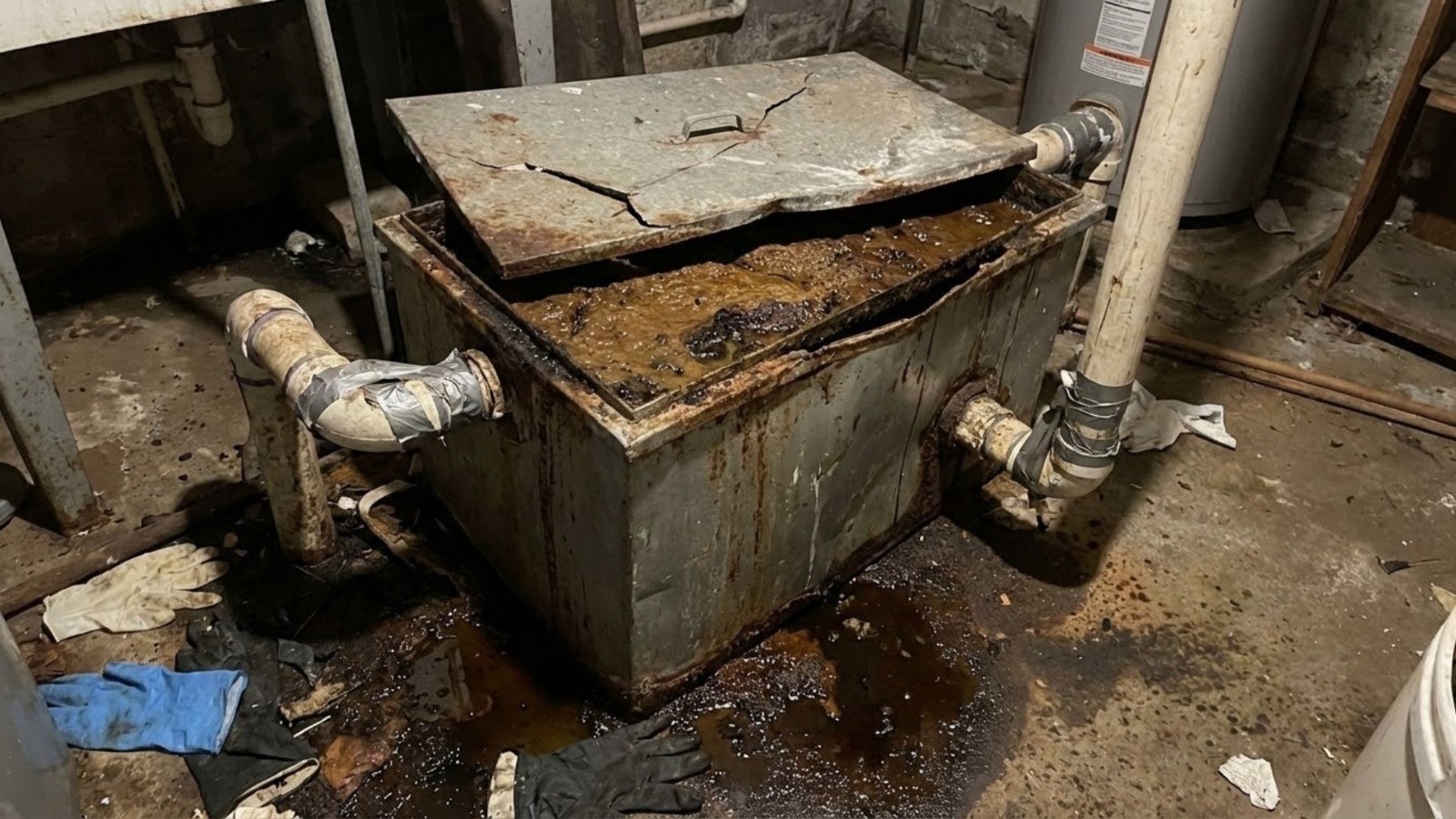
Without regular cleaning, grease traps can become clogged, leading to overflows, unpleasant odours and probable health risks.
The risks of neglecting grease trap maintenance
Failing to maintain a grease trap can have serious consequences for businesses.
When grease accumulates beyond capacity, it can restrict water flow and eventually cause blockages.
This may result in wastewater backing up into sinks or floor drains, creating an unsanitary and disruptive environment.
Overflows can also damage property and equipment, resulting in unexpected repair costs and downtime.
A neglected grease trap can produce strong, unpleasant smells that affect both staff and customers.
In a hospitality setting, this can harm your reputation and modify the overall dining experience.
Keeping a clean grease trap helps guarantee a more hygienic and comfortable surroundings for everyone on site.
How grease trap cleaning maintains compliance
Australian businesses are required to comply with local water authority and environmental regulations regarding wastewater management.
Grease traps play a central role in meeting these requirements.
Regular grease trap cleaning makes certain that your system works effectively and within permissible limits.
Many councils and water authorities require routine maintenance and may conduct inspections to confirm compliance.
Not meeting these standards can result in fines or restrictions on business operations.
Professional grease trap cleaning services usually provide records of maintenance, which can be useful during inspections or audits.
Keeping accurate documentation demonstrates that your business is taking the necessary steps to manage waste responsibly.
Improving operational capability in commercial kitchens
A well maintained grease trap helps the overall efficiency of a commercial kitchen.
Blocked or overflowing grease traps can force businesses to temporarily close while issues are resolved.
This can lead to lost revenue and inconvenience for customers.
Regular cleaning lowers the chance of these problems, allowing your kitchen to operate smoothly and consistently.
When plumbing systems function properly, staff can concentrate on their tasks without dealing with unexpected maintenance issues.
This creates a more productive and less tense working environment.
Environmental benefits of proper grease trap cleaning
Accountable waste management is an important consideration for Australian businesses, notably in industries that produce large amounts of grease and food waste.
When grease enters the sewer network, it can contribute to large scale blockages that affect entire communities.
These blockages are costly to remove and can lead to environmental contamination.
Grease trap cleaning helps prevent these issues by capturing and removing FOG before it enters the system.
Proper disposal of grease and waste materials allows them to be processed or recycled where possible.
This supports wider sustainability efforts and helps businesses lower their environmental footprint.
Choosing a professional grease trap cleaning service
Working with a reliable service provider assures that grease traps are cleaned thoroughly and in accordance with Australian standards.
Experienced technicians understand how to manage waste safely and efficiently, reducing risks for your business.
For professional services and more information, visit Emergency Spill response at and see how expert support can keep your operations functioning seamlessly.
How often should grease traps be cleaned
The frequency of grease trap cleaning depends on the size of the trap and the volume of waste generated.
High volume kitchens may require more frequent servicing, while smaller operations may follow a less intensive schedule.
A professional provider can assess your needs and recommend a maintenance plan that secures optimal performance and compliance.
A forward-looking approach to business maintenance
Regular grease trap cleaning is not primarily about avoiding problems. It is a preventive action that supports safety, regulatory compliance and efficiency across your business.
By prioritising maintenance, Australian businesses are able to reduce risks, protect their reputation and create a better environment for staff and customers.
Conclusion
Appreciating the importance of grease trap cleaning helps businesses make well-informed decisions about their operations.
From preventing blockages and odours to supporting compliance and environmental accountability, regular maintenance delivers clear benefits.
By partnering with a trusted provider and keeping a consistent cleaning schedule, businesses are able to ensure their grease traps perform effectively and support long term success.