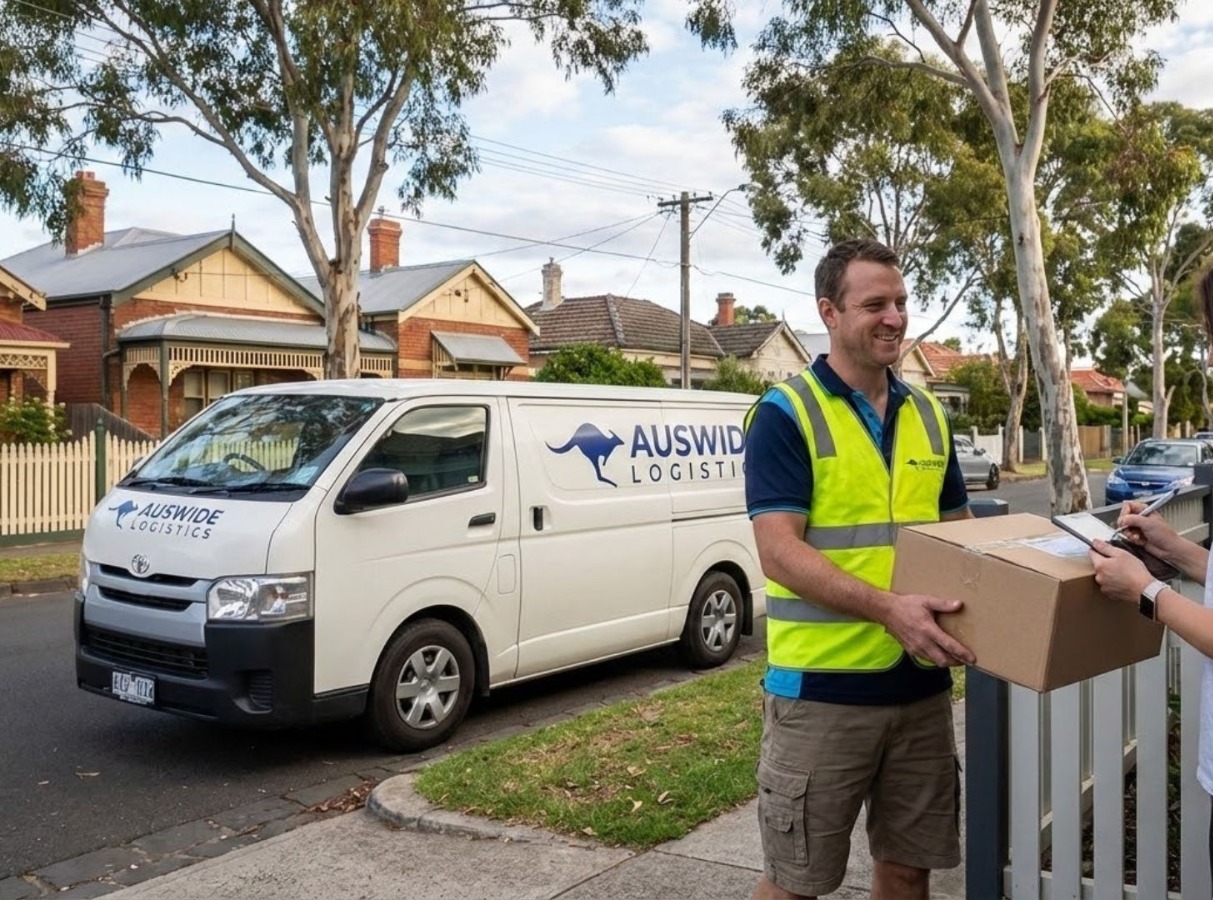
Same day delivery is no longer limited to local metro areas. As customer expectations continue to evolve, many Australian businesses are exploring how to extend fast fulfilment beyond city boundaries.
Expanding into more extensive regions, including interstate routes, can create new revenue opportunities, but it also introduces added complexity.
For businesses considering options like same day interstate services, success depends on managing speed with operational control.
Understanding the challenges and building the right systems early can make expansion both achievable and sustainable.
The growing call for faster delivery
Australian consumers increasingly expect flexible delivery options that match their schedules.
While same day delivery within cities has become more common, demand is now extending to customers who want rapid delivery across state lines.
This shift is driven by ecommerce growth, rising competition and the influence of large retailers defining new standards.
Businesses that can meet these expectations stand to achieve a competitive edge, specifically in sectors where urgency plays a key role in purchasing decisions.
The complexity of interstate same day delivery
Australia’s size makes interstate same day delivery far more complex than local fulfilment.
Deliveries will commonly rely on a combination of road and air transport, with tight coordination required between multiple carriers and hubs.
Delays in any part of the chain can affect the final delivery window. Weather conditions, flight schedules and road congestion all introduce variables that businesses must plan for.
To achieve same day interstate delivery, orders must be processed quickly and handed off within strict timeframes. This places pressure on internal operations to pick, pack and dispatch with minimal hold-up.
Cut off times need to reflect real world constraints, including logistics schedules and handling times. Setting unrealistic expectations can bring about missed deliveries and dissatisfied customers.
Building the right fulfilment network
Expanding same day delivery across Australia often requires rethinking inventory strategy. Relying on a single warehouse limits flexibility and increases transit times.
Distributing stock across multiple locations, chiefly near major airports or transport hubs, can improve speed and reliability.
Store based fulfilment is another option for businesses with a retail footprint. Using stores as mini distribution centres allows orders to be dispatched closer to customers, cutting reliance on long distance transport.
Choosing the right logistics partners is critical. Interstate same day delivery requires couriers with established networks, strong coordination capabilities and experience handling time sensitive shipments.
Working with partners that offer integrated tracking and communication tools improves visibility across the delivery journey. This helps businesses manage exceptions and keep customers informed.
Handling costs without losing competitiveness
Interstate same day delivery is more expensive than local services due to transport, handling and coordination requirements. Air freight, in particular, might considerably increase costs.
Businesses need to understand these cost drivers in detail. Devoid of clear visibility, it becomes difficult to price services effectively or determine areas for optimisation.
Charging customers for premium delivery is common in the Australian market, especially when speed provides clear value.
Positioning same day interstate delivery as an optional upgrade helps retain profitability while still granting flexibility.
Some businesses choose to subsidise costs for high value orders or loyal customers. This approach can drive repeat purchases, but it should be prudently managed to avoid long term margin erosion.
Technology as a foundation for scale
Customers expect transparency when choosing same day delivery. Providing real time tracking and accurate delivery estimates builds confidence and reduces support enquiries.
Internally, visibility across inventory, orders and transport status lets businesses make faster decisions.
This is particularly important when coordinating interstate deliveries where multiple touchpoints are involved.
Automation helps reduce delays and errors in high speed fulfilment environments. From order routing to label generation, refined processes improve both quickness and accuracy.
Scalable systems are essential as order volumes grow. Businesses should ensure their technology can handle peak demand without harming performance.
Delivering a consistent customer experience
Fast delivery alone is not enough. Customers judge the entire experience, from checkout to final delivery. Clear communication, accurate timeframes and reliable service all contribute to satisfaction.
When delays occur, updates can have a significant impact. Customers are generally understanding when issues are communicated early and openly.
Consistency is critical. Offering same day interstate delivery only works if it can be delivered reliably across several locations and conditions.
Planning for long term success
Expanding same day delivery beyond local markets is a tactical move that necessitates careful planning. Businesses ought to align operations, technology and partnerships to support the added complexity.
Starting with key routes or high demand regions allows for controlled growth. Testing and refining processes ahead of scaling further reduces risk and improves outcomes.
For Australian businesses ready to invest in fast fulfilment, same day interstate delivery represents a powerful opportunity.
Using the right approach, it can promote growth, strengthen customer relationships and position a brand as an authority in ease and dependability.